Preventing Accidents with Stairs and Balconies for Dogs
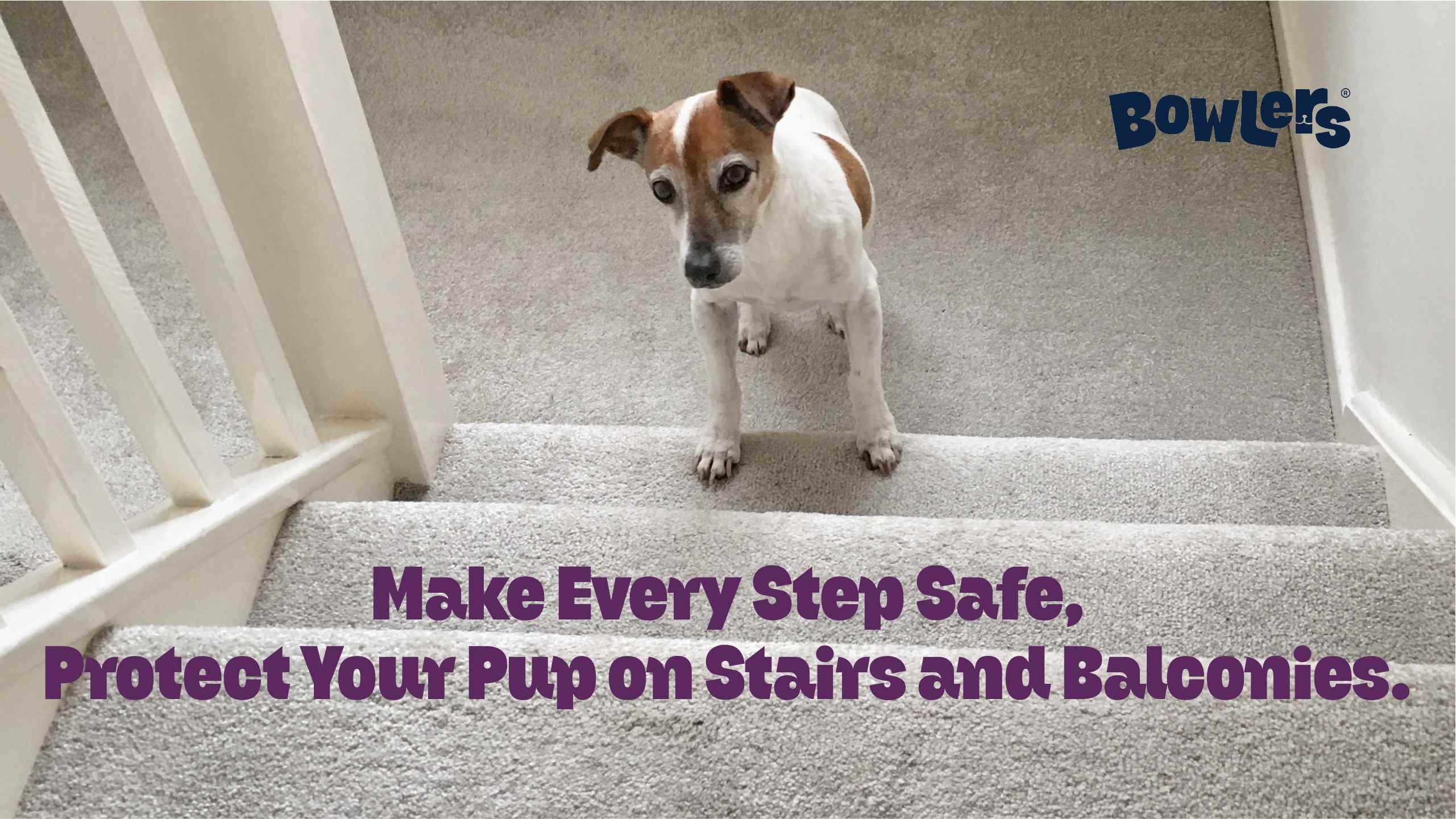
Table of contents
- Why Stair and Balcony Safety Matters for Dogs
- Start With the Basics: Observation and Awareness
- Stair Safety: Small Adjustments, Big Difference
- Balcony Safety: Secure the Space for Peace of Mind
- Create Safe Habits Indoors and Outdoors
- What to Do If an Accident Happens
- Integrate Balcony and Stair Safety Into Overall Home Protection
- Final Thoughts: Safety Starts With Awareness
- FAQs on Preventing Stair and Balcony Accidents in Dogs
- How can I make my stairs safe for my dog?
- What’s the safest barrier for balconies?
- Can I leave my dog alone on the balcony?
- My dog is afraid of stairs, what should I do?
- Does diet help prevent accidents?
Stairs and balconies add beauty and function to a home, but for dogs, they can also become accident zones if not managed carefully.
Whether you live in a multi-story house or an apartment with an open terrace, simple safety precautions can prevent serious injuries and make your space more dog-friendly.
Dogs are naturally curious, active, and sometimes impulsive. A quick chase after a toy, an excited jump toward a bird, or even a slippery step can lead to falls or injuries. Understanding how to make stairways and balconies safer not only protects your furry friend but also gives you peace of mind that your home supports their safety at every step.
Why Stair and Balcony Safety Matters for Dogs
Many pet parents don’t realize how often dogs get hurt on stairs and balconies. Puppies and senior dogs are especially at risk young ones because of inexperience and older ones due to weaker joints or poor vision. Even agile adult dogs can slip or misjudge distances when running or playing.
Accidents can range from sprains and bruises to severe fractures and head injuries. Balconies, in particular, can be dangerous if the railings are spaced too wide or the flooring is slick. Keeping these areas secure is a vital part of overall home safety for dogs, along with practices like electrical cord and appliance safety and dog-proofing each room.
Start With the Basics: Observation and Awareness
The first step in prevention is understanding your dog’s habits. Watch how they move around the house, do they race up and down the stairs? Do they try to peek through balcony gaps or jump up to look over railings? Recognizing these tendencies helps you decide what kind of safety measures are needed.
A few key points to assess include:
- Speed and confidence: Does your dog take stairs too quickly or hesitate at the edges?
- Grip and stability: Are your stairs slippery or too steep?
- Access control: Can your dog reach the balcony unsupervised?
Once you know these details, you can start making targeted changes that protect your pet every day.
Stair Safety: Small Adjustments, Big Difference
Add Non-Slip Traction
Smooth tiles, marble, or polished wood can cause dogs to lose grip. Add non-slip stair treads or rubber mats to give your dog better grip. These simple add-ons help prevent slips, especially for breeds with shorter legs or senior dogs with joint issues.
Use Baby Gates or Barriers
If your dog tends to rush up or down unsupervised, install baby gates at the top and bottom of the staircase. This is particularly important for puppies learning to navigate steps or dogs recovering from injury. A sturdy gate can prevent accidents before they happen.
Keep Steps Clutter-Free
Avoid leaving shoes, toys, or laundry on stairs. Dogs don’t always see small items in their path, and tripping hazards can cause them to tumble. Make a habit of keeping stairways clear.
Provide Proper Lighting
Dim staircases are risky for both people and pets. Install adequate lighting so your dog can see where each step begins and ends, especially during nighttime movement.
Train for Safe Movement
Teach your dog basic commands like “Wait” and “Slow.” Practice walking up and down the stairs together at a calm pace. Positive reinforcement helps them associate stairs with patience rather than play.
Balcony Safety: Secure the Space for Peace of Mind
Install Railing Guards or Screens
If your balcony has wide gaps, your dog may try to poke their head or paw through — a serious hazard for small or medium-sized breeds. Install plexiglass panels, wire mesh, or bamboo screens to close the gaps safely without blocking the view.
Avoid Climbable Furniture
Dogs love high vantage points. Keep chairs, tables, or boxes away from balcony edges where they might try to jump or climb. Even a small misstep can lead to a fall.
Watch Out for Gaps Under Railings
Small breeds can sometimes slip under balcony rails. Use sturdy barriers or weatherproof boards at the base to eliminate that risk.
Add a Soft Surface
Concrete or tile balconies can get slippery when wet. Place outdoor rugs or rubber mats that give your dog better footing and make the space comfortable for lounging.
Supervise Balcony Time
Never leave dogs unattended on a balcony. Even the best safety setup isn’t foolproof. Supervision ensures your dog doesn’t chew on plants, jump toward birds, or react unpredictably to outdoor sounds.
Create Safe Habits Indoors and Outdoors
Your dog’s environment should encourage calm behavior around elevated spaces. To make safety a natural part of their daily life:
- Keep toys and play sessions away from stairs and balcony areas.
- Use verbal cues like “Stay” when opening balcony doors.
- Providing enrichment elsewhere puzzle feeders or safe chew toys can reduce restless energy.
- Combine safety with good nutrition. A healthy, balanced diet from Bowlers Dog Food supports joint health, digestion and healthy coat, and muscle strength, helping dogs move more confidently around the home.
What to Do If an Accident Happens
Despite precautions, slips or tumbles can occur. If your dog falls from a height or down a flight of stairs:
- Stay calm and assess injuries. Don’t move your dog immediately if they seem hurt.
- Look for signs of pain or trauma limping, whimpering, swelling, or difficulty standing.
- Contact your veterinarian right away. Even minor falls can cause internal injuries that aren’t visible.
- Avoid giving human medication. Only use treatments prescribed by your vet.
Quick, calm action and professional care can prevent a bad situation from getting worse.
Integrate Balcony and Stair Safety Into Overall Home Protection
Protecting stairs and balconies is part of a bigger safety picture. Once these areas are secure, consider exploring other aspects of dog home safety to build a truly protected environment:
- How to Dog-Proof Your Home Room by Room- tips for managing hazards in living rooms, kitchens, and bedrooms.
- Common Household Items That Are Toxic to Dogs- everyday products to keep out of reach.
- Electrical Cord and Appliance Safety for Dogs- preventing shocks and burns from home electronics.
- How to Create a Safe Backyard for Dogs to Play- outdoor setups for playtime without risk.
Know about Home Safety Tips to Keep Your Dog Safe Indoors and Outdoors- helping you create a safer, happier home for your pet at every level.
Final Thoughts: Safety Starts With Awareness
Accidents around stairs and balconies often happen in seconds but most can be prevented with a little planning and awareness. Secure railings, use non-slip mats, block unsupervised access, and supervise your dog whenever they’re exploring elevated spaces.
A few small adjustments can make a big difference in your pet’s wellbeing. Combine these physical safeguards with emotional care, daily exercise, and balanced nutrition from Bowlers, and your dog will enjoy a safe, confident, and happy life at home.
FAQs on Preventing Stair and Balcony Accidents in Dogs
How can I make my stairs safe for my dog?
Use non-slip mats or traction strips, keep the area well-lit, and remove clutter. You can also use baby gates to prevent unsupervised access, especially for puppies or older dogs.
What’s the safest barrier for balconies?
Install mesh, plexiglass, or metal screens to cover railing gaps. Avoid furniture near railings that dogs might climb on.
Can I leave my dog alone on the balcony?
It’s best not to. Dogs can be unpredictable and may jump or slip even if barriers are in place. Always supervise outdoor time.
My dog is afraid of stairs, what should I do?
Start with short training sessions, encourage them with treats, and go slowly. Avoid forcing them; instead, build confidence gradually.
Does diet help prevent accidents?
Yes. Proper nutrition from high-quality food like Bowlers Dog Food strengthens muscles, joints, and alertness, helping your dog maintain balance and coordination.