Best Dog Collars and Harnesses for Safety and Comfort
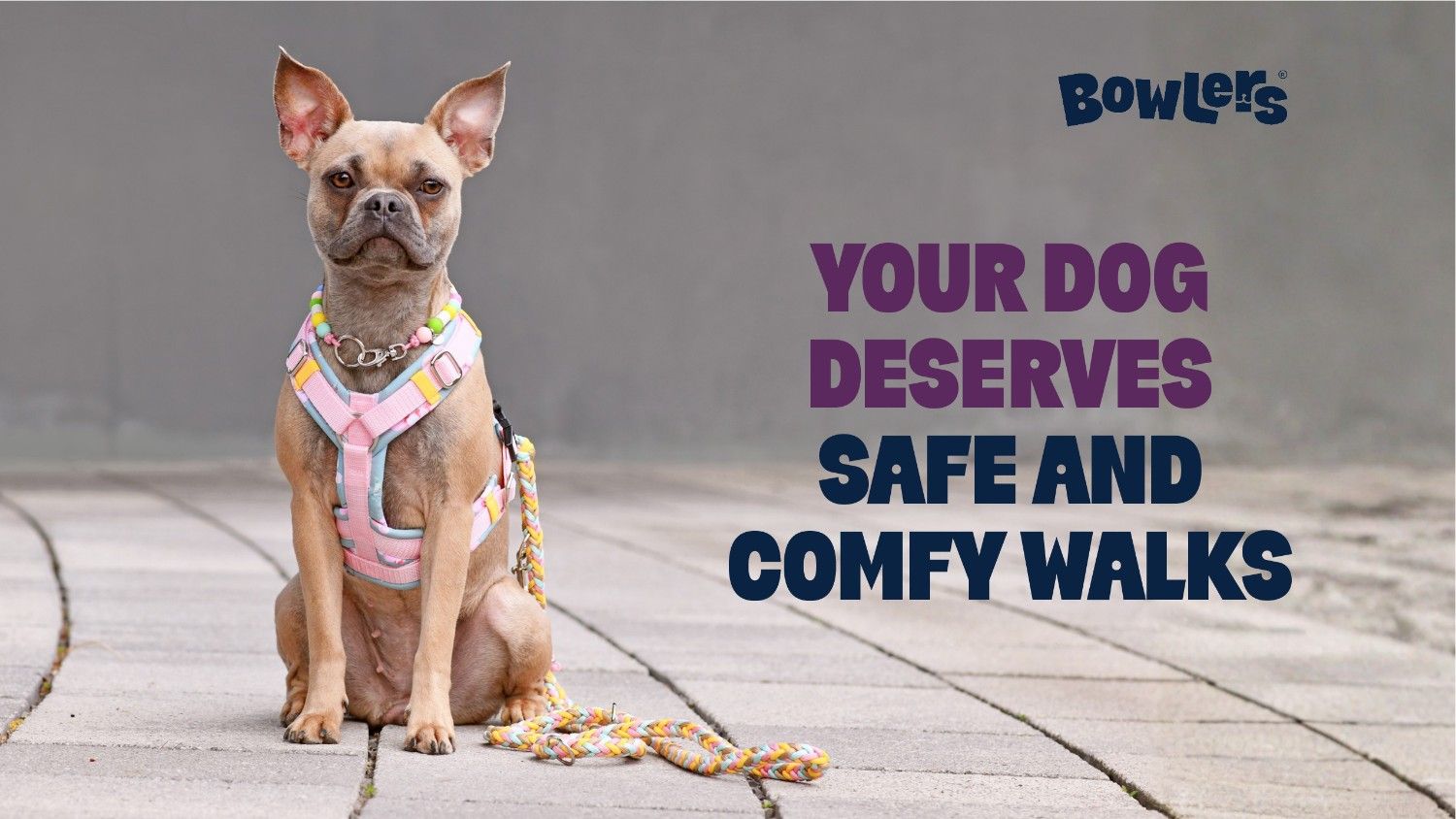
Table of contents
- Understanding Collars: Simple, Classic, Effective
- 2. Harnesses: Built for Safety and Comfort
- 3. Collar vs Harness: How to Decide
- 4. Materials Matter More Than Looks
- 5. Sizing Tips for Indian Breeds and Indies
- 6. Training Your Dog to Enjoy the Gear
- 7. Maintenance and Hygiene
- 8. Common Mistakes Pet Parents Make
- 9. How Bowlers Supports Active Dogs
- Final Thoughts
Walk time is a language dogs understand better than words. The jingle of a leash can turn even the sleepiest pup into a dancing comet of joy. But that excitement needs the right support. Choosing the best dog collars is not just about style. It shapes your dog’s comfort, posture, and safety on every outing.
Many pet parents feel torn in the debate of collar vs harness. The truth is that both have a place, depending on your dog’s age, breed, and walking habits. This guide helps you navigate the world of dog walking gear so every stroll feels easy on your hands and gentle on your dog’s body.
If you are setting up your first kit, start with our parent guide “Essential Dog Accessories Every Pet Owner Needs,” which covers all foundational items beyond walking gear.
Understanding Collars: Simple, Classic, Effective
Collars are the most common choice for everyday use. They can hold ID tags, help with quick control, and suit dogs that walk calmly on leash.
When collars work best
- Dogs that do not pull
- Short neighbourhood walks
- Holding dog ID tags for identification
- Training older, well-mannered pets
What to look for
- Soft padded inner lining
- Adjustable buckle
- Lightweight material
- Reflective stitching for night walks
A poorly fitted collar can cause strain on the neck, especially for energetic breeds.
Before selecting any collar, ensure that two fingers can slide comfortably between the collar and your dog’s skin. This simple rule keeps collars among the most reliable best dog gear choices.
2. Harnesses: Built for Safety and Comfort
For many dogs, a comfortable harness dogs can wear daily is the better option. Harnesses distribute pressure across the chest instead of the neck, making them ideal for pullers and puppies.
Benefits of a safe dog harness
- Reduces choking risk
- Better control in traffic
- Suitable for long walks
- Helpful for senior dogs with sensitive necks
Front-clip harnesses discourage pulling, while back-clip designs suit relaxed walkers. Breathable mesh works well as a safe dog harness in Indian summers, preventing heat buildup during afternoon strolls.
For pet parents planning road trips, pair your harness with travel equipment from our blog “Travel Carriers and Crates to Keep Dogs Secure on Trips.”
3. Collar vs Harness: How to Decide
The choice of collar vs harness depends on your dog’s personality more than fashion.
Choose a collar if your dog:
- Walks without pulling
- Is fully trained on leash
- Needs something lightweight at home
- Only requires a holder for ID tags
Choose a harness if your dog:
- Pulls or lunges
- Has breathing issues
- Is a puppy learning leash manners
- Belongs to small or flat-faced breeds
Many pet parents keep both and switch according to the situation. Morning training may need a harness, while a quick evening stroll may only require a collar.
4. Materials Matter More Than Looks
Pretty prints fade, but quality keeps your dog comfortable for years. When shopping for dog walking gear, focus on materials first. Neoprene padding and Nylon is usually considered the most comfortable choice for most dogs. However, based on the dog’s breed, needs, weather, and availability, you can choose any of the following popular materials:
- Nylon: durable and affordable
- Leather: softens over time, long lasting
- Mesh: breathable for hot climates
- Neoprene padding: offers optimal comfort and prevents chafing
Always check stitching and metal ring quality. Weak hardware can snap during sudden pulls, turning a peaceful walk into panic.
5. Sizing Tips for Indian Breeds and Indies
India is home to diverse dogs, from tiny Spitz to strong Indies. Measure the neck and chest before buying. Each brand follows different charts.
- Small dogs: lightweight buckles
- Medium dogs: padded straps
- Large breeds: wide bands for pressure distribution
Puppies grow fast, so adjustable straps save money and keep fittings safe.
6. Training Your Dog to Enjoy the Gear
Even the best dog collars feel strange at first. Introduce gear slowly.
- Let your dog sniff the harness
- Reward with treats
- Practice indoors
- Keep first walks short
Pairing positive experiences with treats from Bowlers after walks builds happy associations. Good food and gentle gear together create confident dogs.
7. Maintenance and Hygiene
Sweat, dust, and rain can weaken straps. Wash fabric harnesses weekly and wipe leather collars with a damp cloth. Replace frayed items immediately. Clean gear protects your dog’s skin and keeps walks pleasant.
For overall wellbeing, combine clean accessories with healthy feeding habits from our guide “Must-Have Feeding Bowls and Water Dispensers for Dogs.”
8. Common Mistakes Pet Parents Make
- Buying based only on colour
- Using collars for heavy pullers
- Ignoring reflective features
- Keeping the same size for growing pups
Avoid these pitfalls and your pet owner accessories will truly serve their purpose.
9. How Bowlers Supports Active Dogs
Active walks deserve nutrition that matches the energy spent. Bowlers dog food provides balanced protein, good immunity and healthy digestion, helping dogs stay strong whether they walk in a collar or a harness. The right fuel makes every step lighter and every day brighter.
Final Thoughts
There is no single winner in the collar or harness debate. The best choice is the one that respects your dog’s body and behaviour. Invest in quality, check the fit often, and let comfort guide your decision. And whichever you choose, pair it with the Bowlers’ Everyday Dog Leash (coming soon!) for effortless daily walks!