Pomeranian: Life With This Lively Toy Breed
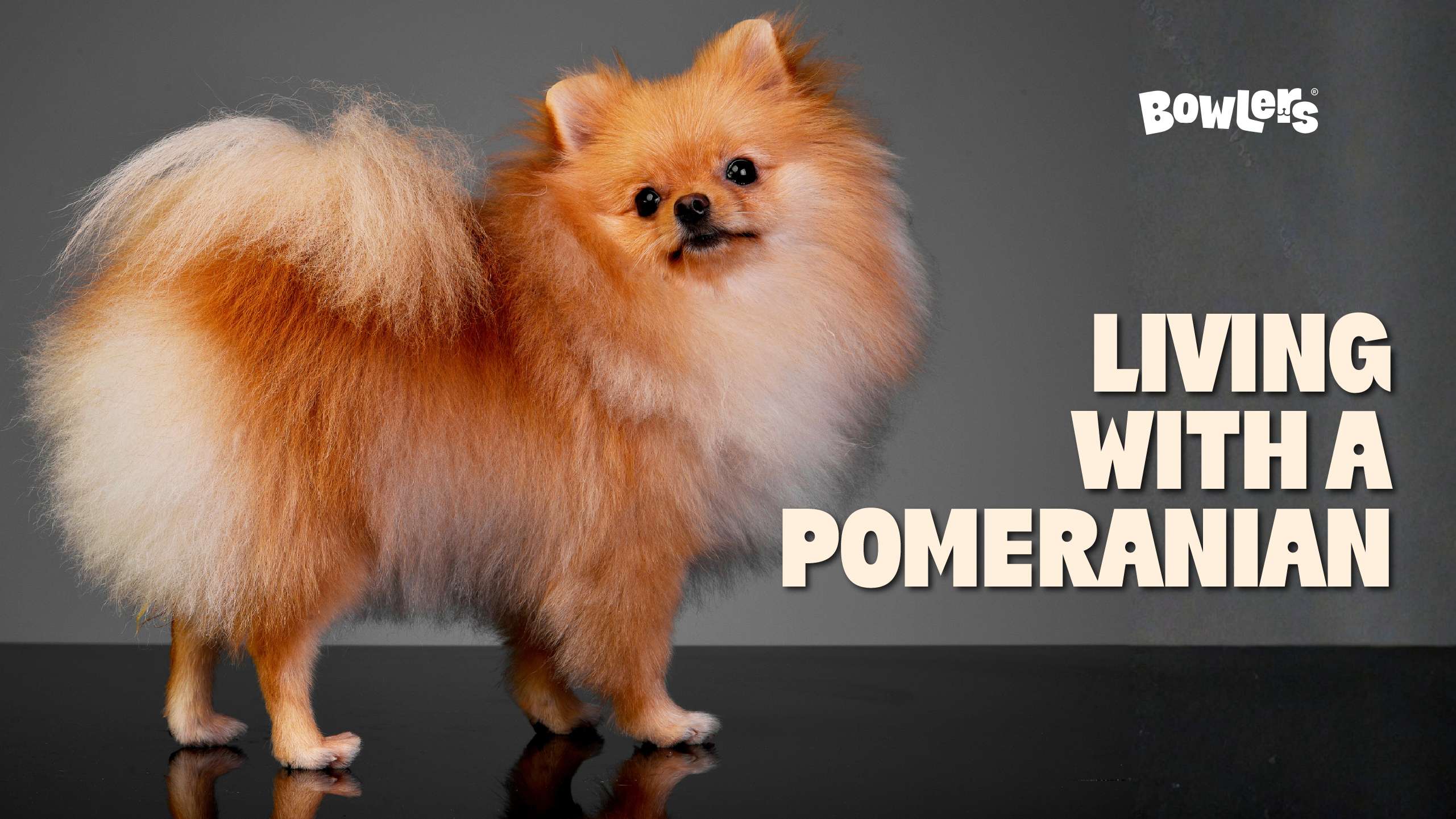
Table of contents
- 1. Pomeranian Origins: Royal Roots in a Small Body
- 2. Personality: Confident, Curious, and Full of Attitude
- 3. Exercise & Mental Stimulation: Small Dog, Real Energy
- 4. Apartment Living & Lifestyle Compatibility
- 5. Grooming Needs: That Fluffy Coat Comes With Responsibility
- 6. Diet & Nutrition: Feeding a Tiny but Active Body
- 7. Health Considerations in Pomeranians
- 8. Training a Pomeranian: Smart, But Needs Structure
- 9. Is a Pomeranian Right for You?
- Frequently Asked Questions About Golden Retrievers
Small in size but overflowing with confidence, the Pomeranian is proof that great personalities often come in tiny packages.
With their fluffy double coat, fox like face, and alert expression, Pomeranians have become one of the most popular toy breeds among urban pet parents. Don’t let their size fool you; these dogs are energetic, intelligent, and surprisingly bold.
As part of Bowlers’ series on Popular Dog Breeds and Their Unique Characteristics, this guide explores the Pomeranian’s temperament, grooming and health needs, lifestyle suitability, and how this tiny companion compares with popular breeds like the Labrador Retriever, German Shepherd, Golden Retriever, French Bulldog, Beagle, and Siberian Husky. Whether you’re a first-time dog parent or considering a small breed for city living, this guide will help you decide if a Pom is right for you.
1. Pomeranian Origins: Royal Roots in a Small Body
The Pomeranian traces its ancestry to large Arctic sled dogs from the Spitz family. Over time, selective breeding in Europe especially under the patronage of Queen Victoria reduced their size while preserving their alertness and intelligence.
This heritage explains why Pomeranians:
- Are highly alert and watchful
- Possess strong vocal tendencies
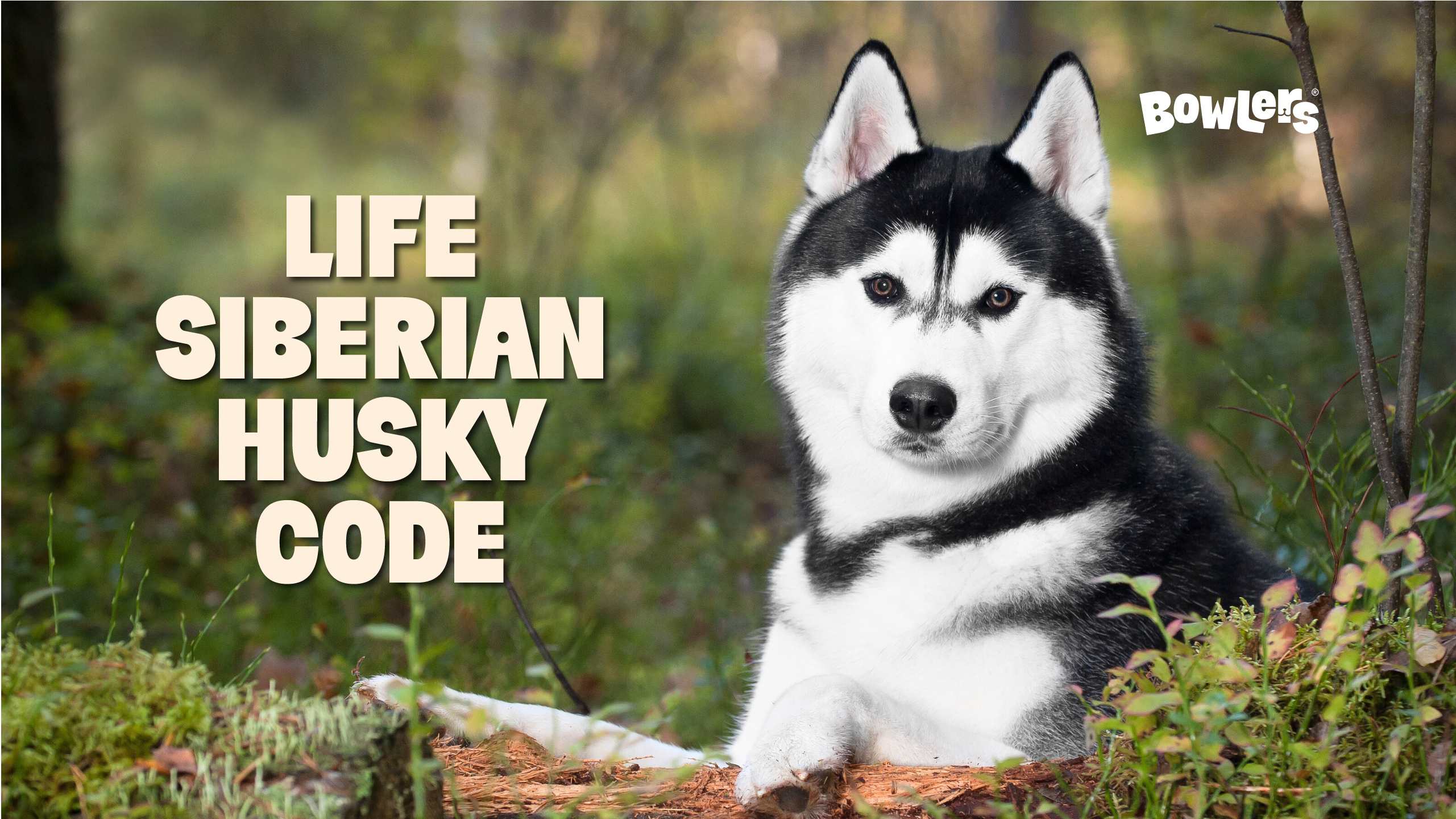
- Have thick double coats similar in structure (though not size) to breeds like the Siberian Husky
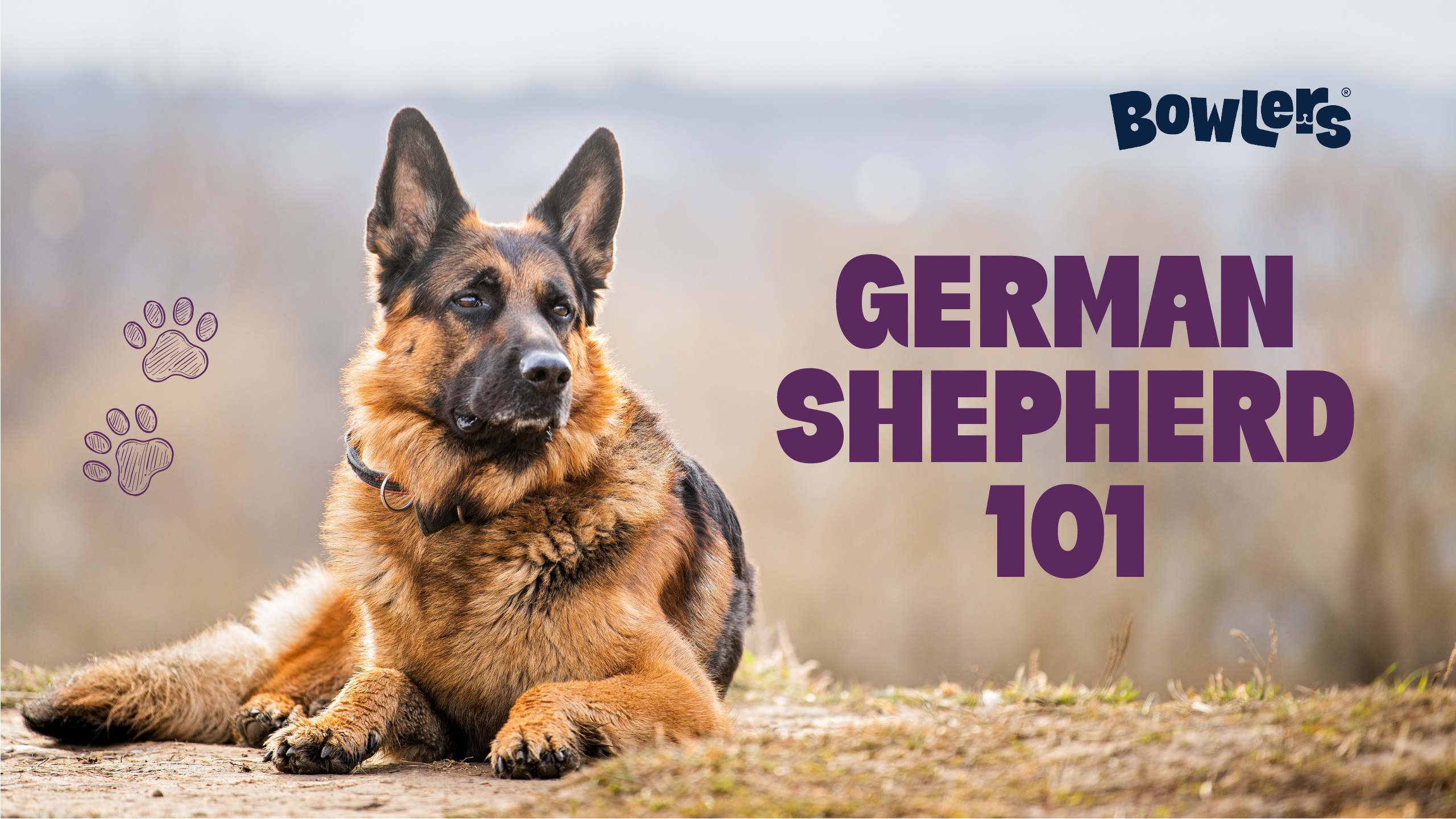
Unlike working breeds such as German Shepherds or Huskies, Pomeranians were refined primarily for companionship but they retained their sharp minds and lively spirit.
2. Personality: Confident, Curious, and Full of Attitude
One of the most defining traits of the Pomeranian is confidence. They often behave as if they’re ten times their actual size.
Key personality traits
- Bold and fearless
Poms don’t realize they’re small. They’ll happily challenge dogs much larger than themselves, including Labradors or Golden Retrievers. - Affectionate but selective
They bond deeply with their family and may be reserved with strangers. - Highly intelligent
Pomeranians are quick learners, often ranking higher in trainability than breeds like the French Bulldog. - Vocal watchdogs
They bark to alert, making them excellent little watchdogs unlike Beagles, who are more scent-focused than alert-driven.
Compared to easygoing family breeds like Labrador Retrievers or Golden Retrievers, Pomeranians are more opinionated and expressive, making them ideal for owners who enjoy an interactive companion.
3. Exercise & Mental Stimulation: Small Dog, Real Energy
While they don’t need long runs or intense workouts, Pomeranians are not lap dogs all day long.
Daily activity needs
- 30–45 minutes of light exercise
- Short walks, indoor play, and interactive games
- Mental stimulation through training and toys
They require far less physical exertion than a Siberian Husky or German Shepherd, but more engagement than many people expect from a toy breed.
Without mental stimulation, Pomeranians can develop:
- Excessive barking
- Separation anxiety
- Destructive habits
4. Apartment Living & Lifestyle Compatibility
Pomeranians are exceptionally well-suited for apartment and city living, which is why they’re so popular in urban households.
Why Poms thrive in small spaces
- Compact size
- Adaptable energy levels
- Indoor play satisfies most activity needs
Compared to space-demanding breeds like Labradors, Golden Retrievers, or Huskies, Pomeranians are easier to manage in apartments. They’re also more active and playful indoors than French Bulldogs, who prefer lounging.
However, their vocal nature means early training is important to manage barking especially in shared living spaces.
5. Grooming Needs: That Fluffy Coat Comes With Responsibility
The Pomeranian’s signature fluffy appearance comes from its dense double coat, which requires consistent care.
Grooming essentials
- Brushing 3–4 times a week to prevent matting
- Daily brushing during shedding seasons
- Bathing every 3–4 weeks
- Regular trimming around paws and hygiene areas
Compared to:
- Golden Retrievers – less coat length but similar shedding cycles
- Beagles – far lower grooming needs
- Huskies – similar coat structure, but much higher shedding volume
Good nutrition plays a major role in coat health, making high-quality pet food essential for maintaining shine and skin condition.
6. Diet & Nutrition: Feeding a Tiny but Active Body
Pomeranians may be small, but their metabolism is fast. They need nutrient-dense food that supports energy, coat health, and dental care.
Feeding tips
- Small, frequent meals
- Protein-rich formulations
- Ingredients that support skin and coat
- Controlled portions to avoid obesity
Because toy breeds are prone to dental issues, dry food textures and proper nutrition matter. Many pet parents prefer to buy dog food online to ensure consistent quality and breed-appropriate nutrition, especially for small dogs with specific needs.
7. Health Considerations in Pomeranians
Pomeranians are generally healthy but can be prone to certain breed-specific issues.
Common health concerns
- Dental problems
- Patellar luxation (knee joint issues)
- Tracheal collapse
- Hypoglycaemia in puppies
- Alopecia X (coat thinning in some bloodlines)
Compared to:
- French Bulldogs, who face breathing challenges
- German Shepherds, prone to hip and spine issues
- Beagles, who struggle more with weight gain
Pomeranians require proactive care, routine vet visits, and a balanced diet to thrive long-term.
8. Training a Pomeranian: Smart, But Needs Structure
Pomeranians are intelligent and enjoy learning but they can also be stubborn.
Training tips
- Start early with socialization
- Use positive reinforcement
- Keep sessions short and engaging
- Be consistent with boundaries
They often outperform larger breeds in obedience games, but without training, their confidence can turn into bossy behavior.
9. Is a Pomeranian Right for You?
A Pomeranian is a great choice if you’re looking for:
- A small, expressive companion
- A dog suited for apartments
- A breed that thrives on attention and bonding
They may not be ideal for:
- Homes with very young children
- People seeking a low-bark breed
- Owners unwilling to commit to grooming
Frequently Asked Questions About Golden Retrievers
1. Are Pomeranians good for first-time dog owners?
Yes, with proper training and grooming commitment.
2. Do Pomeranians bark a lot?
They can be vocal, but training helps manage excessive barking.
3. Are Pomeranians good apartment dogs?
Absolutely. They adapt well to small living spaces.
4. How much exercise does a Pomeranian need?
About 30–45 minutes daily.
5. Do Pomeranians shed a lot?
Yes, especially during seasonal coat changes.