Meet the Indie Dog: India’s Healthiest, Smartest Companion
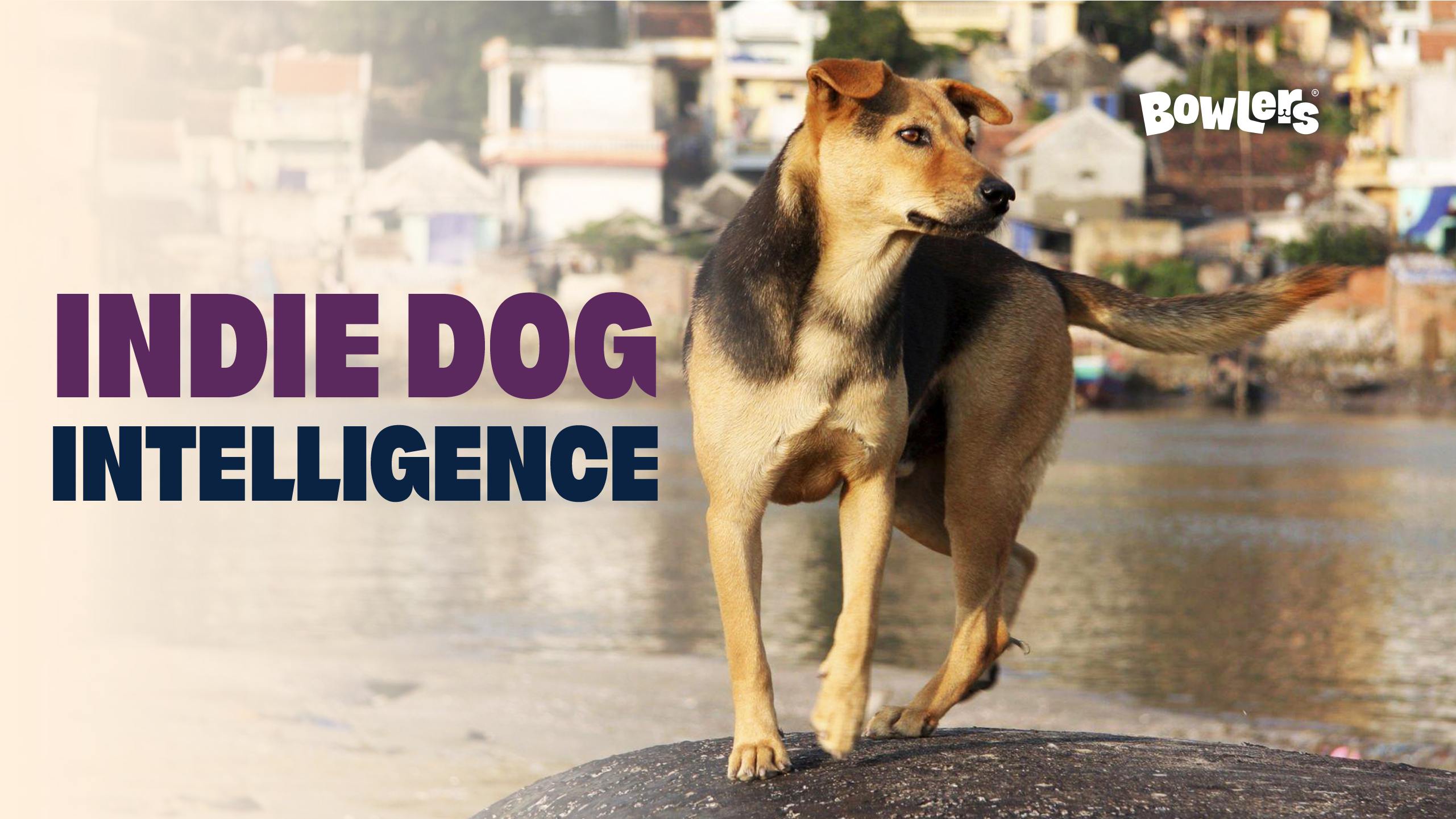
Table of contents
- 1. Origins of the Indie: Nature’s Perfect Design
- 2. Personality: Intelligent, Loyal, and Emotionally Aware
- 3. Trainability: Smart, Responsive, and Practical
- 4. Exercise & Lifestyle Needs: Naturally Well-Balanced
- 5. Diet & Nutrition: Simple, Wholesome, and Balanced
- 6. Grooming Needs: Low Maintenance by Design
- 7. Health Strengths: Built for Indian Conditions
- 8. Indie Dogs as Family Companions
- 9. Indie vs Pedigree Breeds: A Practical Comparison
- FAQs
India’s native dogs, lovingly called Indies, are among the most intelligent, resilient, and emotionally perceptive companions a pet parent can have. Often misunderstood and overlooked, Indies are not a “breed” created by selective breeding, but a naturally evolved population that has thrived for thousands of years across the Indian subcontinent.
As part of Bowlers’ series on Popular Dog Breeds and Their Unique Characteristics, this guide explores the Indie dog’s personality, health advantages, lifestyle adaptability, and how it compares with popular pedigree breeds like Labrador Retrievers, German Shepherds, Golden Retrievers, French Bulldogs, Beagles, Siberian Huskies, and Pomeranians.
If you’re considering adopting a dog that is low-maintenance, loyal, and perfectly suited to Indian conditions, the Indie deserves serious consideration.
1. Origins of the Indie: Nature’s Perfect Design
Unlike pedigree dogs that were selectively bred for appearance or specific tasks, Indie dogs evolved naturally alongside humans. Over centuries, only the strongest, healthiest, and most adaptable dogs survived, resulting in a population with exceptional genetic diversity.
This natural evolution gives Indies:
- Strong immunity
- High disease resistance
- Excellent adaptability to climate and food
- Balanced temperament
While breeds like German Shepherds or Golden Retrievers were bred for specialized roles, Indie dogs developed versatility making them ideal all-round companions for Indian households.
2. Personality: Intelligent, Loyal, and Emotionally Aware
One of the most remarkable traits of Indie dogs is their emotional intelligence.
Key personality traits
- Highly loyal
Once bonded, Indies are deeply devoted to their family. Their loyalty often rivals that of German Shepherds. - Intelligent and observant
Indies quickly understand routines, boundaries, and human emotions, often faster than Labradors or Beagles. - Balanced energy levels
They are playful outdoors and calm indoors, unlike high-energy breeds such as Siberian Huskies. - Natural protectiveness
Without being aggressive, Indies are alert and protective, something French Bulldogs and Pomeranians generally lack.
Unlike overly dependent breeds, Indies strike a healthy balance between affection and independence, making them emotionally stable companions.
3. Trainability: Smart, Responsive, and Practical
A common myth is that Indie dogs are hard to train. In reality, they are extremely trainable when training is based on trust and positive reinforcement.
Why Indies learn fast
- They are problem-solvers, not command-followers
- They respond best to consistency, not force
- They learn through observation and routine
Compared to:
- Labrador Retrievers – eager-to-please but sometimes food-driven
- Pomeranians – intelligent but stubborn
- Beagles – easily distracted by scent
Indies show strong recall, spatial awareness, and situational judgment, making them excellent for first-time dog parents willing to invest time in bonding.
4. Exercise & Lifestyle Needs: Naturally Well-Balanced
Indie dogs are adaptable and thrive in a wide range of environments.
Exercise requirements
- 45–60 minutes of daily activity
- Walks, free play, or interactive games
- Mental stimulation through exploration
They require significantly less structured exercise than Huskies or working-line German Shepherds, while being more active than couch-friendly breeds like French Bulldogs.
Apartment or independent homes?
Indies do well in:
- Apartments (with daily walks)
- Independent houses
- Semi-urban and rural spaces
Their adaptability makes them easier to manage than large breeds like Golden Retrievers or Labradors, especially in Indian cities.
5. Diet & Nutrition: Simple, Wholesome, and Balanced
Indie dogs are efficient eaters with strong digestive systems, but modern lifestyles still demand balanced nutrition.
Feeding considerations
- Protein-rich meals for muscle health
- Natural ingredients to support immunity
- Controlled portions to maintain ideal weight
While Indies can adapt to home-style diets, consistent and balanced pet food ensures complete nutrition. Many responsible pet parents today prefer to buy dog food online to ensure quality control, ingredient transparency, and convenience, especially for growing Indie puppies.
Good nutrition directly supports their coat health, joint strength, and long-term immunity.
6. Grooming Needs: Low Maintenance by Design
One of the biggest advantages of Indie dogs is their minimal grooming requirement.
Grooming basics
- Weekly brushing
- Occasional baths
- Nail trimming as needed
- Ear checks during monsoon seasons
Compared to:
- Pomeranians – high grooming commitment
- Golden Retrievers – heavy seasonal shedding
- Huskies – intense coat maintenance
Indies naturally maintain a healthy coat and skin when fed a balanced diet and given basic care.
7. Health Strengths: Built for Indian Conditions
Indie dogs are among the healthiest canine populations globally.
Common health advantages
- Lower risk of genetic disorders
- Strong resistance to infections
- Better tolerance to heat and humidity
- Fewer joint and respiratory issues
Unlike French Bulldogs, who struggle with breathing, or German Shepherds, prone to hip dysplasia, Indies rarely suffer from inherited structural problems. Regular vaccinations and parasite prevention are usually sufficient to keep them healthy.
8. Indie Dogs as Family Companions
Indies integrate beautifully into family life.
Why families love Indies
- Gentle with children
- Alert but not aggressive
- Emotionally sensitive to household dynamics
- Less separation anxiety than many pedigree breeds
They may not have the instant “friendly-to-everyone” vibe of Labradors, but they form deeper, more meaningful bonds with their people.
9. Indie vs Pedigree Breeds: A Practical Comparison
- Vs Labrador Retriever – Lower food costs, fewer health issues
- Vs German Shepherd – Less intensive training and exercise needs
- Vs Golden Retriever – Better heat tolerance
- Vs French Bulldog – Far healthier respiratory system
- Vs Beagle – Less vocal, more responsive
- Vs Husky – Infinitely better suited for Indian climates
- Vs Pomeranian – More robust and child-friendly
Indies are not “lesser” dogs; they are simply perfectly adapted dogs.
FAQs
1. Are Indie dogs good for first-time owners?
Yes. They are intelligent, adaptable, and low-maintenance.
2. Do Indie dogs need special food?
No, but balanced nutrition helps them thrive in modern lifestyles.
3. Are Indie dogs aggressive?
Not usually. They are naturally cautious but friendly with proper socialization.
4. Can Indie dogs live in apartments?
Yes, with daily walks and mental stimulation.
5. Do Indie dogs get sick easily?
They are generally healthier than most pedigree breeds.
6. What is an Indie dog?
An Indie dog (Indian Pariah Dog) is an ancient, naturally evolved landrace dog native to the Indian subcontinent. They are free-ranging dogs that have adapted to survive alongside humans for thousands of years without human selective breeding.
7. What kind (breed category) of dog is an Indie dog?
They belong to the Primitive Dog category (or pariah dog group). Genetically, they are classified as ancient dogs (Canis lupus familiaris), sharing lineage with dingoes and New Guinea singing dogs.
8. Are Indie dogs smart?
Yes, extremely. Because they evolved through natural selection rather than human breeding, they possess high problem-solving skills, strong situational awareness, and incredible street smarts to survive in changing environments.
9. What are the different types or variations of Indie dogs?
Indie dogs do not have formal “breeds” or types, but their physical appearance varies naturally by region:
Northern/Hilly Indie: Often have thicker coats to handle colder weather.
Southern/Coastal Indie: Typically have shorter, sleeker coats to cope with heat and humidity.
10. Can Indie dogs be easily trained?
Yes, but they require patience. They are highly intelligent and independent thinkers. They respond best to positive reinforcement and consistency rather than harsh discipline, as they are naturally wired to think for themselves.
11. What is the typical lifespan of an Indie dog?
They are exceptionally hardy and healthy. With proper care, nutrition, and regular vet visits, a typical Indie dog lives between 12 to 15 years (sometimes longer).
12. What is the price of an Indie dog?
Indie dogs (Indian Pariah dogs) are free to adopt through animal shelters and rescue groups, though some shelters may charge a nominal registration or vaccination fee (typically ₹500 to ₹2,000). They are native dogs and should never be bought from breeders.
13. Are Indie dogs good pets?
Yes, absolutely. They are highly intelligent, alert, resilient, low-maintenance, and generally suffer from fewer genetic health issues than purebred dogs. With proper socialization and training, they make intensely loyal and affectionate family companions.