German Shepherd: Traits, Exercise Needs & Training Tips
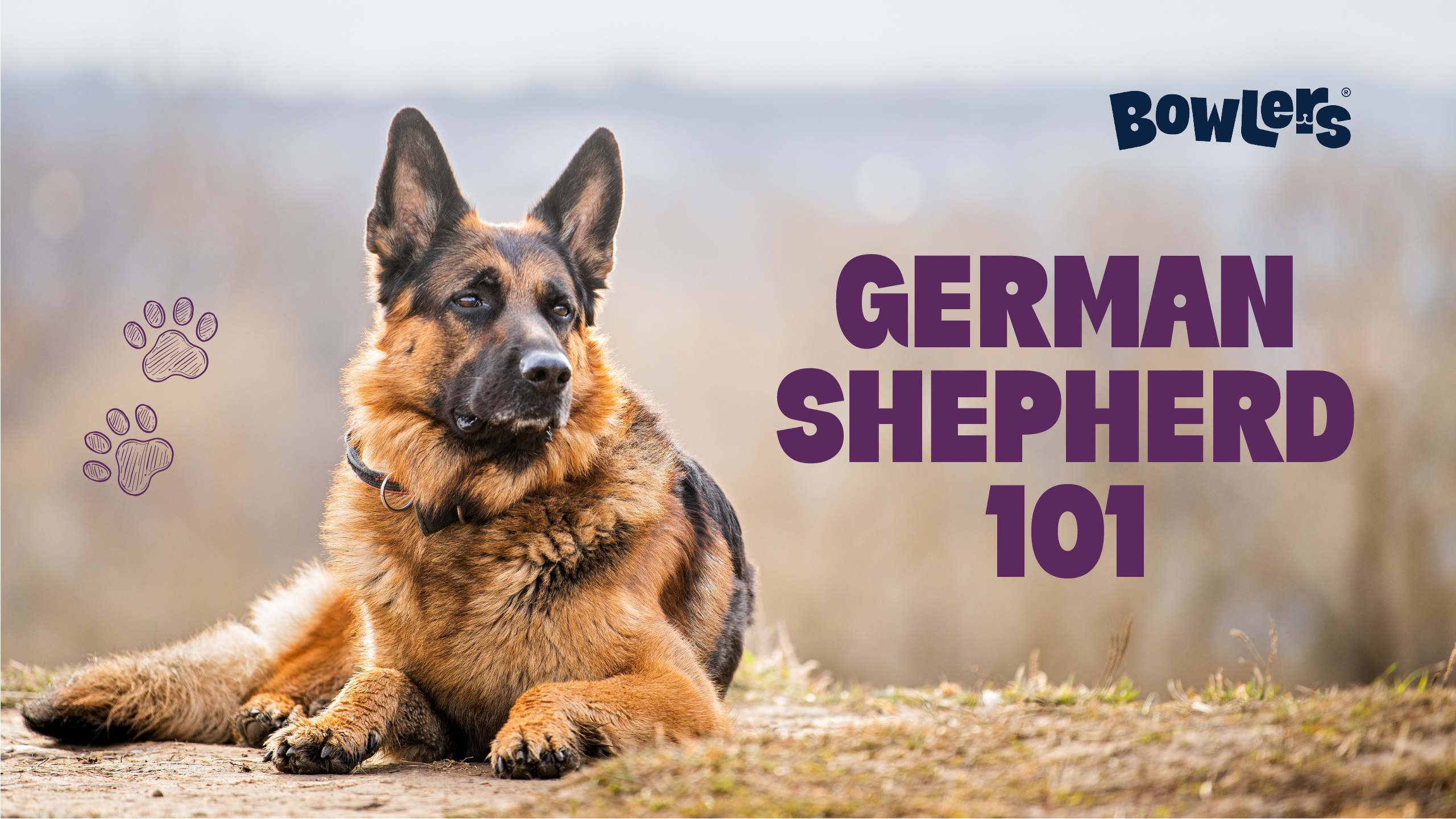
Table of contents
- 🐕 Understanding the German Shepherd’s Unique Traits
- 🐕 Exercise Requirements: Keeping a German Shepherd Active & Happy
- 🐕 Training Tips for German Shepherds
- 🐕 Diet & Nutrition: Feeding a German Shepherd the Right Way
- 🐕 Grooming & Health Care Tips
- 🐕 German Shepherds vs Other Popular Breeds
- 🐕 Frequently Asked Questions About German Shepherds
The German Shepherd is one of the world’s most admired dog breeds, a loyal guardian, a quick learner, and a versatile working partner. Whether serving in police units, guiding families, or being a loving household companion, this breed offers an unmatched combination of intelligence and devotion.
This guide covers their key traits, exercise requirements, training essentials, and daily care tips to help you raise a healthy, confident German Shepherd.
This blog also ties into our broader series on Popular Dog Breeds and Their Unique Characteristics, where we discuss other favourites like the Labrador Retriever, Golden Retriever, Beagle, and French Bulldog to help pet parents choose the right companion.
🐕 Understanding the German Shepherd’s Unique Traits
German Shepherds are known for their sharp problem solving ability, strong athletic build, and highly loyal temperament. They form deep bonds with their families and are naturally protective, making them excellent watchdogs.
Many new pet parents ask, “Are German Shepherds good family pets?”
Yes, when trained and socialised early, they’re gentle, affectionate, and incredibly dependable with children. They thrive best with families willing to give them mental stimulation, structured routines, and regular activity.
Key Personality Traits
- Intelligent: One of the smartest breeds, often ranking right behind Border Collies in working intelligence.
- Alert & Protective: They are naturally aware of their surroundings, making them excellent guardians.
- Energetic: They need physical and mental engagement every day.
- Trainable: They respond quickly to commands and enjoy structured learning.
- Loyal: They form lifelong bonds with their people and remain deeply devoted.
If you’re comparing breeds, a German Shepherd’s protective nature is stronger than a Golden Retriever’s, but their trainability aligns closely with a Labrador’s as both are highly responsive to consistent training.
🐕 Exercise Requirements: Keeping a German Shepherd Active & Happy
This breed has a ton of energy to burn. Without proper exercise, a German Shepherd can become restless, anxious, or even destructive.
How Much Exercise Do German Shepherds Need?
Most adults require 90 minutes to 2 hours of daily exercise. This can be split into:
- Morning walk or jog
- Afternoon play or fetch
- Evening mental enrichment (training, puzzles, scent games)
Many pet parents naturally wonder, “Is a German Shepherd too energetic for apartment living?”
Not necessarily, as long as you commit to their exercise routine. But they typically thrive in homes with more space to move freely.
Best Exercises for German Shepherds
- Long walks or running
- Fetch and tug games
- Agility training
- Swimming
- Scent-tracking games (similar to a Beagle’s natural nose work)
Regular exercise not only keeps them fit but also prevents behavioural issues. It’s also a great way to build trust and communication with your dog.
🐕 Training Tips for German Shepherds
German Shepherds love to learn training is not just helpful for them; it’s essential. Early training brings out the best of their intelligence and natural discipline.
-
Start Early: Puppy Socialisation
Introducing your German Shepherd puppy to different people, environments, and other pets helps them grow into calm, confident adults. This is especially important, as their protective instincts can become too strong without proper socialisation.
-
Positive Reinforcement Works Best
Using treats, praise, and rewards is the most effective training method. Because they are food-motivated, a small portion of healthy pet food or treats from Bowlers works beautifully during short training sessions.
-
Basic Commands to Begin With
- Sit
- Stay
- Come
- Heel
- Leave it
Once they master the basics, you can move to advanced skills agility, tracking, guarding tasks, or trick training.
A common query that comes up is, “Are German Shepherds difficult to train?”
Not at all. They are one of the easiest breeds to train, as long as consistency is maintained.
-
Avoid Harsh Training Methods
Harsh corrections can damage trust. German Shepherds respond better when training feels like a fun mental challenge rather than strict discipline.
-
Mental Stimulation Matters
They need mental workouts, such as:
- Puzzle feeders
- Hide-and-seek games
- Obedience drills
- Interactive toys
This keeps their brain active and prevents anxiety.
🐕 Diet & Nutrition: Feeding a German Shepherd the Right Way
Because German Shepherds are active, muscular, and fast-growing in their early years, they need a balanced diet to support bone strength, immunity, and digestive health.
What Should a German Shepherd Eat?
German Shepherds need a high-quality diet rich in:
- Protein for muscle development
- Healthy fats for joint health
- Vitamins and minerals for immunity
- Easily digestible carbohydrates for steady energy
Healthy dog food brands like Bowlers Nutrimax Club (Adult) are formulated to support the energy levels of active breeds like German Shepherds. It promotes your pet’s gut health, immunity, digestion, gut health and vision. And if you prefer convenience, you can buy dog food online to keep your pet’s nutrition routine consistent.
Portion Control
Overfeeding your German Shepherd can lead to joint issues, hip dysplasia complications, and weight gain. Follow the guidelines on the back of the Bowlers Dog Food pack, or refer to your vet’s feeding chart.
🐕 Grooming & Health Care Tips
German Shepherds are moderate shedders with a double coat. While they don’t require as much grooming as Golden Retrievers, they still benefit from a regular routine.
Grooming Basics
- Brush 2–3 times a week
- Occasional baths
- Regular nail trimming
- Ear cleaning (especially after outdoor activities)
🐕 German Shepherds vs Other Popular Breeds
Here’s a quick comparison:
- Labrador Retriever: More outgoing and playful; slightly easier for first-time owners.
- Golden Retriever: Softer temperament and more affectionate; great family dog.
- Beagle: Smaller and more scent-driven; needs mental games.
- French Bulldog: Low-energy and apartment-friendly; ideal for less active owners.
German Shepherds stand out for their versatility and intelligence, making them excellent for active, engaged households.
🐕 Frequently Asked Questions About German Shepherds
1. Are German Shepherds good for first-time owners?
Yes, as long as the owner is committed to training and exercise.
2. How often should a German Shepherd eat?
2–3 balanced meals a day, depending on age and activity level.
3. Do German Shepherds get along with other dogs?
Yes, especially when socialised early.
4. What’s the best food for a German Shepherd?
High-protein, balanced meals like Bowlers dog food that support joint and muscle health.