French Bulldog: Health, Lifestyle & Living in Small Spaces
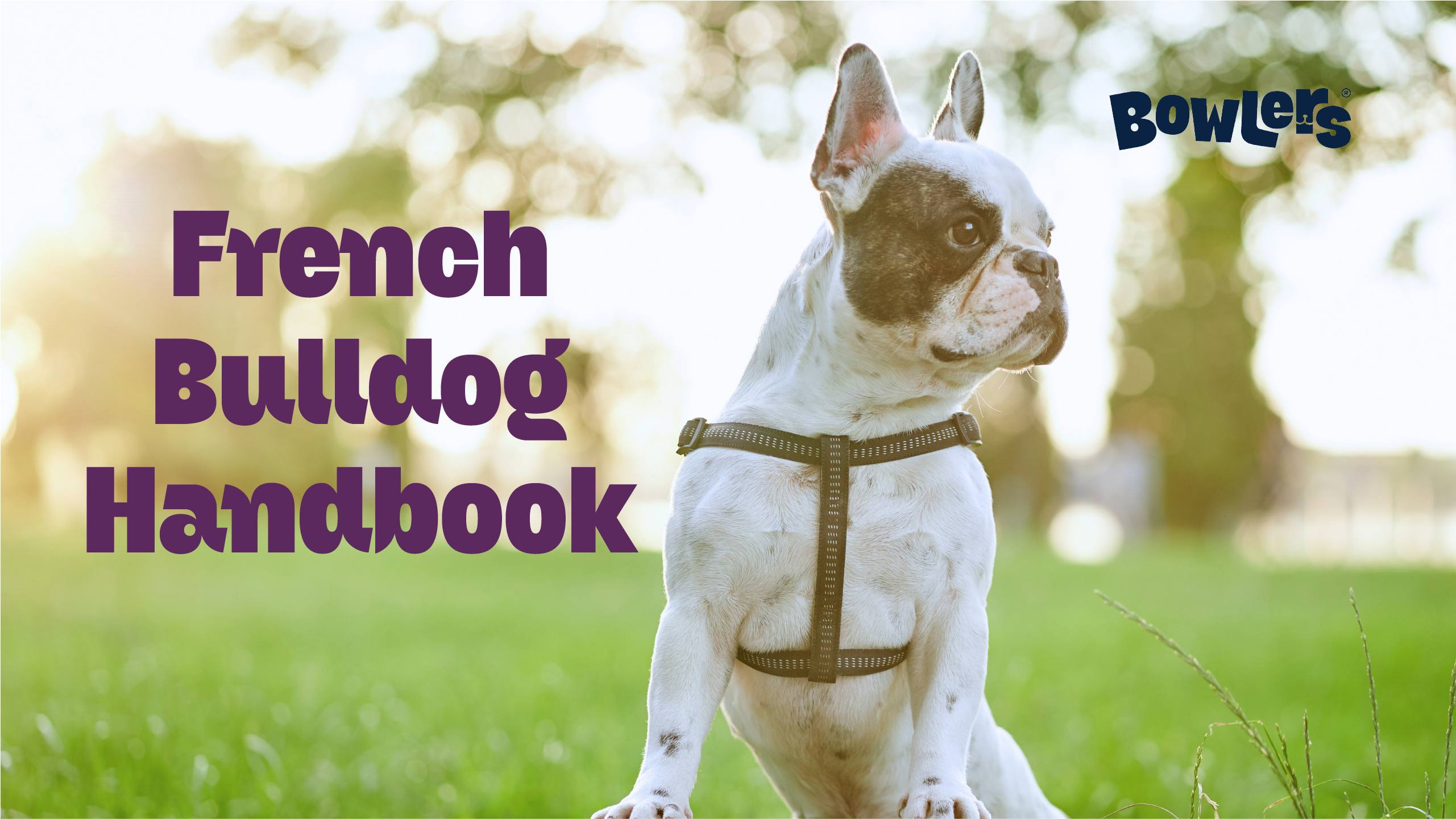
Table of contents
- Understanding the French Bulldog’s Personality
- 🐕 French Bulldog Lifestyle: What Kind of Homes Do They Thrive In?
- 🐕 French Bulldog Health: What Pet Parents Must Know
- 🐕 French Bulldog Diet Recommendations
- 🐕 Grooming Needs of French Bulldogs: Simple but Consistent
- 🐕 Feeding and Lifestyle Tips
- 🐕 French Bulldogs vs Other Popular Breeds
- 🐕 Frequently Asked Questions About French Bulldogs
Compact, charming, and full of personality, the French Bulldog or “Frenchie” has become one of the most popular small dog breeds worldwide.
Their expressive eyes, adorable bat ears, and playful temperament make them irresistible companions for families, singles, and seniors alike. Whether you live in a studio apartment or a modern city home, these little charmers fit in effortlessly.
This guide explores a French Bulldog’s health needs, lifestyle requirements, grooming basics, and why they’re ideal for small-space living. We’ll also compare them naturally with other breeds like the Labrador Retriever, German Shepherd, Golden Retriever, and Beagle to help pet parents understand how different breeds adapt to home environments.
Understanding the French Bulldog’s Personality
French Bulldogs may be small, but they have big, expressive personalities. They’re affectionate, funny, and enjoy being the center of attention. Their gentle nature and minimal exercise needs make them ideal for people who want a loving dog without high maintenance.
Key Personality Traits
- Playful but low-energy
- Affectionate and people oriented
- Quiet and rarely bark
- Gets along well with kids and pets
- Easy to train with positive reinforcement
Compared to a high-energy breed like a Beagle or a working dog such as a German Shepherd, French Bulldogs are much more laid-back. They’re social butterflies but prefer lounging around instead of long outdoor adventures.
One common question that pet parents ask is: “Are French Bulldogs good for first-time owners?”
Yes. Their calm nature, predictable temperament, and moderate care needs make them excellent for beginners.
🐕 French Bulldog Lifestyle: What Kind of Homes Do They Thrive In?
The French Bulldog’s lifestyle is easygoing, making them suitable for various living arrangements, especially smaller homes.
Perfect for City Living
French Bulldogs are one of the best breeds for:
- Apartments
- Condos
- Small houses
- Urban lifestyles
They don’t need large yards or intense exercise like a Labrador Retriever. A short walk and some indoor play are usually enough to keep them satisfied.
Social Companions
Frenchies love being with their families. They follow you around the house, enjoy cuddles, and form strong emotional bonds. While Golden Retrievers express affection with enthusiasm, French Bulldogs show it with quiet companionship.
Low Exercise Needs
A common question pet parents ask is: “How much exercise does a French Bulldog need?”
Around 20–40 minutes of moderate activity daily is enough.
Avoid over-exertion, especially during hot weather, because French Bulldogs have breathing difficulties related to their flat snout structure.
French Bulldogs and Small-Space Living
Frenchies are practically designed for compact living. Here’s why they excel in small apartments:
1. They’re Quiet Dogs
They rarely bark, unlike the vocal and alert Beagle. This makes them perfect for apartments where noise can be an issue.
2. They Don’t Need Large Play Areas
Indoor play sessions, mental games, and short walks meet their daily needs.
3. Low-Shedding Coat
Although they do shed, it’s manageable compared to heavy shedders like Golden Retrievers or German Shepherds.
4. Easy to House-Train
Their eagerness to please and intelligence make house-training simpler for first-time dog parents.
5. Adaptable to Indoor Routines
French Bulldogs love routines but don’t demand much. They’re happy lounging around or relaxing on the couch something high-energy breeds may struggle with.
🐕 French Bulldog Health: What Pet Parents Must Know
While French Bulldogs are lovable and charismatic, they are prone to certain health issues. Early care, proper diet, and routine vet visits can significantly improve their quality of life.
Common Health Concerns
1. Brachycephalic Breathing Issues
Due to their flat faces, frenchies often struggle with:
- Heavy breathing
- Snoring
- Overheating
- Exercise intolerance
Many new pet parents ask: “Why do French Bulldogs breathe heavily?”
It’s because their shortened airways cause airflow obstruction, common in brachycephalic breeds.
2. Skin Allergies
Frenchies have sensitive skin that can react to:
- Dust
- Pollen
- Certain shampoos
- Poor-quality pet food
A nutritious, balanced diet like Bowlers dog food supports skin and coat health while reducing allergy flare-ups.
3. Hip and Spine Issues
Intervertebral disc disease (IVDD) is common, so avoid activities that strain their spine, like jumping from high furniture.
4. Eye Conditions
Due to their prominently placed eyes, Frenchies may experience:
- Dry eyes
- Cherry eye
- Corneal ulcers
🐕 French Bulldog Diet Recommendations
A healthy, high-quality diet keeps French Bulldogs active and supports their immunity. Choose dog food with:
- Lean protein
- Omega fatty acids
- Joint support nutrients
- Easily digestible grains or grain-free options
- No artificial fillers
You can also buy dog food online to ensure you never run out of your Frenchie’s favourite nutrition.
🐕 Grooming Needs of French Bulldogs: Simple but Consistent
French Bulldogs are not high-maintenance, but they do require regular grooming.
Weekly Care Checklist
- Brush 2–3 times per week
- Wipe folds daily to prevent moisture buildup
- Trim nails every few weeks
- Clean ears to avoid infections
- Bathe once every 4–6 weeks
Their short coat is easier to maintain than that of a Golden Retriever, whose long fur needs frequent brushing. However, their face folds require special attention.
🐕 Feeding and Lifestyle Tips
Feeding Guidelines
- Feed 2 small meals a day
- Avoid overfeeding (Frenchies gain weight quickly)
- Provide fresh water
- Introduce new pet food slowly
Lifestyle Tips
- Keep them indoors during hot weather
- Use a harness instead of a collar for walks
- Offer interactive toys to prevent boredom
- Provide soft bedding for joint comfort
🐕 French Bulldogs vs Other Popular Breeds
- Labrador Retriever: High-energy and outdoor-loving, unlike the low-energy Frenchie.
- German Shepherd: Needs intense training and exercise: Frenchies require much less.
- Golden Retriever: More active and affectionate, but requires more grooming.
- Beagle: More vocal and scent-driven; needs more outdoor stimulation.
French Bulldogs stand out for their ease, low maintenance, and suitability for small homes.
🐕 Frequently Asked Questions About French Bulldogs
1. Are French Bulldogs good apartment dogs?
Yes : they are one of the best breeds for small spaces.
2. How much exercise do French Bulldogs need?
20–40 minutes of moderate activity daily.
3. What should French Bulldogs eat?
A balanced diet like Bowlers dog food that supports skin, digestion, and joint health.
4. Do French Bulldogs shed?
Yes, but moderately.
5. Are French Bulldogs good with kids?
Absolutely! They’re very affectionate and gentle.