Dog Breeds: The Complete India Guide to Picking, Living With, and Feeding the Right Dog

Table of contents
- First, understand how breeds are actually grouped
- The India filter: Six questions before you fall in love with a photo
- Dog Breeds for Indian Homes
- How to Read This Guide
- Small Breeds: Under 10 kg
- Medium Breeds: 10 to 25 kg
- Large & Giant Breeds: 25 kg and Above
- Quick Rule of Thumb
- Match your life to a breed
- What actually changes in the food bowl when the breed changes
- Breed-linked health issues you will actually encounter
- What a dog actually costs
- The legal reality and your housing society
- Adopting versus buying, and how not to fund a puppy mill
- Five myths worth retiring
- The last thing worth saying
- FAQs
There are over 350 recognised dog breeds worldwide, but only about 40 are commonly kept in Indian homes. The right one for you is decided by four things in this order: your city’s climate, your actual floor space, the hours you can give daily, and your monthly budget. Looks come fifth.
This guide covers 20+ breeds grouped by size and heat tolerance, India’s own native breeds, what each type needs in the food bowl, and the legal and housing-society rules most people get wrong.
First, understand how breeds are actually grouped
Every kennel club in the world sorts breeds by the job they were bred to do. This matters more than size, because the job is baked into behaviour and it does not switch off in a city apartment.
| Group | Bred to do | What does that mean at home |
| Gundog/Sporting | Find and retrieve birds | Mouthy, loves water and carrying things, food-driven, needs long walks. Labrador, Golden Retriever, Cocker Spaniel |
| Hound | Chase by sight or scent | Sighthounds sprint, then sleep all day. Scenthounds follow noses off-leash and vanish. Beagle, Rajapalayam, Dachshund |
| Working | Guard, pull, rescue | Big, powerful, need a job and a confident handler. Rottweiler, Boxer, Great Dane |
| Pastoral/Herding | Move and protect livestock | Endless stamina, hyper-alert, will herd your children. German Shepherd, Border Collie |
| Terrier | Kill vermin underground | Bold, loud, high prey drive, dig. Jack Russell, Bull Terrier |
| Toy | Companionship, nothing else | Built for laps, but still dogs with real needs. Pug, Pomeranian, Chihuahua, Shih Tzu |
| Utility/Non-Sporting | Everything else | Wildly varied. Dalmatian, Poodle, Chow Chow |
Read it like this: a bored Gundog eats your sofa. A bored Herding dog invents a job, usually barking at the lift. A bored Terrier renovates your garden. The breed group tells you what boredom will look like in your house.
The India filter: Six questions before you fall in love with a photo
1. Can this coat survive your city?
This is the single most ignored question, and it causes more suffering than any other. A double-coated Arctic breed in Nagpur in May is not a lifestyle choice; it is a welfare problem.
I have scored breeds on a simple India Heat Score from 1 to 5, based on coat density, muzzle length (short muzzles cool poorly), body mass, and the climate the breed evolved in.
| Score | What it means | Examples |
| 5 | Built for Indian heat. Thrives with shade and water | Indian Pariah, Rajapalayam, Chippiparai, Mudhol Hound, Kanni, Saluki |
| 4 | Handles heat well with sensible timing | Beagle, Dachshund, Doberman, Dalmatian, Poodle, Whippet, Indian Spitz, smooth Chihuahua |
| 3 | Manageable, but summer needs planning | Labrador, German Shepherd, Rottweiler, Great Dane, Cocker Spaniel, Border Collie |
| 2 | Struggles. Needs cooling, restricted walk times | Golden Retriever, Pug, Shih Tzu, Boxer, Pomeranian, Shiba Inu |
| 1 | Should not be in the Indian plains without full climate control | Siberian Husky, Saint Bernard, Samoyed, Chow Chow, Tibetan Mastiff, Newfoundland, Bernese Mountain Dog, English Bulldog |
If in cooler regions like Shimla, Ooty, Munnar, Dehradun, Gangtok, or Darjeeling, subtract one point from your total heat-risk score. If in hotter climates like Ahmedabad, Nagpur, Jaipur, Hyderabad, Chennai, or Delhi during summer, add one point.
2. How much space is real space?
Floor area matters less than people think. What matters is whether the dog can pace, whether there is a shaded balcony, and whether you can get downstairs quickly. A Greyhound is calmer in a 2BHK than a Jack Russell. A Great Dane sleeps 18 hours a day and needs less room than a Border Collie, who needs a purpose.
3. The honest hours test
Write down the minutes you will realistically give on a bad workday, not a Sunday.
- Under 30 minutes: Pug, Shih Tzu, Lhasa Apso, Bulldog, senior rescue
- 30 to 60 minutes: Indian Spitz, Dachshund, Beagle, Cocker Spaniel, Indian Pariah, Chihuahua
- 60 to 90 minutes: Labrador, Golden Retriever, Boxer, Rottweiler, Dalmatian, Rajapalayam
- 90 minutes and up, plus training: German Shepherd, Border Collie, Belgian Malinois, Siberian Husky, Doberman
4. Money, monthly and lifetime
Skip to the cost section below. A dog is a 10 to 16 year financial commitment, and the purchase price is usually the smallest number in the whole equation.
5. Your building and the law
Housing societies rarely have the legal grounds to enforce complete pet bans, and forwarded lists of banned breeds are usually untrue.
6. Who else makes a difference here?
Toddlers, elderly parents, cats, and existing dogs each change the answer. High prey drive breeds and free-roaming cats are a hard combination. Giant breeds and unsteady grandparents are a fall risk, not a temperament risk.
Dog Breeds for Indian Homes
Choosing a dog in India isn’t only about size or personality. Heat tolerance, grooming needs, exercise requirements, and breed-specific health risks can make a huge difference.
How to Read This Guide
Heat suitability
- 5/5, Excellent: Naturally well suited to Indian heat
- 4/5, Good: Generally handles warm weather well
- 3/5, Moderate: Needs sensible heat management
- 2/5, Poor: Extra care and cooling required
- 1/5, Very poor: Generally unsuitable for hot Indian plains
Weight and typical life span are included for quick comparison.
Small Breeds: Under 10 kg
Indian Spitz
Heat suitability: ★★★★☆ 4/5
Weight: 5–8 kg
Lifespan: 10–14 years
India’s own small dog, often mistaken for a Pomeranian and considerably hardier. Alert, quick to learn, and adapted to Indian conditions in a way imported toy breeds often are not.
Good to know: Vocal by nature, so teach a “quiet” cue early.
Best for: Most Indian families, including many first-time dog owners.
Pug
Heat suitability: ★★☆☆☆ 2/5
Weight: 6–8 kg
Lifespan: 12–15 years
Affectionate, comic, and deeply attached to its family.
⚠ Heat warning: The flat face makes Pugs inefficient at cooling themselves. In summer, walks should be restricted to the coolest parts of the day.
Care: Facial folds need daily wiping. Portion control is also essential because excess weight can quickly worsen breathing problems.
Shih Tzu
Heat suitability: ★★☆☆☆ 2/5
Weight: 4–7 kg
Lifespan: 10–16 years
Content indoors, it requires relatively little exercise and has a huge personality for its size.
Care: The coat needs daily brushing or a short summer clip every 6–8 weeks.
⚠ Watch out: Eyes require attention, and the breed has similar heat limitations to the Pug.
Lhasa Apso
Heat suitability: ★★★☆☆ 3/5
Weight: 5–8 kg
Lifespan: 12–15 years
Originally bred as a monastery watchdog and still behaves like one. Independent, alert, and likely to announce every delivery.
Care: The floor-length coat is a full-time grooming commitment unless kept trimmed.
Pomeranian
Heat suitability: ★★☆☆☆ 2/5
Weight: 2–3.5 kg
Lifespan: 12–16 years
Enormous confidence in a tiny frame.
Care: Do not shave the double coat in summer. It can grow back patchy and may actually reduce heat protection. Trim and brush instead.
Health: Prone to dental disease and slipping kneecaps.
Dachshund
Heat suitability: ★★★★☆ 4/5
Weight: 5–9 kg
Lifespan: 12–16 years
Bold, funny, and famously stubborn.
⚠ Back care: Their long backs make intervertebral disc disease a significant risk. Avoid repeated jumping from beds and sofas, use ramps where practical, and keep them lean.
For a Dachshund, weight control is spinal care, not vanity.
Chihuahua
Heat suitability: ★★★★☆ 4/5 for smooth coats
Weight: 1.5–3 kg
Lifespan: 14–16 years
The longest-lived breed on this list. Chihuahuas often bond intensely with one person.
Good to know: Fragile bones and crowded teeth require extra attention.
Best for: Homes with older children who understand how to handle a very small dog gently.
Toy & Miniature Poodle
Heat suitability: ★★★★☆ 4/5
Weight: 3–8 kg
Lifespan: 12–15 years
An underrated option. The single coat with no dense undercoat handles heat better than many fluffy breeds. Poodles are also remarkably intelligent and low-shedding.
Care: Professional clipping every 6–8 weeks.
Needs: Daily mental stimulation is just as important as physical exercise.
Maltese
Heat suitability: ★★★☆☆ 3/5
Weight: 3–4 kg
Lifespan: 12–15 years
Gentle, devoted, and low-shedding.
Care: Grooming requirements are high.
Watch out: Can be prone to separation anxiety.
Bichon Frise
Heat suitability: ★★★☆☆ 3/5
Weight: 5–8 kg
Lifespan: 12–15 years
Cheerful, adaptable, and low-shedding.
Health: Prone to skin sensitivities, which can be aggravated by India’s humidity.
Jack Russell Terrier
Heat suitability: ★★★★☆ 4/5
Weight: 6–8 kg
Lifespan: 13–16 years
A working terrier packed into a small body.
Exercise: Extremely energetic and likely to dig and chase.
Good to know: This is not a low-effort dog simply because it is small.
French Bulldog
Heat suitability: ★☆☆☆☆ 1–2/5
Weight: 8–10 kg
Lifespan: 10–12 years
Charming and increasingly popular in Indian cities, but one of the breeds that requires the most caution in India’s climate.
⚠ Important: Severe brachycephalic airway limitations mean extremely poor heat tolerance. The breed is also prone to spinal problems.
If you have your heart set on one, budget for reliable air conditioning and access to a veterinarian familiar with the breed.
Cavalier King Charles Spaniel
Heat suitability: ★★★☆☆ 3/5
Weight: 6–8 kg
Lifespan: 9–14 years
Possibly one of the sweetest temperaments among small breeds.
⚠ Before buying: Screen breeders carefully for heart disease, which is common in the breed.
Medium Breeds: 10 to 25 kg
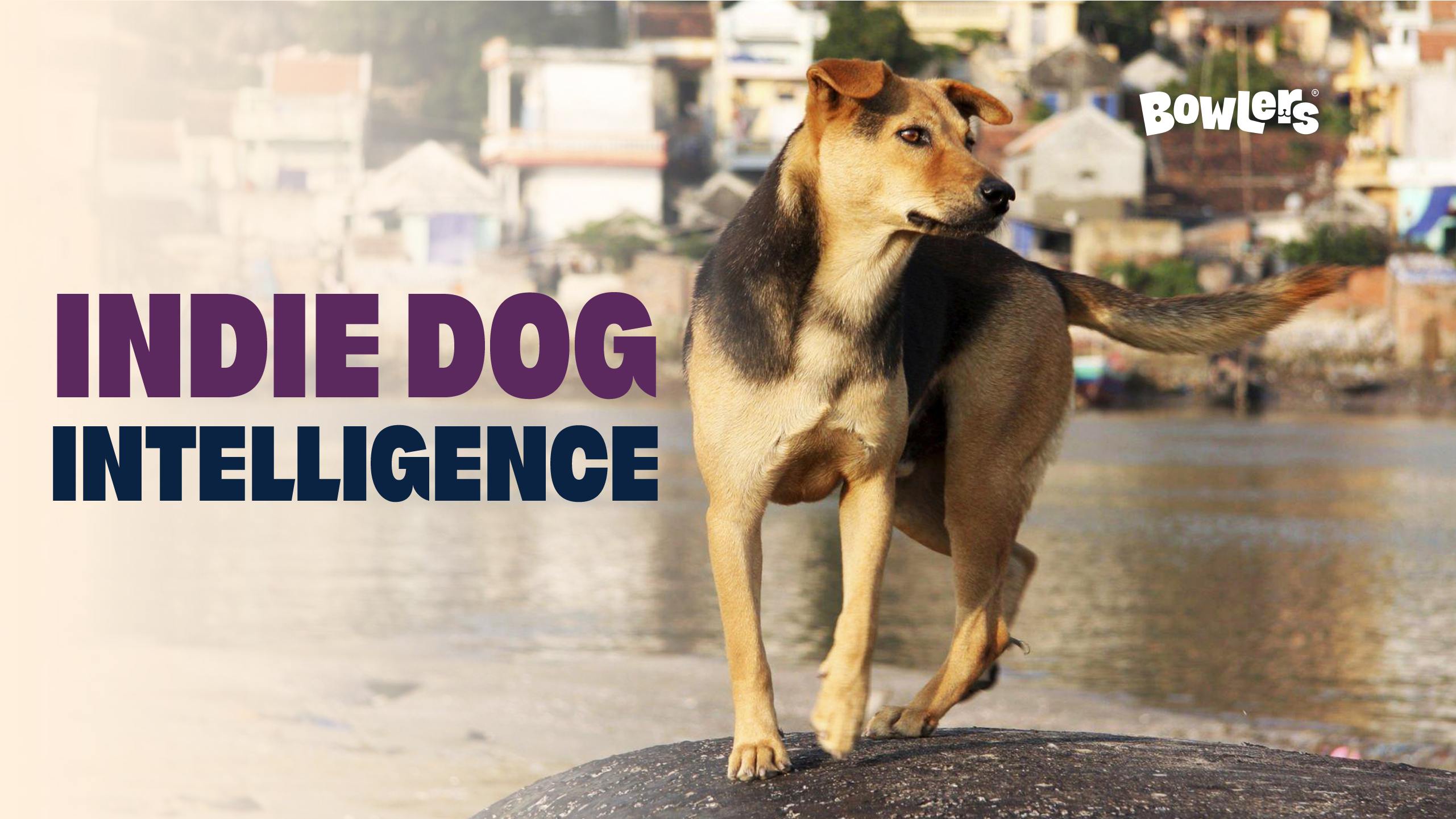
Indian Pariah Dog (Indie/INDog)
Heat suitability: ★★★★★ 5/5
Weight: 15–25 kg
Lifespan: 13–16 years
One of the most sensible, and often most overlooked, choices for India. Thousands of years of natural selection in this climate have produced dogs with excellent health, short, easy coats, high intelligence, and strong emotional attachment.
Good to know: Some can initially be reserved with strangers, so early and generous socialisation matters.
Best for: Indian weather, Indian streets, and families looking for a healthy, adaptable dog without a large acquisition budget.
Beagle
Heat suitability: ★★★★☆ 4/5
Weight: 9–11 kg
Lifespan: 12–15 years
Sociable, food-obsessed, and endlessly curious.
Good to know: Beagles can be loud, and an interesting scent can override even well-practised recall.
Safety: Secure balconies, gates, and outdoor spaces.
Health: Obesity is one of the breed’s biggest health threats.
Cocker Spaniel
Heat suitability: ★★★☆☆ 3/5
Weight: 12–15 kg
Lifespan: 12–15 years
Soft, sociable, and eager.
Care: Their beautiful drop ears trap moisture. In Indian humidity, this can mean recurring ear infections.
Routine: Weekly ear checks should be part of normal ownership.
Border Collie
Heat suitability: ★★★☆☆ 3/5
Weight: 14–20 kg
Lifespan: 12–15 years
One of the most trainable dogs in the world, and the wrong dog for many households.
Needs: A Border Collie needs structured physical and mental work every day.
Without a daily job, compulsive behaviours can develop.
Best for: People who specifically want a training hobby or working partnership, rather than simply a pet.
Basenji
Heat suitability: ★★★★☆ 4/5
Weight: 9–11 kg
Lifespan: 12–14 years
Its African origins make it relatively well suited to heat.
Clean, nearly odourless, and unusually independent.
Interesting trait: Basenjis don’t bark conventionally; they produce a distinctive yodel-like sound instead.
Watch out: Poor off-leash recall.
Whippet
Heat suitability: ★★★★☆ 4/5
Weight: 10–16 kg
Lifespan: 12–15 years
Quietly one of the best apartment dogs around. A Whippet may sprint intensely for 15 minutes and then happily sleep for much of the day.
Good to know: Very low body fat means they appreciate soft bedding.
Winter care: A jacket may be needed during colder North Indian winters.
Shiba Inu
Heat suitability: ★★☆☆☆ 2/5
Weight: 8–11 kg
Lifespan: 12–16 years
Striking, clean, aloof, and stubborn.
Care: The double coat sheds heavily twice a year.
Watch out: Shibas are skilled escape artists with a strong prey drive.
Chow Chow
Heat suitability: ★☆☆☆☆ 1/5
Weight: 20–32 kg
Lifespan: 8–12 years
Magnificent, but genuinely poorly suited to India’s hot plains.
⚠ Heat warning: The dense double coat gives this breed low heat tolerance.
Good to know: Heavy grooming requirements and an independent temperament make experienced handling preferable.
Standard Poodle
Heat suitability: ★★★★☆ 4/5
Weight: 20–32 kg
Lifespan: 12–15 years
Athletic, brilliant, and low-shedding.
The Standard Poodle is one of the stronger larger-dog options for allergy-prone Indian households.
Large & Giant Breeds: 25 kg and Above
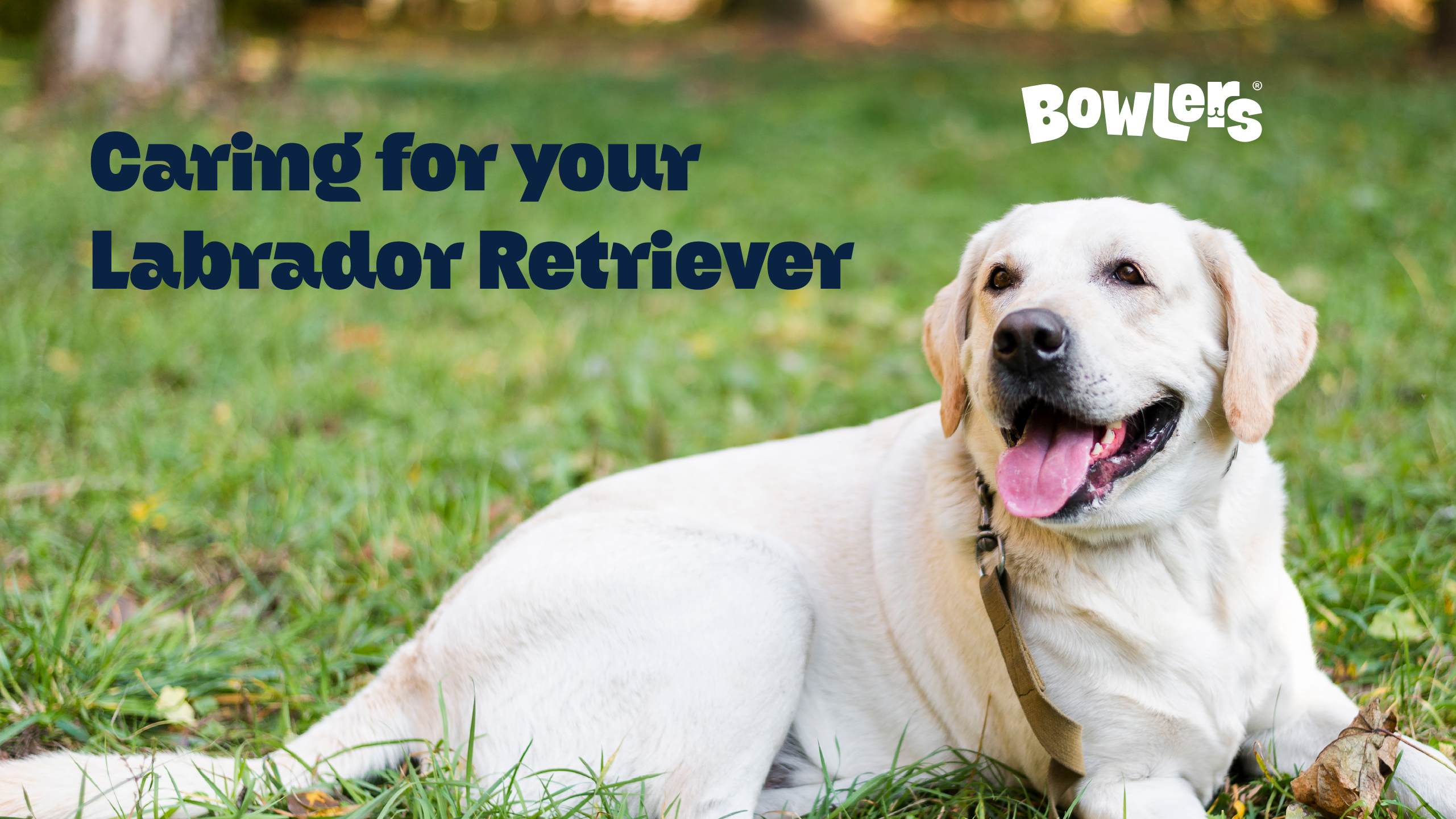
Labrador Retriever
Heat suitability: ★★★☆☆ 3/5
Weight: 25–36 kg
Lifespan: 10–12 years
One of India’s most popular breeds for good reason: patient with children, adaptable, and easy to train.
The catch: Appetite.
Many Labradors carry a genetic variant associated with persistent hunger, which contributes to the breed’s tendency toward obesity.
Health: Keep Labradors lean and monitor their hips, elbows, and ears.
A lean Labrador can live measurably longer than an overweight one.
Golden Retriever
Heat suitability: ★★☆☆☆ 2/5
Weight: 25–34 kg
Lifespan: 10–12 years
Emotionally intuitive and often wonderful with children.
⚠ Heat consideration: That beautiful coat becomes a disadvantage during Indian summers.
Plan for shade, cool flooring, early-morning walks, and thorough drying after every bath to help prevent hot spots.
German Shepherd
Heat suitability: ★★★☆☆ 3/5
Weight: 30–40 kg
Lifespan: 9–13 years
One of the most versatile working dogs and one of India’s most-searched breeds.
Exercise: Needs 90+ minutes of physical and mental activity each day.
Health: Prone to hip and elbow dysplasia and sensitive digestion.
Before buying: Look for responsible breeders who health-test and hip-score their dogs.
Rottweiler
Heat suitability: ★★★☆☆ 3/5
Weight: 35–60 kg
Lifespan: 8–10 years
Calm, confident, and deeply loyal when responsibly bred and properly socialised.
Experience: Not generally a beginner breed.
⚠ Before buying: Check the current rules and municipal requirements applicable to Rottweilers in your location.
Doberman Pinscher
Heat suitability: ★★★★☆ 4/5
Weight: 32–45 kg
Lifespan: 10–13 years
Sleek, sensitive, exceptionally trainable, and one of the better large breeds for Indian heat thanks to its short coat.
Health: Screen carefully for heart disease.
Needs: Around two hours of physical exercise per day. Dobermans generally dislike being left alone for long periods.
Boxer
Heat suitability: ★★☆☆☆ 2/5
Weight: 25–32 kg
Lifespan: 10–12 years
Perpetually playful and often superb with children.
⚠ Heat warning: The shortened muzzle limits cooling ability, so treat strenuous exercise in hot weather with the same caution as you would for a Pug.
Great Dane
Heat suitability: ★★★☆☆ 3/5
Weight: 50–80 kg
Lifespan: 7–10 years
Astonishingly gentle and often calmer indoors than many medium-sized breeds.
⚠ Major health concern: Bloat is a life-threatening emergency in deep-chested breeds such as Great Danes.
Puppies: Controlled growth is essential. Growing too quickly can permanently damage developing joints.
Dalmatian
Heat suitability: ★★★★☆ 4/5
Weight: 24–32 kg
Lifespan: 10–13 years
Athletic, striking, and best suited to an active owner.
Health: Hereditary deafness occurs in the breed, so ask about BAER hearing testing.
Dalmatians also have a distinctive uric-acid metabolism that increases their risk of urinary stones.
Care: Constant access to fresh water is particularly important.
Belgian Malinois
Heat suitability: ★★★☆☆ 3/5
Weight: 25–30 kg
Lifespan: 12–14 years
A serious working dog used in military and police roles.
⚠ Not an average family pet: Without substantial structured work every day, a Malinois can become destructive and reactive in ways that most households are not equipped to manage.
Choose this breed for its working ability, not because it looks impressive.
Siberian Husky
Heat suitability: ★☆☆☆☆ 1/5
Weight: 20–27 kg
Lifespan: 12–14 years
Beautiful, friendly, hilarious, and built for extremely cold conditions.
⚠ India warning: In hot cities and plains, maintaining a Husky comfortably can require extensive climate control.
They make considerably more sense in India’s genuinely cool hill climates than in hot plains.
Cold-Climate Giant Breeds
Saint Bernard · Tibetan Mastiff · Samoyed · Newfoundland · Bernese Mountain Dog · Great Pyrenees
Heat suitability: ★☆☆☆☆ 1/5
These are magnificent cold-climate breeds.
⚠ Climate warning: Keeping one in India’s hot plains can mean relying heavily on artificial cooling for years, while still providing a climate that is far from what the breed evolved for.
For most households in hot regions, a more heat-tolerant breed is the better choice.
Quick Rule of Thumb
For most Indian households, start by looking at dogs with a Heat Suitability score of 4 or 5.
A lower score doesn’t automatically mean a breed cannot live. It means temperature management becomes a much bigger part of responsible ownership.
And remember: breed is only one part of the decision. Your city, home, available exercise time, grooming budget, access to veterinary care, and the individual dog’s health and temperament matter just as much.
Match your life to a breed
| Your situation | Consider | Avoid |
| First dog ever | Indian Pariah, Indian Spitz, Labrador, Beagle, Poodle | Malinois, Border Collie, Akita, Chow Chow |
| 1BHK or 2BHK flat | Whippet, Shih Tzu, Pug, Indian Spitz, Dachshund, Greyhound | Husky, Malinois, livestock guardians |
| Young children | Labrador, Golden Retriever, Beagle, Boxer, Indie | Chihuahua, Shiba Inu, guardian breeds |
| Hot, dry city (Ahmedabad, Jaipur, Nagpur) | Indie, Rajapalayam, Mudhol, Dalmatian, Doberman | Every Score 1 and 2 breeds |
| Hill station | Husky, Tibetan Mastiff, Gaddi Kutta, Saint Bernard | Very short-coated toy breeds in winter |
| Home security | German Shepherd, Doberman, Rottweiler, Kombai | Any breed you cannot physically control |
| Allergy in the family | Poodle, Bichon Frise, Maltese, Basenji | Heavy shedders like GSD, Husky, Labrador |
| Elderly or low mobility | Pug, Shih Tzu, Cavalier, Lhasa Apso, senior rescue | Puppies of any working breed |
| Tight budget | Indian Pariah, Indian Spitz, Indie mix | Giant breeds, high-grooming coats |
| You travel constantly | Wait. Or foster instead of adopting | Everything |
What actually changes in the food bowl when the breed changes
This is the part most breed guides skip, and it is where breed choice stops being theoretical. A Chihuahua and a Great Dane are the same species with almost nothing in common nutritionally.
Small breeds: more calories per kilo, smaller everything
A 4 kg dog burns roughly twice the calories per kilogram of body weight that a 40 kg dog does. Small breeds also have tiny stomachs and crowded teeth, so they do better on two or three smaller meals of a nutrient-dense food than one large serving of a low-density one.
Look for higher protein and higher metabolisable energy so the dog gets what it needs without needing to eat volume it physically cannot manage. Bowlers Nutrimax Adult provides 20% crude protein and 9% crude fat with balanced dietary fiber, allowing dogs to get optimal daily nutrition and energy in manageable portion sizes.
Medium, large, and giant breeds: joints first, growth second
Medium and large dogs carry significant weight through their joint architecture, making dysplasia common in breeds like Labradors, German Shepherds, Rottweilers, and Golden Retrievers. Two things help materially: keeping the dog lean for life and providing joint-supporting nutrients.
The Nutrimax Adult formula includes glucosamine and chondroitin specifically to support joint cartilage in ageing adults, which is the kind of thing worth having in daily food rather than adding as an afterthought supplement at age eight. Provides balanced daily nutrition with quality protein and dietary fiber to support lean muscle growth, smooth digestion, and long-term vitality in adult dogs.
For giant-breed puppies specifically, growing too fast is the single biggest skeletal risk. Feed to the guideline, resist the urge to “build” the dog, and never add calcium on top of a complete food.
Puppies of every breed: the first year is not negotiable
Puppies need higher protein, higher fat, and specific fatty acids for brain and eye development. Bowlers Nutrimax Puppy supports growth with 24% crude protein and 12% crude fat, enriched with essential nutrients for muscle and digestive health. For most Indian households, staying on a puppy formula until roughly 12 months for small/medium breeds and 15 to 18 months for large/giant breeds is the right call.
If you are feeding multiple dogs, running a rescue, or working to a tighter monthly budget, Bowlers Nutrimax Puppy and Bowlers Nutrimax Adult cover the same complete-and-balanced brief at an accessible price, with the adult formula at 20% crude protein and 3380 kcal/kg. Sizes run from a 100 g trial pack up to 20 kg, which is genuinely useful when you are testing whether a fussy dog will accept a new food before committing to a sack.
Flat-faced breeds and reluctant drinkers: moisture matters
Best suited for: Pugs, Boxers, Shih Tzus, French Bulldogs, and Bulldogs
Why moisture matters
These breeds work harder to breathe, eat, and cool themselves. Food that is easy to pick up and swallow and provides more moisture can be particularly useful during Indian summers.
What to feed
Wet food can contain up to 85% moisture, making it useful for dogs that don’t drink enough water on their own.
- Adult dogs: Chicken Platter in Gravy or Chicken Platter with Lamb in Gravy can be served as a complete meal or mixed with kibble.
- Puppies: Chicken & Liver Platter in Gravy provides a puppy-specific option.
- Fussy eaters: Adding a little wet food to kibble can also make meals more appealing during appetite slumps.
Special consideration: Dalmatians
Because Dalmatians are predisposed to urinary stones, maintaining good water intake is especially important. Wet food can be one way of increasing dietary moisture.
And then keep that pattern throughout.
Coat and skin: the Indian humidity problem
Breeds to watch: Golden Retrievers, Cocker Spaniels, German Shepherds, Shih Tzus, and Lhasa Apsos
The challenge
These breeds can experience more skin and coat problems in Indian humidity than they might in the climates where they originated.
Nutrients to look for
- Omega-3 fatty acids support skin and coat health
- Zinc supports normal skin function
- Antioxidants support overall cellular health
- Prebiotic fibres, such as inulin, support digestive health
Useful ingredients
Cranberries, blueberries, rosemary, and turmeric provide antioxidant compounds, while beet and chicory pulp can provide dietary fibre. Yucca schidigera is commonly included to help manage stool odour.
High-energy and working breeds
Breeds: Belgian Malinois, Border Collies, Dobermans, Dalmatians, and Indian sighthounds
What they need
Working and highly active dogs expend considerably more energy than typical companion dogs. Their diet needs enough calories and protein to support activity and muscle maintenance.
For training
Because these dogs may receive many rewards during a training session, keep treats small and countable rather than repeatedly giving large treats.
Practical options
- Jerky: easy to divide into small training rewards
- Meat sticks and bars, useful for portioning
- Chewrope, better suited to longer chewing sessions and downtime
Indian native breeds
Includes: Indies, Rajapalayams, Chippiparais, and Mudhol Hounds
The advantage
Native Indian breeds are generally hardy and well adapted to local conditions, but hardy doesn’t mean they can thrive on an incomplete diet.
What they need
For most healthy adults, a complete and balanced mainstream adult formula is sufficient. Specialist diets usually aren’t necessary unless there’s an individual medical or nutritional reason.
Bottom line: Their adaptability can make native breeds among the most economical dogs to keep healthy.
The roti and milk conversation
This one would benefit from a slightly different structure because it’s addressing a common myth/question.
Can dogs eat roti and milk?
As an occasional extra, perhaps. As a complete diet, no.
Why not?
- Roti is primarily a source of carbohydrate.
- Rice is also largely carbohydrate.
- Neither alone provides the complete balance of protein, essential fats, calcium, phosphorus, zinc, vitamins, and other nutrients a dog needs.
- Many adult dogs digest lactose poorly, so cow’s milk may cause loose stools.
What about home-cooked food?
Home-cooked feeding can work, but a nutritionally complete diet requires deliberate formulation and appropriate supplementation. A meal can look generous while still being deficient in essential nutrients.
The simple rule
If roti is part of your household’s feeding ritual, keep it as a small extra alongside a complete diet, rather than making it the meal itself.
Breed-linked health issues you will actually encounter
Beyond the standard list, three things affect Indian dogs disproportionately.
Tick fever: Ehrlichiosis and babesiosis, carried mainly by the brown dog tick, are common across India and spike in the warm and monsoon months. Warning signs include fever, sudden lethargy, appetite loss, pale gums, and dark urine. Both are treatable when caught early and dangerous when missed. Drop-eared breeds like Cocker Spaniels and Retrievers need extra ear checks. Daily tick checks during monsoon are not optional.
Heat stress: Rapid noisy panting, brick-red gums, drooling, wobbliness, and collapse are emergencies. Move to shade, wet the paws, belly, and groin with cool (not ice-cold) water, and get to a vet immediately. Brachycephalic (flat-faced) breeds like Pugs, Bulldogs, Boxers, and French Bulldogs are at the highest risk, and so is any dog walked on hot pavement. Press the back of your hand to the road for five seconds. If you cannot hold it, neither can your dog.
Obesity: More Indian pet dogs are overweight than most owners realise, and it shortens life expectancy while worsening every joint, heart, and breathing problem on this page. You should be able to feel ribs under light pressure and see their waist from above.
What a dog actually costs
| Size | Monthly running cost | First-year total |
| Small (under 10 kg) | ₹2,000 to ₹5,000 | ₹25,000 to ₹60,000 |
| Medium (10 to 25 kg) | ₹3,000 to ₹7,000 | ₹40,000 to ₹90,000 |
| Large (25 to 45 kg) | ₹5,000 to ₹12,000 | ₹60,000 to ₹1,50,000 |
| Giant (45 kg plus) | ₹8,000 to ₹18,000 | ₹90,000 to ₹2,00,000 |
Purchase price ranges from free for an adopted Indie to well over a lakh for a KCI-registered show-quality puppy, and metro prices typically run 15% to 30% above those in smaller cities. First-year vaccinations broadly land in the ₹2,500 to ₹5,000 range, with adult boosters at ₹1,500 to ₹3,000 annually, and grooming for high-coat breeds adds ₹1,000 to ₹3,000 per session.
The number nobody budgets for: an emergency. Surgery, a tick fever hospitalisation, or a foreign body removal can run from ₹15,000 to ₹1,00,000. Build a fund or buy pet insurance before you need it, not after.
The legal reality and your housing society
Is any dog breed banned?
No, not by national law: While the central government proposed a ban on 23 breeds in early 2024, multiple High Courts struck down or stayed the order. The Centre has since confirmed it is not enforcing the circular while it reviews public feedback, meaning no nationwide ban is currently active.
What this means in practice: there is no nationwide breed ban in force. However, individual states and municipal bodies can and do impose their own rules, and enforcement varies widely. Before buying a listed breed, ring your municipal corporation and ask directly. If you already own one, existing pets are protected, and nobody can compel you to surrender your dog.
Can your society ban your dog?
Largely no, and this is worth knowing precisely.
The Animal Welfare Board of India’s revised circular of February 2015 states that an RWA cannot introduce a ban on residents keeping pet dogs, even with majority consensus, and cannot do so by amending bye-laws either. Societies also cannot restrict dogs by breed or size, cannot bar pets from lifts, corridors, or parks, and cannot levy a special pet fee.
What they can reasonably ask for: leashing in common areas, proof of anti-rabies vaccination, cleaning up after your dog, and agreed park timings. That is a fair deal. Complying with these reasonable requests helps maintain a good relationship with your housing society.
Adopting versus buying, and how not to fund a puppy mill
Adoption is the strongest option for most Indian households. Indies and Indie mixes are healthier, better adapted, and free, and shelters in every major city have dogs of every age and temperament. Breed-specific rescue groups exist for Labradors, Retrievers, Beagles, Huskies, and more.
If you are buying, walk away when you see any of these:
- You are not allowed to meet the mother
- The puppy is offered under 8 weeks old
- Delivery is arranged to a metro station, a mall, or your doorstep
- No health testing records for hips, elbows, eyes, or heart, depending on breed
- Multiple different breeds are available at once
- The seller does not ask you a single question about your home
A responsible breeder interviews you harder than you interview them and takes the dog back at any point in its life if things go wrong. Get an independent vet to examine the puppy before money changes hands.
Five myths worth retiring
“Small dogs need less exercise.” A Jack Russell needs more activity than a Great Dane. Size predicts almost nothing about energy.
“Indies are not real breeds and are less intelligent.” The Indian Pariah is one of the oldest naturally selected dog populations on earth and consistently outperforms many pedigree breeds on problem-solving and health.
“Shaving a double coat keeps the dog cool.” It removes insulation that works both ways, risks sunburn, and can permanently damage regrowth. Brush out the undercoat instead.
“Grain-free is automatically better.” It suits some dogs, particularly those with specific sensitivities. It is not a universal upgrade. Nutrient balance and digestibility matter more than the marketing words on the front of the pack.
“A big dog needs a big house.” A big dog needs a calm home, a comfortable place to lie down, and a walk. Many giant breeds are quieter indoors than terriers.
The last thing worth saying
Choose the dog that fits the life you actually live, in the city you actually live in, on the budget you actually have. Then feed it properly, walk it daily, train it kindly, and see a vet before problems become emergencies. Do those four things and almost any breed on this page will thrive.
The dog does not know it is fashionable. It only knows whether it is comfortable, fed, and with you.
FAQs
1. Which dog breed is best for Indian weather?
The Indian Pariah Dog, followed by the other native breeds: Rajapalayam, Chippiparai, Mudhol Hound, Kanni, and Kombai. Among imported breeds, Beagle, Dalmatian, Doberman, Dachshund, and Poodle handle Indian heat well.
2. Which is the best dog for a first-time owner?
An adult Indian Pariah from a shelter, an Indian Spitz, or a Labrador. All three are forgiving of beginner mistakes and adaptable to Indian conditions.
3. Which dog breeds suit apartments?
Whippet, Greyhound, Shih Tzu, Pug, Indian Spitz, Dachshund, Cavalier King Charles Spaniel, and Lhasa Apso. Note that a calm temperament matters more than a small body.
4. Is a Husky cruel to keep in India?
In the plains, without full-time climate control, yes, it causes ongoing thermal stress. In hill stations, they can live well. Be honest about which one you have.
5. How much protein does your dog need?
Roughly 20% to 35% crude protein for most adult dogs on a dry-matter basis, higher for puppies and working dogs. Life stage and activity matter more than breed here.
6. Can you feed your dog roti and milk?
As an occasional small extra, yes, for most dogs. As a main diet, no. It lacks the protein, fats, and micronutrients dogs need, and most adult dogs cannot digest cow’s milk comfortably.
7. Which dog breeds are banned?
None, nationally, as of now. A March 2024 central advisory listing 23 breeds was struck down by the Delhi and Karnataka High Courts and stayed elsewhere. State and municipal rules still vary, so check locally.
8. Can your housing society ban your dog?
No. AWBI’s revised circular of February 2015 makes it clear that an RWA cannot ban pets, restrict them by breed or size, bar them from lifts or parks, or charge a pet fee. It can require leashing, vaccination records, and hygiene compliance.
9. What is the healthiest dog breed?
The Indian Pariah Dog, by a wide margin. Natural selection, rather than selective breeding for appearance, means far fewer inherited structural problems.
10. How many dog breeds are there in the world?
There is no single international number. The Fédération Cynologique Internationale (FCI) officially recognizes 360 breeds, while the American Kennel Club (AKC) recognizes 205 breeds. Worldwide, counting experimental and regional breeds, estimates range between 300 and 500 breeds.
11. Which is the tallest dog breed?
The Great Dane holds the world record for the tallest individual dog (standing over 40 inches at the shoulder), while the Irish Wolfhound is on average the tallest breed by average shoulder height (32–35 inches).
12. What is the strongest dog breed?
By bite force (measured in PSI) and pulling power, giant working breeds like the Kangal (~743 PSI), Cane Corso (~700 PSI), Rottweiler, English Mastiff, and American Pit Bull Terrier are considered the strongest dog breeds.
13. Can dogs breed with wolves?
Yes. Dogs (Canis lupus familiaris) and gray wolves (Canis lupus) belong to the same species and can freely interbreed to produce fertile offspring, commonly known as wolfdogs.
14. Which is the cheapest dog?
The most economical dog is the Indian Pariah Dog/Indie (free via shelter adoption, with minimal health upkeep costs). Among purebred or popular companion dogs, the Indian Spitz, Pomeranian, and Rajapalayam are the least expensive to purchase (approx. ₹5,000–₹15,000).
15. How to find the right dog breed?
Evaluate four critical factors:
Climate Compatibility: Match heat tolerance to your region (e.g., native breeds for hot plains).
Living Space: Low-energy breeds for apartments vs. working/herding breeds for large homes.
Activity Level: Match your daily exercise routine to the dog’s energy needs.
Maintenance & Budget: Account for monthly food, veterinary, and grooming costs.