Dog Travel Carriers and Crates: How to Keep Your Pet Safe on Every Trip
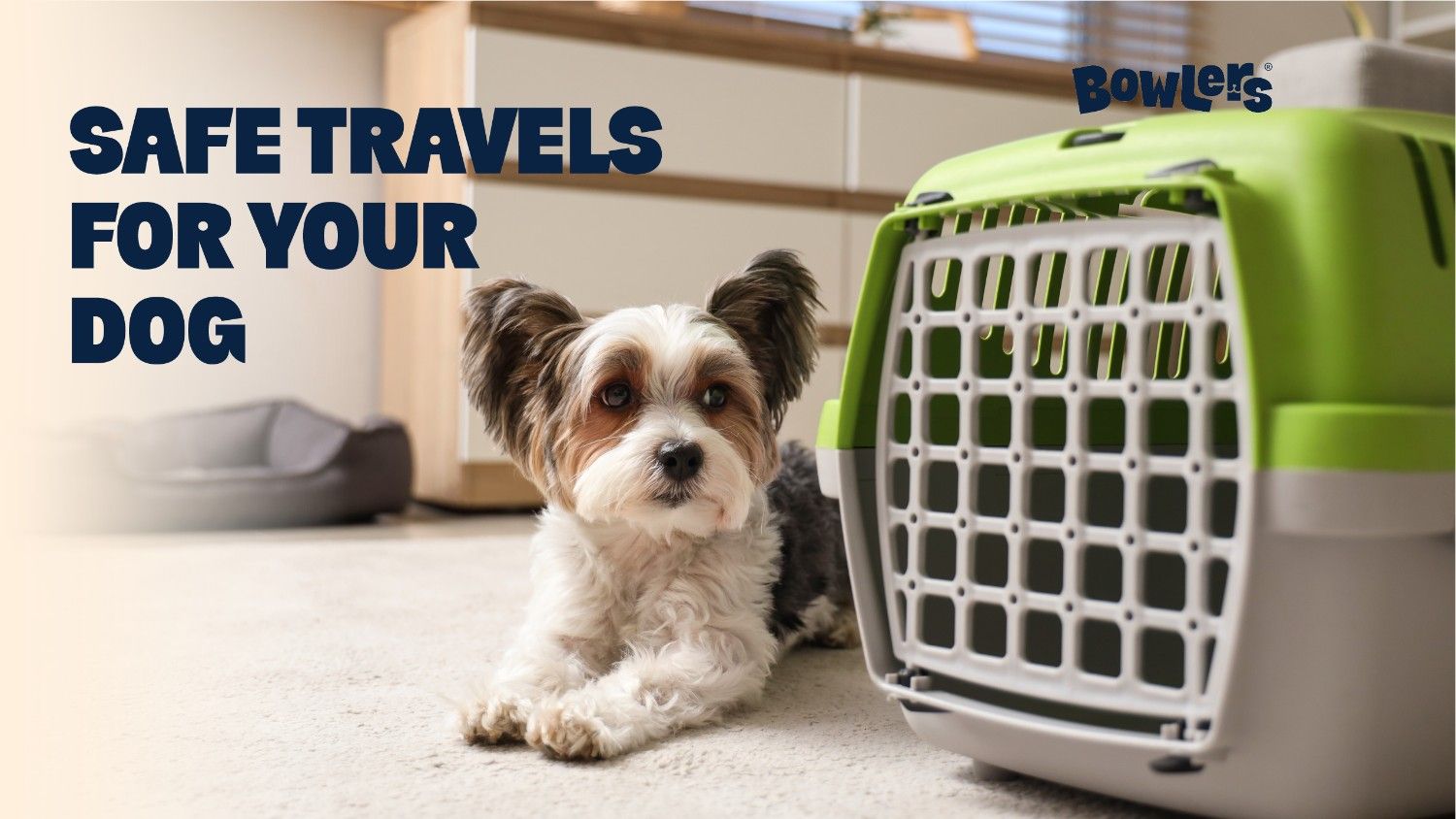
Table of contents
- 1. Why a Travel Crate Is Non-Negotiable
- 2. Choosing Between Safe Dog Carriers and Crates
- 3. Airline Approved Pet Carrier Requirements
- 4. Portable Dog Crate for Road Trips
- 5. Safety Tips for Different Modes of Travel
- 6. Preparing Your Dog for Crate Travel
- 7. Essential Travel Accessories Dogs Need
- 8. Ventilation and Temperature Control
- 9. Supporting Travel with Proper Nutrition
- Final Thoughts
Travelling with your dog requires planning, preparation, and the right safety equipment. Whether you are heading out on a short drive or booking a flight, choosing the right travel accessories dogs need can prevent stress and reduce risk.
Among all travel essentials, a properly sized dog travel crate or carrier is the most important. It keeps your dog contained, secure, and comfortable throughout the journey.
If you are still building your complete checklist, refer to our guide on Essential Dog Accessories Every Pet Owner Needs, which covers everyday essentials beyond travel gear.
This article focuses specifically on selecting crates and carriers for safe transport.
1. Why a Travel Crate Is Non-Negotiable
Allowing a dog to move freely inside a moving vehicle is unsafe. Sudden braking or sharp turns can lead to serious injury.
A properly sized dog travel crate:
- Prevents distraction while driving
- Reduces injury risk during sudden stops
- Creates a defined, secure space
- Minimises anxiety in unfamiliar environments
Crate travel is also safer than holding your dog on your lap or using unsecured restraints.
2. Choosing Between Safe Dog Carriers and Crates
Pet parents often confuse carriers with crates. Both serve important but slightly different purposes.
Safe Dog Carriers
A safe dog carrier is usually lightweight and designed for portability. It works best for small breeds and short trips.
Look for:
- Reinforced seams
- Proper airflow panels
- Padded interiors
- Secure zip or latch systems
Many small-breed owners prefer carriers for quick visits or cabin travel.
Safe Hard-Shell Crates
Hard-sided options are better suited for medium to large breeds. They offer more structural strength and are typically required for cargo air travel.
Features to prioritise:
- Impact-resistant material
- Metal ventilation grilles
- Secure locking door
- Stable base
Sizing Guidelines for Travel Accessories Dogs Use
Correct sizing is essential. A crate should allow your dog to:
- Stand without crouching
- Turn comfortably
- Lie down fully
Oversized crates can be unsafe during transport, while undersized ones restrict movement and airflow. Measure height and length before purchasing.
3. Airline Approved Pet Carrier Requirements
If flying, always confirm airline regulations in advance. An airline approved pet carrier must meet strict criteria.
Typically, airlines require:
- Specific dimension limits
- Adequate ventilation on multiple sides
- Leak-proof flooring
- Secure fasteners
- Clearly labelled identification
Some airlines allow small dogs in-cabin, while larger breeds must travel in the cargo hold using an approved crate. Documentation, vaccination records, and health certificates may also be required.
4. Portable Dog Crate for Road Trips
For road travel, a portable dog crate offers flexibility. Many models are foldable and lightweight while maintaining structural stability.
Benefits include:
- Easy storage when not in use
- Quick assembly
- Reduced weight
- Compatibility with most car boots
Crates should be secured with seat belts or placed in stable vehicle sections to prevent sliding.
During long drives, hydration and feeding consistency are equally important. Our blog on Must-Have Feeding Bowls and Water Dispensers for Dogs explains how to manage food and water safely during travel.
5. Safety Tips for Different Modes of Travel
By Car/Road:
Travelling with your pet in your own vehicle is the most convenient option, but you can also explore cab services like PawSpace or Pet Relocation Services India for shorter trips.
- Secure the crate using straps or seat belts
- Avoid front seat placement to avoid distracting the driver
- Never leave your dog unattended inside a parked vehicle
- Schedule regular stops for water and bathroom breaks
By Train:
The IRCTC allows pets to be carried only in 1st class compartments, when the entire cabin/coupe is allotted to a single group (with same PNR Number). However, tiny puppies that can be carried in baskets are allowed in any class.
- Reach the railways policies carefully before making your booking
- Keep your dog confined inside their crate
- Carry identification and documentation
- Maintain cleanliness throughout the journey
By Flight/Air:
Airlines like Air India, and Akasa Air are the best choices for hassle-free travel with pets. However, advanced booking is recommended as pet slots are often limited.
- Carefully check the airline website for their policies on pet travel before booking
- Arrive early for check-in procedures
- Label the carrier with the correct contact information
- Avoid sedation unless prescribed by a veterinarian
6. Preparing Your Dog for Crate Travel
Dogs should be introduced to crates gradually before long journeys. Gradual exposure reduces anxiety.
Steps include:
- Allowing your dog to explore the crate at home
- Placing familiar bedding inside
- Rewarding calm behaviour
- Taking short practice trips or drives
This reduces anxiety and helps your dog associate the crate with safety rather than confinement. Proper rest also supports stress reduction during travel. Selecting supportive bedding is discussed in Top Dog Beds for Different Sizes and Sleeping Styles.
7. Essential Travel Accessories Dogs Need
In addition to a crate or carrier, pack:
- Collapsible food and water bowls
- Leash and harness
- Waste bags
- Vaccination records
- First-aid kit
- Familiar blanket or a favourite toy
Preparation prevents avoidable stress during travel.
8. Ventilation and Temperature Control
Airflow is critical inside both crates and safe dog carriers.
Ensure:
- Multiple ventilation panels
- No direct exposure to harsh sunlight
- Adequate airflow in vehicles
Avoid covering ventilation openings unless required for airline regulations. Extreme heat can become dangerous quickly. Temperature regulation must always be monitored.
9. Supporting Travel with Proper Nutrition
Travel can disrupt routines and digestion. Consistent feeding schedules and complete nutrition help maintain stability during trips.
Bowlers dog food provides balanced protein, prebiotics for digestive support, and essential nutrients that help dogs maintain energy and immune health even during routine changes.
Final Thoughts
A reliable dog travel crate or airline approved pet carrier is not optional. It is a fundamental safety investment. Choosing the right size, material, and ventilation ensures your dog travels securely and comfortably across any mode of transport. Investing in high-quality travel accessories dogs rely on ensures that both short trips and long journeys remain secure and manageable.