Never Lose Your Dog Again: ID Tags and GPS Trackers Explained
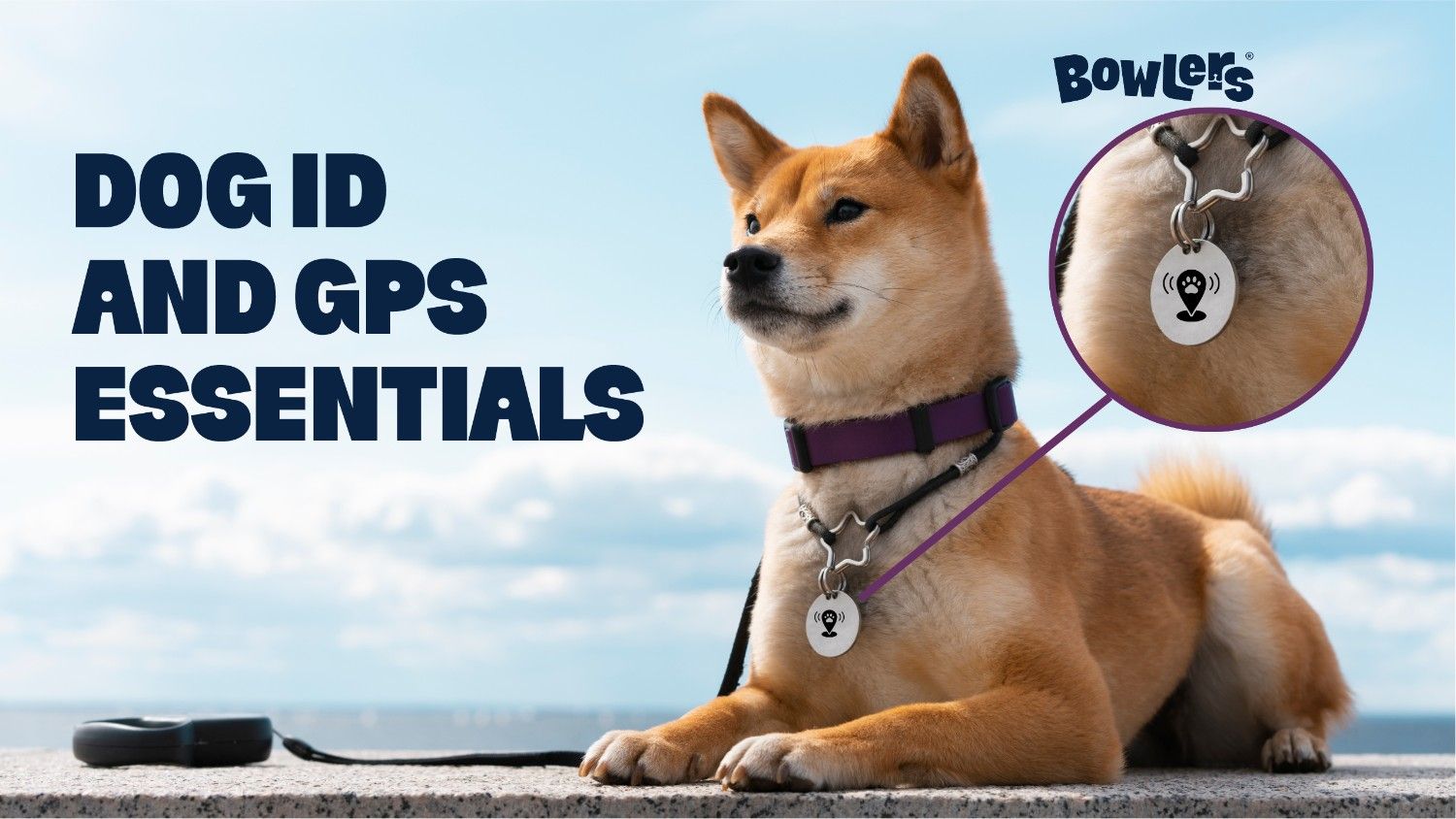
Table of contents
- Why Every Dog Needs Visible Identification
- Microchips: A Reliable Backup
- When to Consider GPS Trackers
- Understanding Dog Locator Devices
- Best GPS Collars vs Clip-On Trackers
- Identification During Travel
- 7. Hygiene Tips Every Pet Parent Should Follow
- Maintenance and Routine Checks
- Supporting Overall Safety Through Health
- Common Oversights to Avoid
- Final Thoughts
- Frequently Asked Questions
Losing a dog is every pet parent’s worst fear.
Even the most obedient puppy can slip out during a walk, a loud celebration, or a momentary distraction at the park. If that happens, identification is the fastest way to ensure a safe return home.
Simple tools like dog ID tags and modern tracking technology add a critical layer of protection. If you are building your complete safety checklist, our guide on Essential Dog Accessories Every Pet Owner Needs explains how identification fits into everyday pet care.
This article focuses specifically on choosing the right pet safety tags, tracking systems, and locator devices.
Why Every Dog Needs Visible Identification
A collar with clear contact details allows anyone who finds your dog to reach you immediately. Unlike digital systems, this method requires no scanning device or app.
Well-made pet safety tags should:
- Display at least one working phone number
- Use durable, rust-resistant material
- Have clear, deep engraving
- Be securely attached
Check tags regularly to ensure the text remains readable.
Proper collar fit also matters. If the collar slips off, identification becomes useless. You can read more about secure fittings in Best Dog Collars and Harnesses for Safety and Comfort.
Microchips: A Reliable Backup
While visible tags are essential, microchips add a permanent layer of security. They store identification details that veterinarians and shelters can scan.
Best practice includes:
- Using both a tag and a microchip
- Updating registration details after any move
- Keeping emergency contacts current
Tags offer immediate visibility, while microchips provide verification if the collar is lost.
When to Consider GPS Trackers
For dogs who roam large properties, visit parks frequently, or travel often, real-time tracking may offer additional peace of mind. Many GPS trackers dogs wear today connect to mobile apps and show live location updates.
These devices typically provide:
- Real-time tracking
- Location history
- Safe-zone alerts
- Rechargeable batteries
They attach to a collar and work best when fitted securely.
Understanding Dog Locator Devices
Not all dog locator devices function the same way. Some rely on GPS with cellular networks, while others operate using Bluetooth range.
GPS-based systems work across longer distances and are suitable for outdoor use. Bluetooth trackers are better for close-range monitoring, such as inside homes or apartment buildings.
Choosing between these options depends on your dog’s routine and environment.
Best GPS Collars vs Clip-On Trackers
When comparing options, you will come across integrated collars and detachable units.
The best GPS collars combine a tracking unit directly within the collar design. This reduces movement and keeps the device stable.
Clip-on trackers, on the other hand, attach to existing collars. They are flexible and can be moved between accessories, but must be checked regularly to ensure they remain secure.
Identification During Travel
Identification becomes even more important when visiting unfamiliar locations. New environments increase the risk of disorientation.
Before any trip, confirm that tags are secure and trackers are charged. Secure transport is equally important. Our blog on Travel Carriers and Crates to Keep Dogs Secure on Trips explains how containment and identification work together during travel.
7. Hygiene Tips Every Pet Parent Should Follow
Even the safest of safe dog dishes require regular cleaning.
Best hygiene practices
- Wash bowls daily
- Use mild, pet-safe soap
- Rinse thoroughly
- Dry completely before reuse
Water bowls should be refreshed at least once daily to prevent bacterial growth.
Clean feeding tools protect your dog’s digestive health.
Maintenance and Routine Checks
Safety tools require ongoing attention.
Set reminders to:
- Check tag engraving every few months
- Confirm phone numbers remain correct
- Recharge tracking devices
- Replace worn attachment rings
Small checks can prevent large problems.
Supporting Overall Safety Through Health
Alertness and responsiveness improve when dogs are physically healthy. Consistent, balanced nutrition helps maintain energy levels and cognitive function.
Bowlers dog food provides complete and balanced meals with quality protein, essential vitamins, and digestive support nutrients that contribute to overall vitality. Strong health complements good training and reliable identification systems.
Common Oversights to Avoid
Many pet parents unintentionally weaken their safety plan by:
- Using decorative tags without contact details
- Forgetting to update numbers after changing SIM cards
- Allowing tracker batteries to drain
- Assuming indoor dogs do not need identification
Every dog, regardless of lifestyle, benefits from proper identification.
Final Thoughts
Reliable dog ID tags form the foundation of pet safety. Adding appropriate GPS trackers dogs can wear daily increases the chances of quick recovery if your dog goes missing. Whether you choose engraved tags, tracking devices, or the best GPS collars, layered protection offers the strongest defence.
Identification is simple, affordable, and highly effective when maintained properly.
Frequently Asked Questions
1. Are GPS trackers dogs wear safe for everyday use?
Yes, if they are lightweight, waterproof, and securely attached.
2. How do dog locator devices work?
Some use GPS and cellular networks for long-range tracking, while others rely on Bluetooth for shorter distances.
3. Is a microchip enough without a visible tag?
No. Visible identification allows faster contact without requiring a scanner.
4. What information should dog ID tags include?
At minimum, your dog’s name and a working phone number.
5. What are the best GPS collars for active dogs?
Choose models with real-time tracking, geo-fencing alerts, and long battery life.
6. Do indoor dogs need pet safety tags?
Yes. Indoor dogs can escape through open doors or during emergencies.
7. How do dog locator devices work?
Some use GPS with mobile networks for long-range tracking, while others use Bluetooth for short-range monitoring.
8. Should I microchip my dog if I already use a GPS tracker?
Yes. Microchips provide permanent backup identification.
9. How often should I check my dog’s ID and tracking system?
Inspect weekly and update details immediately after any contact changes.