Family Bonding in Joint Families with Pets
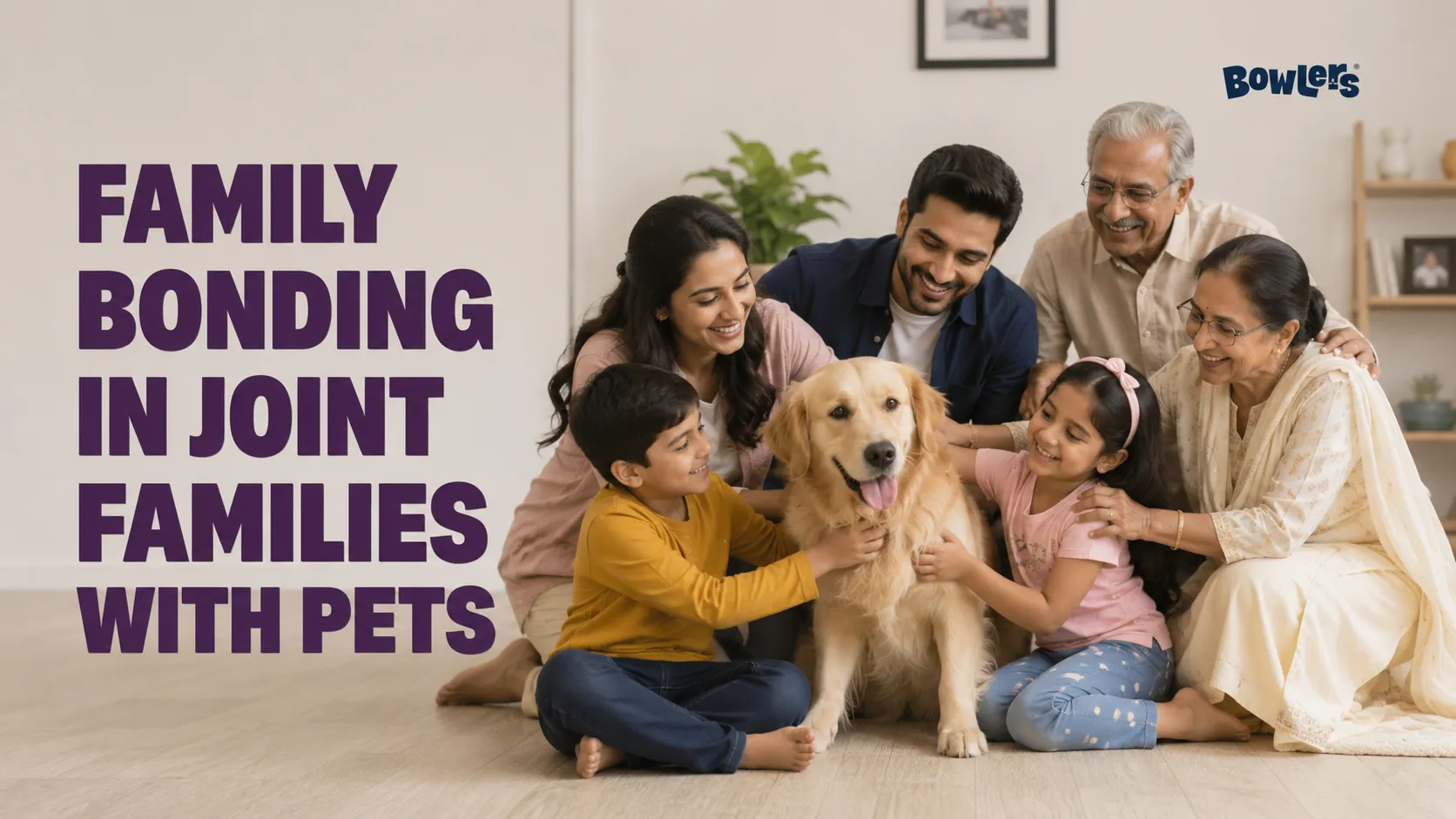
There’s a joke many Indian families can relate to: in a house with three generations, five opinions, and two TV remotes, the only one everyone agrees on is the dog.
Joint families are full of love, laughter, traditions and occasionally, differences of opinion. Grandparents, parents, teenagers, and young children all have different routines, preferences, and personalities. Yet, when a dog becomes part of the family, something remarkable happens. They become everyone’s companion, creating shared moments that naturally bring people together.
Today, even as many Indian households adopt a more nuclear lifestyle while continuing to live in joint family setups, dogs are becoming cherished family members rather than just pets. The benefits of having a pet in joint family India go far beyond companionship, they encourage family bonding, reduce stress, teach responsibility, and create memories across generations.
If you’re wondering whether a dog is the right addition to your home, here’s how one furry friend can strengthen your family’s relationships.
The Dog: A Friend to Every Generation
One of the biggest advantages of having a dog in a joint family is that everyone naturally becomes involved in caring for them.
Morning greetings, feeding time, evening walks, play sessions, and bedtime cuddles slowly become shared rituals. These small daily moments create opportunities for conversations and quality time that might not happen otherwise.
It’s common to see grandparents who initially said, “We don’t need another responsibility,” becoming the first ones to wake up and check if the dog has eaten.
Children find a playmate.
Parents find a stress reliever.
Grandparents find a loyal companion.
Evening walks often become a family activity where a grandfather holds the leash, parents chat about their day, and children happily run alongside the dog. Without anyone planning it, the dog becomes the reason everyone spends time together.
Dogs also bridge the generation gap. Conversations that usually revolve around work, studies, or technology often shift to funny stories about the dog, creating moments of laughter that everyone enjoys.
What Every Family Member Gains
A family dog contributes differently to each person’s life, making them a truly shared companion.
| Family Member | Primary Benefit | Daily Interaction |
| Young Children (3–12 years) | Emotional development, confidence, playmate | Playing, supervised feeding, gentle grooming |
| Teenagers | Responsibility, companionship, stress relief | Walking, training, feeding |
| Parents | Family bonding, shared routine, relaxation | Feeding, vet visits, exercise |
| Grandparents | Companionship, purpose, gentle physical activity | Spending time together, short walks, treats |
This is why family bonding with dogs in India has become increasingly common in multi-generational households.
Thinking About Getting a Dog? Have the Conversation First
Bringing home a dog is a family decision, especially in a joint household.
Some family members may worry about:
- Allergies
- Cleaning and maintenance
- Expenses
- Barking or noise
- Who will take care of the dog every day
These concerns are valid and should be discussed openly before making a decision.
Instead of surprising everyone with a puppy, organise a family discussion. Talk about everyone’s expectations, lifestyle, and responsibilities.
The One Rule That Makes Joint Family Pet Parenting Easier
A dog shouldn’t belong to just one person, it should belong to the family.
Create a simple “family dog routine” where responsibilities are shared.
For example:
- Grandparents can supervise daytime companionship.
- Parents can coordinate veterinary visits and nutrition.
- Teenagers can handle evening walks.
- Younger children can refill water bowls or help during feeding under supervision.
When everyone contributes, caring for the dog becomes enjoyable instead of overwhelming
Dogs Help Ease Family Stress
Every family experiences stressful moments.
Different parenting styles, busy work schedules, school pressures, and everyday responsibilities can sometimes create tension.
Interestingly, dogs often become the family’s emotional reset button.
A playful wagging tail has a way of interrupting disagreements.
A short walk with the dog offers a chance to cool down after a stressful day.
Simply petting a dog has been shown to lower cortisol, the body’s primary stress hormone while encouraging the release of oxytocin, often called the “feel-good hormone.”
For grandparents managing age-related stress or blood pressure, spending quiet time with a dog can also become a comforting daily routine.
While dogs don’t solve family disagreements, they often remind everyone to pause, smile, and reconnect.
Bringing a Dog Into a Joint Family Home
Introducing a dog into a busy household is easier when everyone prepares together.
Here are a few practical tips:
1. Plan Together
Discuss the dog’s breed, size, feeding routine, sleeping area, and house rules before bringing them home.
2. Make the Home Safe
Remove hazardous items and create safe spaces for both the dog and younger family members.
3. Introduce Family Members Gradually
Avoid overwhelming your new pet. Let them meet each family member calmly and one at a time.
4. Set a Daily Routine
Decide in advance:
- Who feeds the dog
- Who takes morning and evening walks
- Who schedules veterinary visits
- Who handles grooming
Consistency helps both the dog and the family adjust smoothly.
5. Give Your Dog Their Own Space
Even in a lively joint family, every dog needs a quiet corner where they can rest comfortably.
For Indian households, adaptable breeds such as Labradors, Golden Retrievers, and Indie (Indian Pariah) dogs often adjust well to larger families because of their friendly and social nature.
The Dog Nobody Wanted… But Everyone Loves
Ask enough pet parents, and you’ll hear the same story.
One family member desperately wanted a dog.
Another firmly said, “Absolutely not.”
A few weeks later, the biggest critic becomes the one secretly sharing treats, talking to the dog every morning, and insisting they sleep comfortably.
That’s the magic of dogs.
They don’t care about family disagreements, household chores, or whose turn it is to cook dinner.
They simply offer unconditional love and somehow, that love has a way of bringing everyone closer.
Healthy Dogs Make Happy Families
A happy family begins with a healthy dog.
Proper nutrition supports your dog’s energy, digestion, coat health, and overall wellbeing, allowing them to stay playful, affectionate, and active with every family member.
Bowlers Nutrimax Adult provide complete and balanced nutrition to support:
- Smooth digestion
- Strong muscles
- Healthy skin and shiny coats
- Strong immunity
- Daily energy and vitality
Their easy-to-follow feeding guidelines also make it simple for different family members to share feeding responsibilities.
FAQs
Q1. What are the benefits of having a pet in a joint family in India?
A dog encourages shared routines, improves communication, reduces stress, and creates stronger bonds between family members of all ages.
Q2. Are dogs suitable for large Indian families?
Yes. With shared responsibilities and proper planning, dogs adapt well to large families and often become a loved member of the household.
Q3. How can we divide dog-care responsibilities in a joint family?
Assign age-appropriate tasks such as feeding, walking, grooming, and vet visits so everyone contributes without placing the entire responsibility on one person.
Q4. Which dog breeds are best for joint families in India?
Labradors, Golden Retrievers, and Indie dogs are popular choices because of their friendly temperament, adaptability, and compatibility with family life.
Q5. Can dogs help reduce stress in families?
Yes. Spending time with dogs can lower stress hormones, encourage physical activity, and create opportunities for meaningful family interactions.
Q6. Why is nutrition important for family dogs?
A balanced diet keeps dogs healthy, active, and emotionally balanced, allowing them to enjoy daily activities and build stronger relationships with every family member.