Kids & Family Growth Benefits of Having a Dog
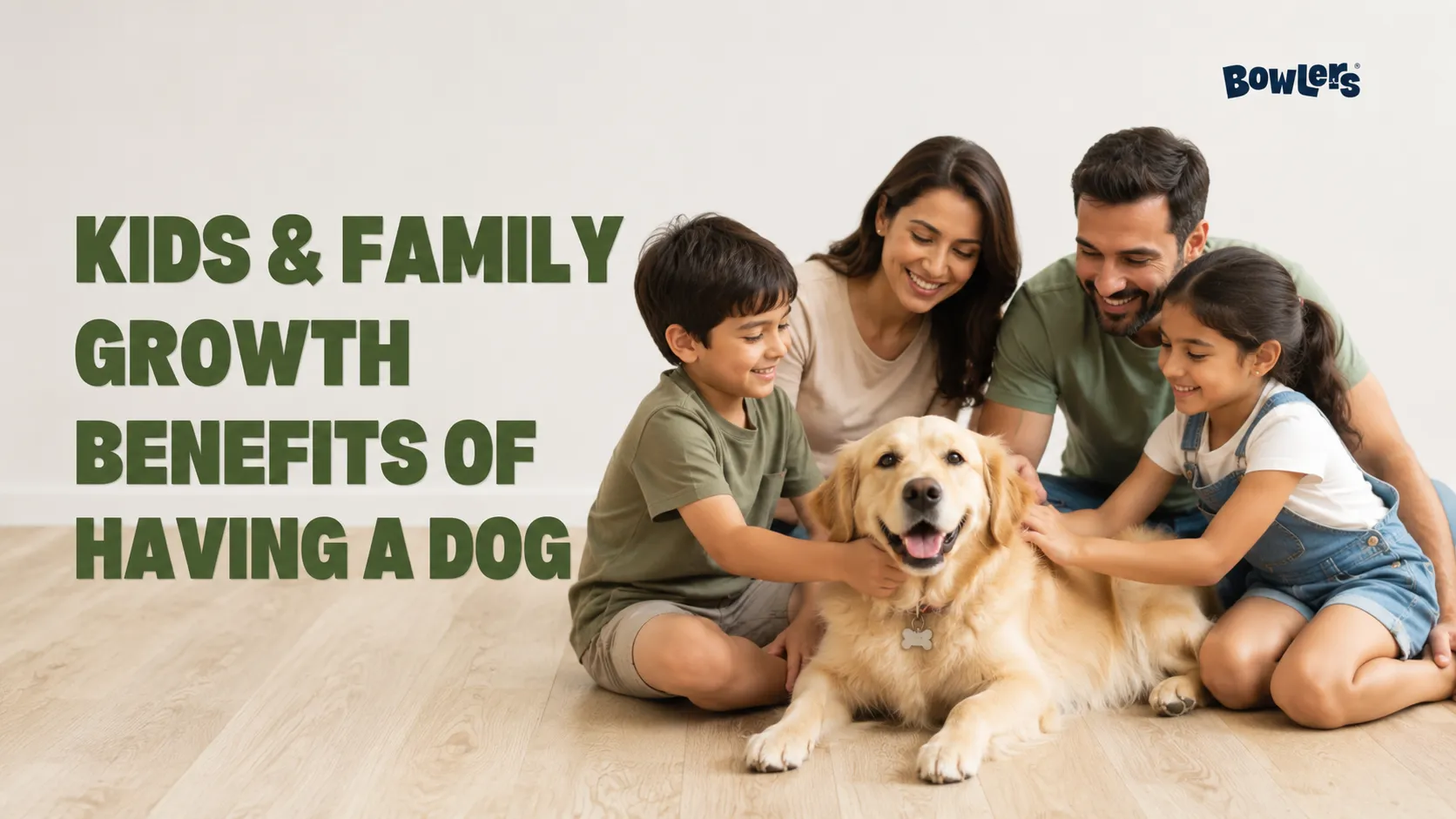
Table of contents
- Why Dogs Are More Than Just Pets
- The Emotional Development Connection
- Physical Health Benefits: More Than Just Exercise
- Cognitive & Academic Growth
- Teaching Responsibility: The Life Skill No School Teaches
- Family Bonding: The Dog as the Family's Glue
- Mental Health Benefits for Parents Too
- Choosing the Right Dog for an Indian Family
- FAQs
There’s a reason your child asks for a dog almost every year and science suggests they may be onto something.
Across India, dogs are no longer seen only as guard animals or outdoor companions. Today, they are cherished family members who share our homes, routines, and even our celebrations. With India’s pet care industry witnessing significant year-on-year growth, more nuclear and joint families are welcoming dogs into their lives, especially after 2020.
While the joy of having a dog is obvious, the benefits of having a dog for kids go far beyond playtime. From building empathy and responsibility to encouraging healthier lifestyles and stronger family bonds, dogs positively influence every member of the household.
In this guide, we’ll explore the emotional, physical, cognitive, and social benefits of raising children alongside dogs. We’ll also help you choose the right companion for your family and explain why proper nutrition from Bowlers Dog Food India is essential for keeping your family dog healthy and happy.
Why Dogs Are More Than Just Pets
A dog quickly becomes a trusted friend, a playmate, and often a child’s first best friend. Unlike toys or gadgets, dogs interact, respond, and build relationships. This everyday companionship teaches children valuable life lessons that textbooks simply cannot.
Whether you live in a busy apartment in Bengaluru or a joint family home in Jaipur, the benefits of having a dog for family in India are becoming increasingly evident.
The Emotional Development Connection
Why Indian Kids in Nuclear Families Benefit the Most
Modern childhood looks very different today. Smaller families, busy parents, and increased screen time mean many children spend more time alone than previous generations.
A dog fills that emotional gap naturally.
Studies in child psychology suggest that children raised with pets often develop greater empathy because they learn to recognise emotions through body language, behaviour, and daily interaction. Dogs communicate without words, encouraging children to become more observant and emotionally aware.
Dogs also provide a safe emotional outlet.
Whether a child has had a difficult day at school or feels anxious before an exam, spending time with a dog can be comforting. Dogs don’t judge, criticize, or compare; they simply offer companionship and unconditional affection. This consistent acceptance helps build confidence and emotional security over time.
For only children, especially in urban Indian households, a dog often becomes like a sibling/someone to play with, care for, and grow alongside.
This is one of the biggest reasons why dogs are good for children during their formative years.
Physical Health Benefits: More Than Just Exercise
Dogs naturally encourage families to be more active.
Morning walks, evening play sessions, and weekend park visits become enjoyable family routines instead of chores. Children who grow up with dogs tend to spend more time outdoors, helping reduce excessive screen time.
Research also suggests that early exposure to pets may support healthier immune system development by exposing children to diverse microbes during early childhood concept often referred to as the “hygiene hypothesis.”
Beyond physical activity, interacting with dogs has also been associated with lower cortisol (stress hormone) levels, promoting relaxation and emotional well-being.
Many families also report that children sleep better after spending active time with their dogs during the day.
Cognitive & Academic Growth
Dogs contribute to learning in surprising ways.Children often feel more comfortable reading aloud to dogs because they don’t fear being corrected or judged. This relaxed environment can help improve reading confidence and communication skills.
Caring for a dog also strengthens executive functioning the mental skills responsible for planning, organisation, and consistency. Feeding schedules, walk timings, and recognising behavioural changes all require observation and routine.
Children also develop stronger problem-solving skills by learning to understand their dog’s needs.
Is the dog hungry?
Does it need water?
Why is it behaving differently today?
These everyday observations encourage critical thinking and responsibility.
Growing up with dogs may even contribute positively to language development, as children naturally communicate more while interacting with pets.
Teaching Responsibility: The Life Skill No School Teaches
Few experiences teach accountability as naturally as caring for a dog.
Children quickly learn that feeding, grooming, walking, and playing with a dog are responsibilities not optional tasks.
These daily routines help develop discipline, consistency, and compassion.
Age-Appropriate Dog Care Responsibilities
| Child’s Age | Responsibilities |
| 3–5 years |
Refill the water bowl, gentle petting, carry the leash with supervision |
| 6–9 years |
Measure food portions, help with grooming, clean feeding bowls |
| 10–13 years |
Morning or evening walks, monitor feeding routines, learn vaccination schedules |
| 14+ years |
Manage feeding schedules, accompany vet visits, assist with training sessions |
As children grow, these responsibilities become valuable life skills that carry into school, friendships, and eventually professional life.
Learning to care for another living being builds patience, accountability, and empathy qualities every parent hopes to nurture.
Family Bonding: The Dog as the Family’s Glue
One of the most overlooked benefits of having a dog for family in India is the way dogs bring people together.
Every family member contributes in some way feeding, walking, grooming, or simply spending quality time together.
Evening walks become family rituals.
Weekend outings become more active.
Daily conversations naturally revolve around the newest family member.
In Indian joint families, dogs often bridge generational gaps. Grandparents enjoy their companionship, parents appreciate the emotional support they provide, and children gain a lifelong friend.
Even during stressful moments, a dog’s playful behaviour has an incredible way of lightening the atmosphere.
Mental Health Benefits for Parents Too
While children often receive the spotlight, parents benefit immensely from having a dog as well.
Parenting comes with daily responsibilities and stress. Spending time with a dog has been shown to promote relaxation by increasing oxytocin, the hormone associated with bonding and emotional well-being.
Dogs also encourage adults to maintain healthier routines through regular walks and outdoor activities.
Families with dogs often become more socially connected too. Daily walks create opportunities to meet neighbours, interact with fellow pet parents, and strengthen community relationships.
For working parents, a family dog can also provide companionship to children during after-school hours, helping reduce feelings of loneliness.
The positive dog and children relationship benefits often extend to every member of the household.
Choosing the Right Dog for an Indian Family
Every family has unique needs, so choosing the right dog deserves careful thought.
Before bringing a dog home, consider:
-
Apartment or independent house
-
Children’s ages
-
Family activity levels
-
Time available for daily care
-
Allergy considerations
Some breeds that adapt well to Indian families include:
-
Labrador Retriever
-
Golden Retriever
-
Beagle
-
Indie (Indian Pariah Dog)
Many families are also choosing adoption, giving rescued dogs a loving second chance.
Once you’ve welcomed your new companion, nutrition becomes the foundation of their health, behaviour, and overall well-being.
Healthy dogs are more energetic, emotionally balanced, and patient around children.
That’s why many families choose Bowlers Nutrimax Adult Dog Food and Bowlers Nutrimax Puppy recipes designed with balanced nutrition, quality protein, and digestive support to help dogs thrive throughout every stage of life.
Related Products:
- Bowlers Nutrimax Puppy
Final Thoughts
The benefits of having a dog for kids extend far beyond companionship. Dogs help children become more empathetic, responsible, active, and emotionally resilient while strengthening relationships across the entire family.
Like any family member, a dog thrives with love, routine, and proper nutrition. Choosing a balanced diet such as Bowlers Nutrimax Adult helps support your dog’s health so they can continue bringing joy to your home for years to come.
Continue Reading:
-
Growing Up With a Dog: Why Indian Kids Learn Faster
-
Teaching Responsibility: How Dogs Make Children Kinder
-
Family Bonding in Joint Families with Pets
-
Best Dog Food in India
FAQs
1. What is the best age to introduce a dog to children?
Children of almost any age can grow up with dogs, provided interactions are supervised and both the child and dog are introduced gradually.
2. Are dogs safe around babies and toddlers?
Yes. With proper training, supervision, and hygiene, dogs can safely live alongside young children and become lifelong companions.
3. Which dog breeds are best for Indian families with kids?
Labrador Retrievers, Golden Retrievers, Beagles, and Indie dogs are known for their friendly temperament and adaptability.
4. How do dogs help child development?
Dogs encourage empathy, responsibility, communication, emotional confidence, and active lifestyles, supporting healthy overall development.
5. How can I teach my child to care for a dog?
Start with simple daily tasks like refilling the water bowl or measuring food, then gradually introduce responsibilities such as walks, grooming, and feeding routines.
6. Why is nutrition important for family dogs?
A balanced diet helps maintain healthy digestion, strong immunity, sustained energy, and an even temperament making dogs happier companions for the whole family.