Must-Have Feeding Bowls and Water Dispensers for Dogs
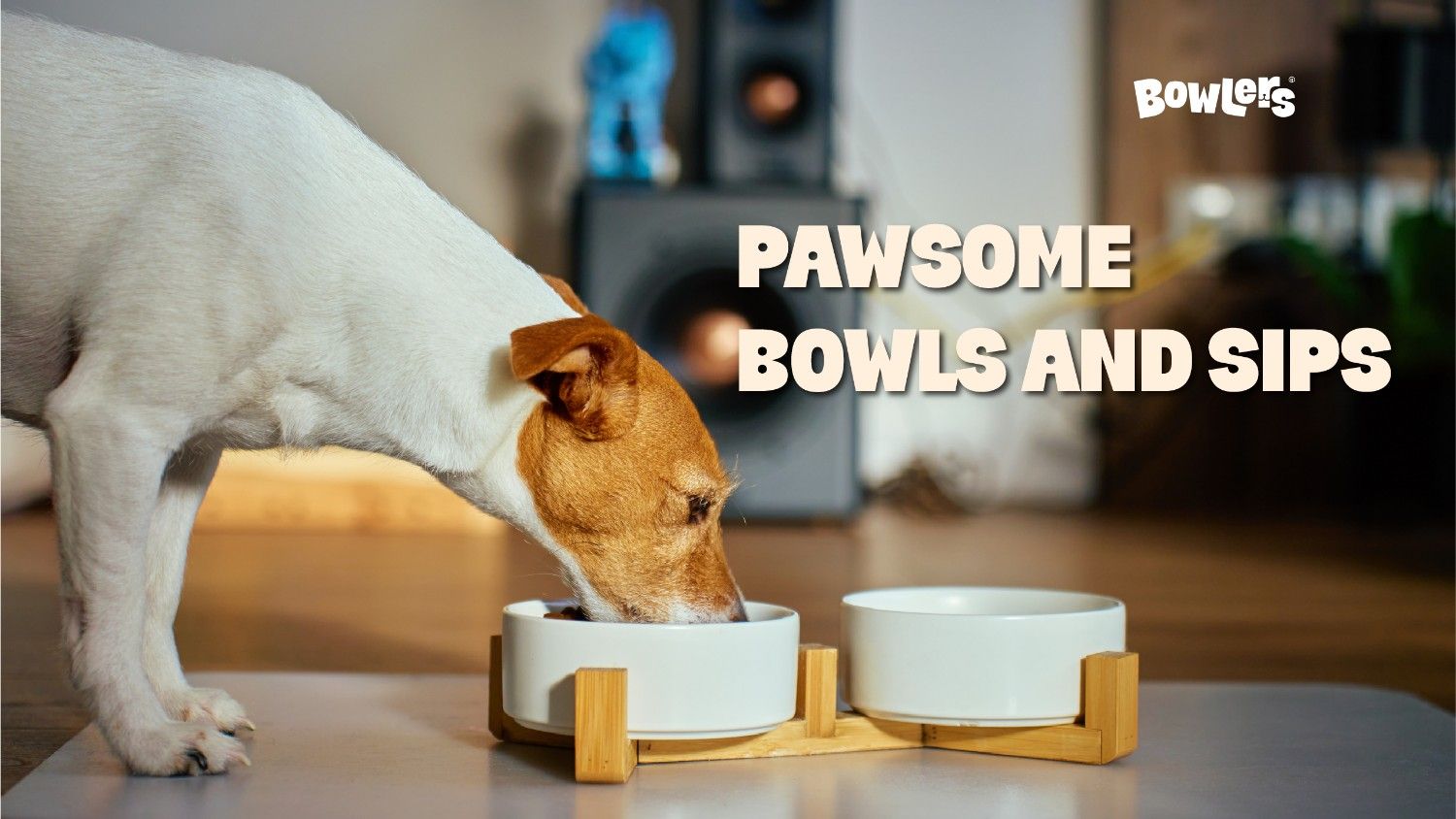
Table of contents
- 1. Why the Right Feeding Bowl Matters More Than You Think
- 2. Stainless Steel Pet Bowls: The Gold Standard
- 3. Slow Feeder Dog Bowls for Fast Eaters
- 4. Elevated Bowls for Better Posture
- 5. Automatic Water Dispenser Dogs Can Rely On
- 6. Choosing the Right Bowl Size
- 7. Hygiene Tips Every Pet Parent Should Follow
- 8. Stability and Anti-Slip Features
- 9. Common Mistakes to Avoid
- Final Thoughts
- Frequently Asked Questions
Mealtime is sacred in a dog’s world. The sound of kibble hitting a bowl can summon a dog from three rooms away, through closed doors, and possibly across dimensions. But beyond the excitement, the tools you use matter deeply. The right dog feeding bowls and water systems influence digestion, posture, hygiene, and long-term health.
Many pet parents focus heavily on food quality but overlook the importance of safe dog dishes and hydration solutions. The right setup prevents choking, reduces mess, and ensures your dog always has access to clean water.
If you are building your full checklist, our parent guide on Essential Dog Accessories Every Pet Owner Needs explains how feeding tools fit into your dog’s daily care routine.
This article focuses on choosing the best bowls and dispensers based on your dog’s habits, size, and health needs.
1. Why the Right Feeding Bowl Matters More Than You Think
Dogs interact with their feeding bowls multiple times a day. Poorly designed bowls can lead to fast eating, neck strain, and bacterial buildup.
Good dog feeding bowls help:
- Improve digestion
- Maintain clean eating habits
- Support proper posture
- Reduce food contamination
A thoughtful choice ensures that every meal is safe, comfortable, and stress-free.
2. Stainless Steel Pet Bowls: The Gold Standard
Among all materials available, stainless steel pet bowls are widely considered the safest and most durable option.
Why stainless steel is the best choice
- Resistant to rust and corrosion
- Does not absorb odours
- Easy to clean and disinfect
- Extremely durable
Unlike plastic, stainless steel does not develop scratches easily. Scratches can harbour bacteria, which may affect your dog’s health over time. For Indian households, stainless steel is especially practical due to its durability in humid and warm climates.
3. Slow Feeder Dog Bowls for Fast Eaters
Some dogs eat with the urgency of a ticking clock. Fast eating can cause choking, vomiting, and bloating. A slow feeder dog bowl is designed with ridges or patterns that naturally slow down eating.
Benefits of slow feeder bowls:
- Prevent gulping
- Improve digestion
- Reduce risk of bloating
- Encourage mindful eating
These bowls are particularly useful for Labradors, Beagles, and Indies, who are known for their enthusiastic eating habits. Slow feeding also helps your dog better absorb nutrients from high-quality meals, supporting overall health and energy balance.
Bowlers dog food is formulated with balanced protein and essential nutrients that support digestion, immunity, and coat health. When paired with hygienic feeding tools and consistent routines, it helps ensure your dog receives complete nutritional support every day.
4. Elevated Bowls for Better Posture
Elevated feeding stations raise bowls to chest height, allowing dogs to eat without bending excessively.
Ideal for:
- Large breeds
- Senior dogs
- Dogs with joint pain
- Dogs with neck or spine sensitivity
Elevated bowls reduce strain on joints and improve comfort during meals.
This becomes especially important for older dogs who also benefit from supportive rest, which we cover in Top Dog Beds for Different Sizes and Sleeping Styles.
5. Automatic Water Dispenser Dogs Can Rely On
Hydration is just as important as nutrition. Dogs need constant access to fresh water, especially in warm climates.
An automatic water dispenser for dogs ensures consistent availability throughout the day.
Advantages include
- Continuous fresh water supply
- Reduced need for frequent refills
- Cleaner water compared to open bowls
- Ideal for working pet parents
These dispensers are particularly helpful for active dogs and multi-pet homes. Proper hydration supports digestion, temperature regulation, and kidney health. This becomes even more important when travelling, where portable hydration and secure transport go hand in hand.
Our guide on Travel Carriers and Crates to Keep Dogs Secure on Trips explains how to keep your dog safe, comfortable, and properly supported during journeys.
6. Choosing the Right Bowl Size
Size plays a major role in feeding comfort.
Small dogs
- Shallow bowls
- Smaller diameter
- Lightweight design
Medium dogs
- Medium depth
- Stable base
Large dogs
- Wide, deep bowls
- Heavy base to prevent tipping
Correct sizing prevents spills and ensures easy access to food.
7. Hygiene Tips Every Pet Parent Should Follow
Even the safest of safe dog dishes require regular cleaning.
Best hygiene practices
- Wash bowls daily
- Use mild, pet-safe soap
- Rinse thoroughly
- Dry completely before reuse
Water bowls should be refreshed at least once daily to prevent bacterial growth.
Clean feeding tools protect your dog’s digestive health.
8. Stability and Anti-Slip Features
Dogs often push bowls while eating, especially excited puppies.
Look for bowls with:
- Rubber anti-slip base
- Weighted bottom
- Wide, stable design
Stable bowls prevent spills and reduce frustration during feeding.
9. Common Mistakes to Avoid
Many pet parents unknowingly make feeding setup mistakes.
Avoid:
- Using cracked or scratched bowls
- Choosing bowls that slide easily
- Ignoring bowl size
- Using plastic bowls long term
Simple upgrades can significantly improve your dog’s feeding experience.
Final Thoughts
Feeding bowls and water dispensers may seem like small decisions, but they play a big role in your dog’s daily comfort and health. The right dog feeding bowls, combined with reliable hydration solutions, create a safe and enjoyable mealtime routine.
When chosen thoughtfully, these tools support digestion, hygiene, and overall wellbeing, helping your dog stay energetic, healthy, and happy.
Frequently Asked Questions
1. What are the safest dog feeding bowls?
Stainless steel pet bowls are the safest due to their durability, hygiene, and resistance to bacteria.
2. Do dogs really need slow feeder dog bowls?
Yes, especially fast eaters. Slow feeders improve digestion and prevent choking and bloating.
3. Are automatic water dispensers for dogs safe to use?
Yes, when cleaned regularly, they provide continuous access to fresh water.
4. How often should dog feeding bowls be cleaned?
Puppies need chew toys, training pads, a small comfortable bed, and adjustable walking gear designed for growth.
5. Are plastic bowls harmful for dogs?
Plastic bowls can scratch easily and harbour bacteria. Stainless steel is a safer alternative.
6. Should feeding bowls be elevated?
Not always, but elevated bowls help large breeds and senior dogs maintain comfortable posture while eating.
7. How do I choose the right bowl size?
Choose a bowl large enough for your dog’s portion size without crowding or spilling.