Labrador Retriever: Temperament, Training Needs, and Care
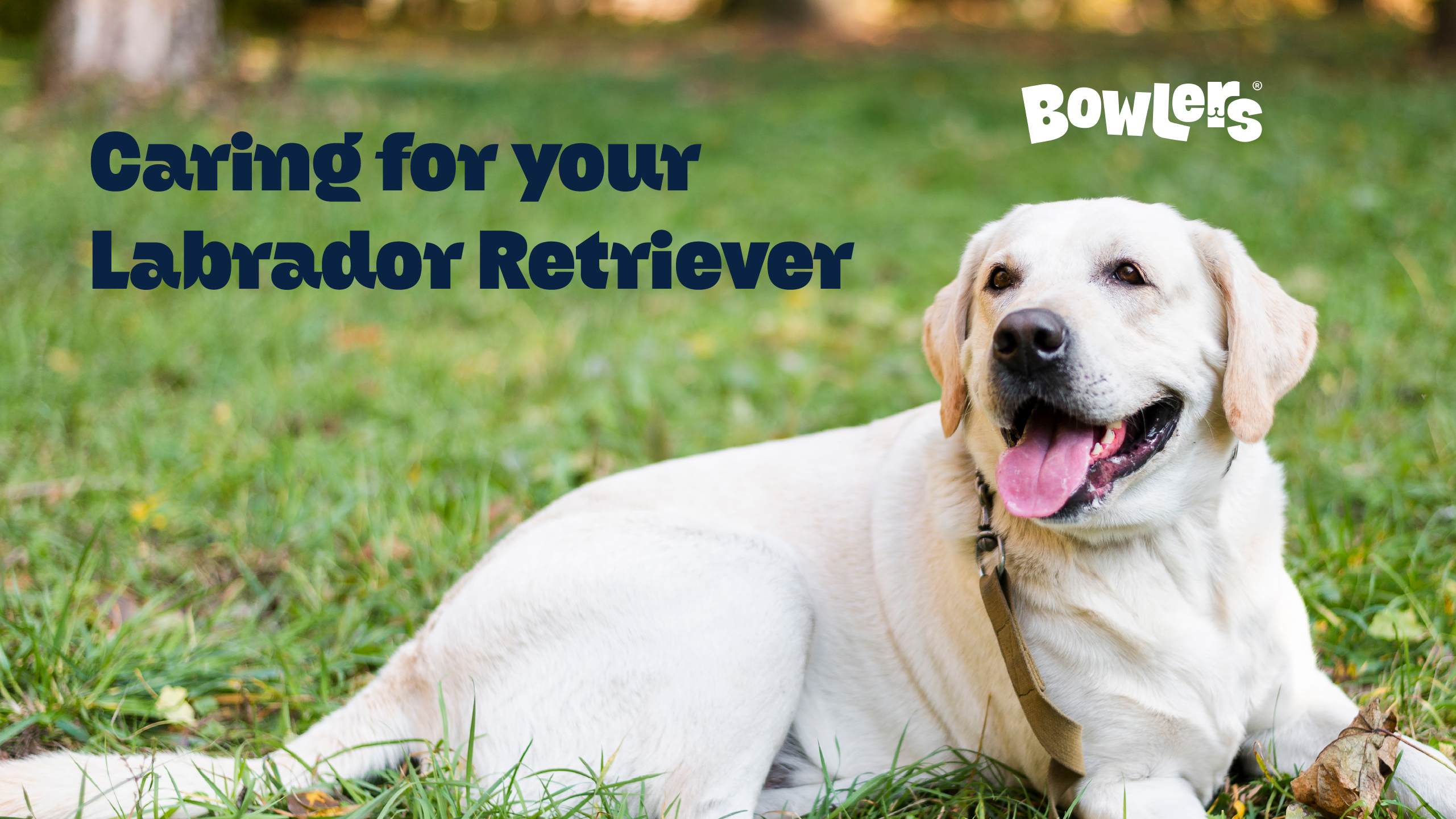
Table of contents
- 🐕Temperament: What Makes Labradors So Beloved?
- 🐕 Training Needs: Raising a Well-Behaved Labrador
- 🐕 Daily Care Guide: Food, Exercise, Health & More
- 🐕 Comparison To Other Breeds
- 🐕 Final Thoughts: Raising a Happy, Healthy Labrador
- 🐕 FAQs: Labrador Retriever Care Guide
- 1. Are Labradors easy to train?
- 2. How much exercise does a Labrador need?
- 3. What should a Labrador eat?
- 4. Do Labradors shed a lot?
- 5. Are Labradors good family dogs?
If you’ve ever seen a Labrador Retriever bounding across a park, tail wagging, ears flapping, and eyes full of joy, you already know why they’re one of the world’s most loved dog breeds.
Labs are friendly, energetic, intelligent, and have incredibly loyal traits that make them wonderful family companions and versatile working dogs.
As part of our “Popular Dog Breeds and Their Unique Characteristics” article, this guide dives deep into everything you need to know about Labrador Retrievers: their temperament, training needs, daily care routines, and how nutrition, including choosing the right dog food plays a vital role in their wellbeing.
🐕Temperament: What Makes Labradors So Beloved?
Labrador Retrievers are often described as the perfect blend of friendliness and enthusiasm. They’re social dogs who thrive in human company, making them ideal for families, active individuals, and even first-time dog parents.
Friendly & Outgoing
Labs get along with almost everyone, kids, adults, strangers, and even other dogs. This makes them great for busy households and social environments. It’s common for new pet parents to wonder, “Are Labradors good with children and other pets?”
Yes, their gentle and tolerant nature makes them excellent family dogs.
Energetic & Playful
Labs love activities running, hiking, swimming, or just a long session of fetch. Their stamina levels are high, and they require regular activity to feel satisfied.
Intelligent & Eager to Please
This combination makes them highly trainable. They respond beautifully to positive reinforcement and pick up commands faster than most other breeds.
If you pets with warm personalities, you could also explore our article on Golden Retrievers in this series
🐕 Training Needs: Raising a Well-Behaved Labrador
Training a Labrador is fun, but it requires consistency because of their energy and enthusiasm.
Start Early
Labrador puppies are full of curiosity. Begin early with essential commands like sit, stay, recall, and leash manners. Early training prevents habits like jumping, chewing, or pulling.
Redirect teething and exploratory chewing with a durable, non-toxic jute chew rope like Bowler’s Chewropes during early training stages.
A common question pet owners often ask is: Are Labradors easy to train compared to other breeds?
Absolutely! Their intelligence and treat-motivation make them one of the easier breeds to train.
Positive Reinforcement Works Best
Labs love food (sometimes too much!), so reward-based training works brilliantly. Use healthy treats or a small portion of their favourite Bowlers pet food!
Mental + Physical Exercise
Labs are happiest when their mind and body are engaged. Consider incorporating:
- Obedience drills
- Puzzle toys
- Retrieval games
- Swimming sessions
- Long structured walks
If you’re curious about how their activity levels compare, German Shepherds require even more structured, high-intensity exercise.
Socialization
Introduce your Lab to people, pets, and new environments. This builds confidence and prevents fear-driven behaviors later.
🐕 Daily Care Guide: Food, Exercise, Health & More
Caring for a Labrador Retriever involves more than love and belly rubs. Their lifestyle needs are specific, especially nutrition and exercise.
Nutrition: The Heart of Labrador Health
Labs love food, making portion control critical. High-quality, balanced bowlers dog food supports their energy levels, coat health, digestion, and joints.
Because they can gain weight easily, many owners wonder: What is the best type of food for a Labrador to prevent obesity?
Look for formulas with:
- High-quality protein
- Omega fatty acids
- Glucosamine for joint health
- Controlled calories
Bowlers offer nutritionally balanced options made specifically for active dogs like Labradors. If you prefer convenience, you can buy dog food online and get consistent, doorstep delivery to maintain their routine without interruption.
Exercise Requirements
Labradors need 1–2 hours of daily activity. Without exercise, they may develop destructive behavior chewing, digging, excessive barking, or hyperactivity.
A question many new Lab parents ask is: how much exercise does a Labrador need to stay healthy?
A mix of physical activity and mental stimulation daily keeps them balanced.
Ideal activities include:
- Fetch
- Running beside you
- Agility training
- Long walks
- Swimming (a Lab’s favorite!)
Compared to Beagles who require lots of scent-based stimulation Labs need more physically demanding playtime.
Grooming Needs
Labs have a water-resistant double coat, which means:
- They shed moderately year-round
- Shedding increases during seasonal changes
- Weekly brushing is ideal
Baths should be occasional, as having too many baths may strip natural oils from their fur.
Keep nails trimmed and ears cleaned regularly.
A common query is: Do Labradors shed more than Golden Retrievers?
Labs shed moderately, but Goldens shed more due to their longer and denser coats.
Emotional & Social Needs
Labradors thrive on companionship. They don’t like being left alone for long hours. They enjoy being around people whether that means joining family outings or relaxing at home.
If you’re someone who works long hours, consider hiring a dog walker or scheduling midday play sessions. A bored Lab is a mischievous Lab!
🐕 Comparison To Other Breeds
While Labradors are known for their balance of energy, friendliness, and intelligence, each breed has its distinct appeal:
- German Shepherds: strong, intelligent, protective, excellent working dogs
- Golden Retrievers: calm, affectionate, great for families
- French Bulldogs: low-energy companions ideal for smaller homes
- Beagles: curious explorers with high scent drive
🐕 Final Thoughts: Raising a Happy, Healthy Labrador
Labrador Retrievers are joyful, enthusiastic, and deeply affectionate. With the right training, exercise, love, and nutrition, they grow into incredible companions.
A well cared for Labrador needs:
- Consistent training
- Plenty of exercise
- Emotional engagement
- Regular grooming
- High-quality pet food designed for active dogs
Whether you’re choosing a Lab puppy or adopting an adult dog, Bowlers supports the nutrition your furry friend needs to be a confident, well-balanced dog.