Electrical Cord and Appliance Safety for Dogs
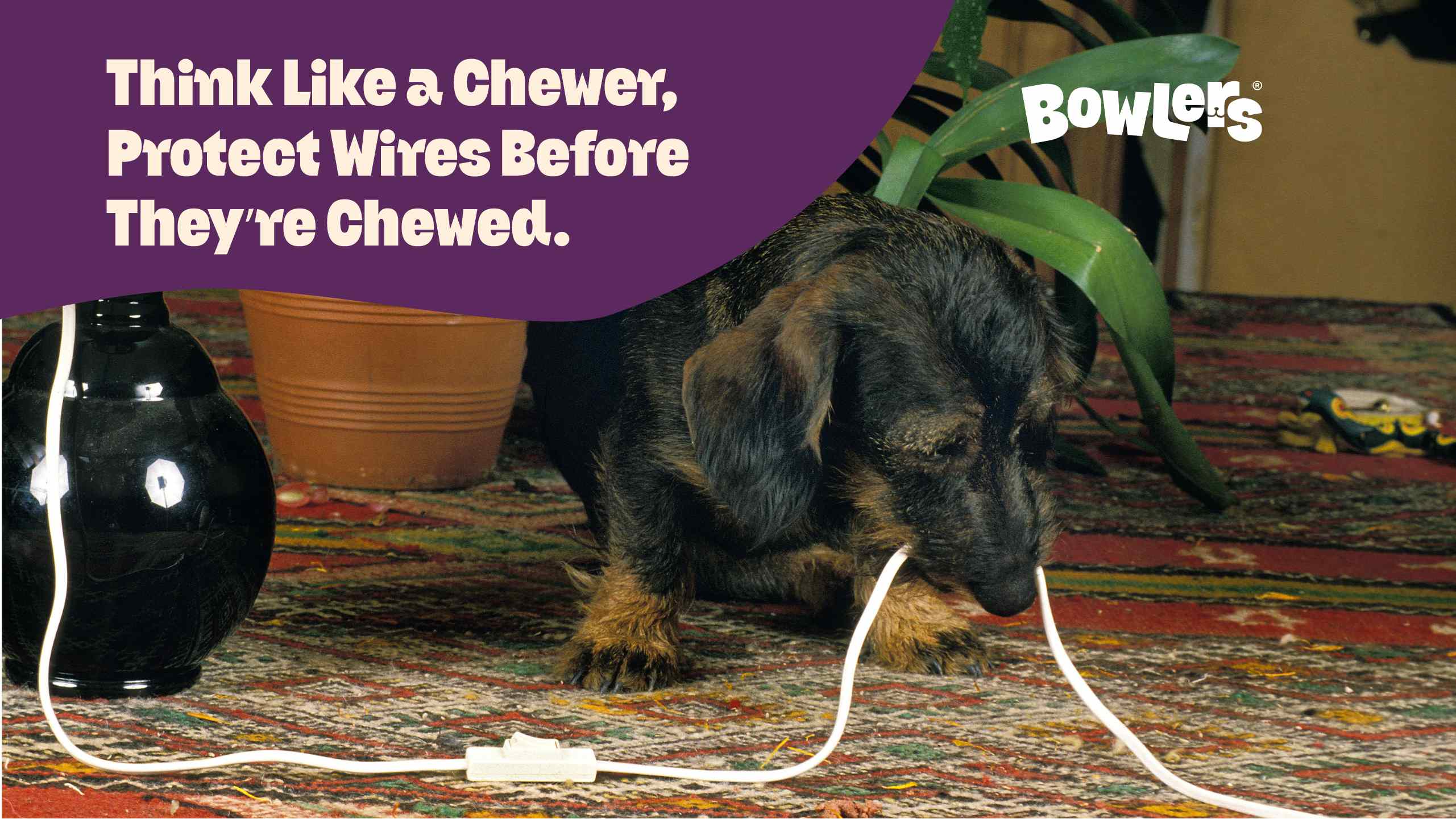
Table of contents
- Why electrical safety matters for dogs
- Identify common electrical hazards at home
- Hide and secure cords
- Unplug when not in use
- Create no-go zones around appliances
- Use pet-deterrent sprays and textures
- Keep appliances stable and elevated
- Watch outdoor electrical hazards
- Supervise puppies and new dogs
- Emergency preparedness
- Healthy energy starts from within
- Consistency is key
- Final Thoughts
- FAQs: Electrical Cord and Appliance Safety for Dogs
When you bring a dog home, you probably puppy-proof the space by hiding shoes and keeping snacks out of reach. One area that often goes unnoticed until it is too late is electrical safety.
From dangling charger cords to unattended irons, modern homes are full of electrical hazards that can put dogs at serious risk. Dogs are curious by nature. They sniff, lick, and chew to explore their world, and that curiosity does not mix well with live wires or powered appliances.
Electrical cord and appliance safety is an essential part of overall dog home safety, both indoors and outdoors. Here is a complete guide to keeping your home powered up and pet-safe.
Why electrical safety matters for dogs
To a playful pup, a charging cable looks like a new chew toy. One bite through a live wire can cause severe electrical burns, shock, or even fatal injury. Even when chewing does not occur, tangled cords create tripping hazards, and a dog may pull down an appliance while playing.
Electrical safety is as important as securing balconies or baby-proofing a kitchen. It is one of the most overlooked areas of pet-safe home design, and addressing it can prevent serious accidents.
Related read: How to Dog-Proof Your Home Room by Room
Identify common electrical hazards at home
Start by spotting the risky spots in your house. Typical problem areas include:
- Loose or exposed cords near TVs, lamps, or behind couches.
- Thin charger cords and power banks that look like chew toys.
- Portable heaters and fans that can be knocked over, risking burns or fire.
- Washing machines and dryers, where dogs may crawl behind or under and encounter loose wiring.
- Extension cords running across play areas that can be tugged or tripped over.
Knowing where hazards live helps you create safe boundaries and train your dog to avoid them.
Hide and secure cords
Out of sight, out of reach is a simple rule that works well for dogs. Try these practical fixes:
- Use cable covers, sleeves, or conduits to bundle and protect wires.
- Push appliances close to walls so cords are not hanging freely.
- Use Velcro straps, tubing, or clips to organize loose ends.
- For heavy chewers, run cords through rigid PVC pipe or conduit.
If you are raising a puppy, consider rearranging furniture temporarily so cords are not accessible during the teething phase.
Unplug when not in use
The easiest safety measure is often the simplest: unplug appliances when you are done using them. Chargers, irons, toasters, and hairdryers should not stay connected when unattended. Unplugging reduces the chance of shock and prevents accidental activation, such as a paw turning on a blender.
Create no-go zones around appliances
Some rooms are best kept off limits. Use baby gates, playpens, or closed doors to block your dog from spaces with heavy appliance use, like the laundry room, kitchen, or utility area. In apartments, cordon off tight spaces where pets may slip behind electronics; these corners often collect loose cables and dust that can irritate a dog’s nose and skin.
Use pet-deterrent sprays and textures
If hiding or unplugging cords is not feasible, make them unappealing. Apply non-toxic, bitter-tasting deterrent sprays to cables and test a small area first. Some owners wrap cords with double-sided tape; most dogs dislike the texture and lose interest.
Always use pet-safe products and follow manufacturer instructions when applying deterrents.
Keep appliances stable and elevated
A wagging tail can knock over a hairdryer, lamp, or fan. Reduce that risk by:
- Placing appliances on stable, flat surfaces.
- Using wall mounts for TVs and shelves for electronics.
- Keeping cords taut so devices cannot be pulled easily.
- Avoiding tablecloths or loose drapes that can be yanked down.
These steps also support general indoor accident prevention and complement other safety measures, such as stair and balcony safeguards.
Read more: Preventing Accidents with Stairs and Balconies for Dogs
Watch outdoor electrical hazards
If your dog spends time outdoors, electrical risks extend to garden lights, water pumps, and extension cords for power tools. Rain, sprinkler water, or dew can make these items even more dangerous.
Outdoor safety tips:
- Use weatherproof outlet covers on outdoor sockets.
- Never run extension cords across active play zones.
- Store electric tools indoors after use.
- Inspect outdoor wires regularly for fraying or damage.
Outdoor electrical care pairs naturally with creating a safe backyard for dogs.
Check out: How to Create a Safe Backyard for Dogs to Play
Supervise puppies and new dogs
Young dogs and newly adopted pets are especially curious and may explore every inch of their environment. During the first few weeks in a new home:
- Keep puppies in a supervised zone until they learn boundaries.
- Provide safe chew toys so they have an appropriate outlet.
- Use positive reinforcement to teach them to avoid cords and plugs.
Early training builds habits that reduce the chance of accidents later.
Emergency preparedness
Even with precautions, accidents may happen. If your dog receives an electric shock:
- Do not touch them immediately. Turn off the power source first.
- Move the dog using a dry, non-metal object such as a wooden broom handle.
- Check for breathing and burns.
- Contact your veterinarian immediately.
Keep your vet’s number and a pet first-aid kit accessible at all times.
Healthy energy starts from within
Safety at home includes strengthening your dog’s resilience. A healthy, active dog is less likely to chew out of boredom or stress. Nutritious meals, regular exercise, and mental stimulation reduce destructive behaviors like cord chewing. Choosing a balanced diet with real ingredients supports steady energy and better focus.
Consistency is key
Dog-proofing is not a one-time task. New gadgets, furniture rearrangements, and visiting guests can introduce new hazards. Inspect cords and appliances every few weeks, especially when you bring new electronics into the home. The goal is a living space that remains modern and dog-friendly, where your pet can explore safely.
Final Thoughts
Your home has many modern comforts, but those conveniences can hide unseen dangers for pets. By securing cords, unplugging appliances, and creating no-go zones, you can transform your living space into a truly dog-safe environment.
These are small investments of time that bring long-term peace of mind, and your dog’s safety is worth the effort. For a complete approach to indoor and outdoor safety, see Home Safety Tips to Keep Your Dog Safe Indoors and Outdoors.
FAQs: Electrical Cord and Appliance Safety for Dogs
Why do dogs chew on cords?
Puppies and some adult dogs chew on cords out of curiosity, teething discomfort, or boredom. Providing safe chew toys and training helps curb this habit.
What happens if my dog bites an electrical cord?
A bite can cause burns, muscle spasms, or electric shock. Safely disconnect power and contact your veterinarian immediately.
How can I make cords less appealing to dogs?
Use cord covers, hide wires behind furniture, apply pet-safe deterrent sprays, and offer alternative chew options.
Are wireless chargers or battery packs safer?
They reduce cord clutter, but battery packs still present risks. Keep small batteries and power banks out of reach.
Should I crate my dog when I am not at home?
If your dog is not trained to avoid cords, crating or confining them to a safe area is a good short-term solution until they learn safer habits.