Durable Chew Toys to Keep Dogs Busy
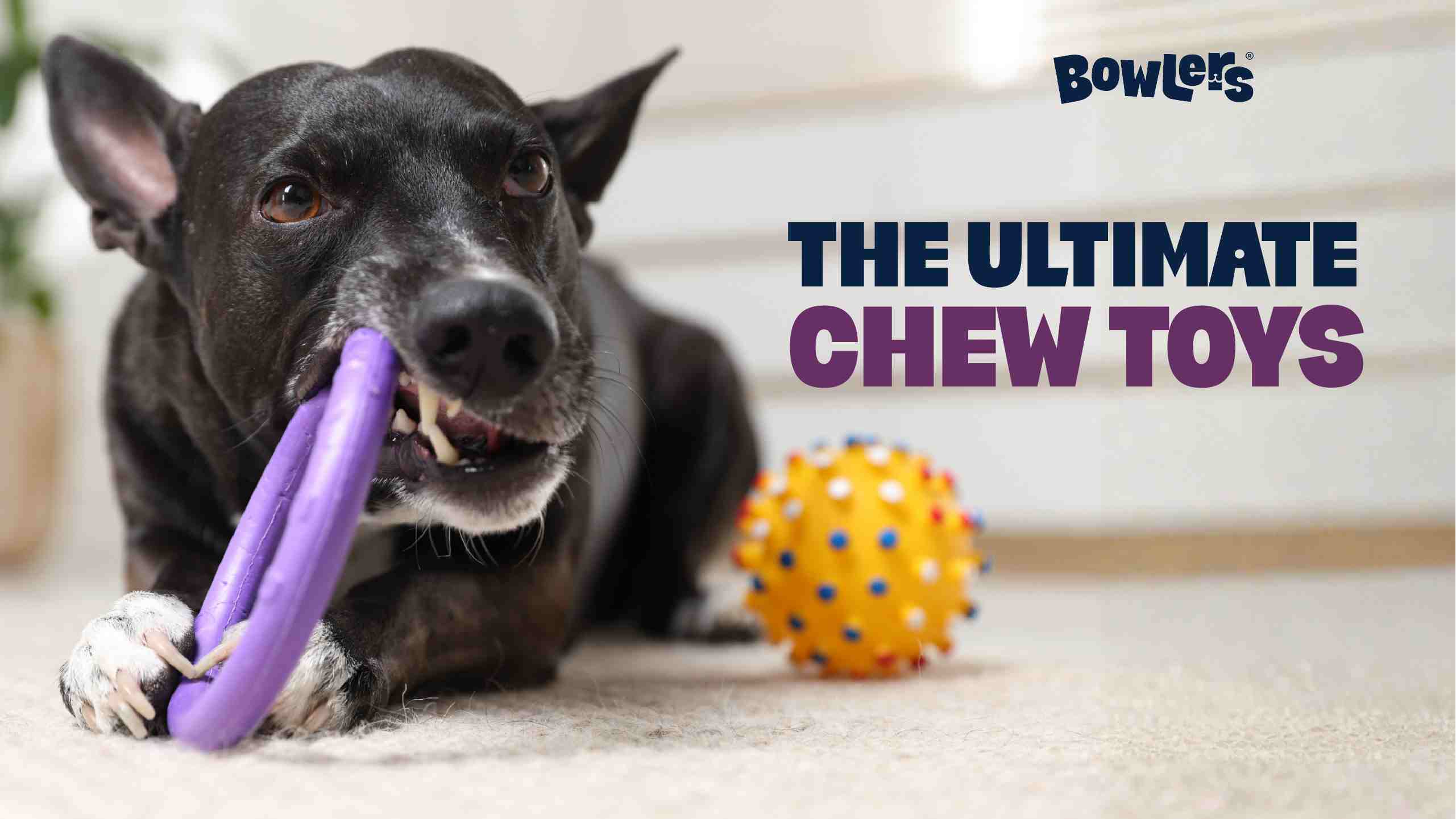
High-quality chew toys also help prevent destructive habits such as chewing furniture or shoes. When you provide chew toys, dogs are far more likely to channel that energy into appropriate play.
In this guide, we explore how chew toys support healthy behaviour, what to look for in durable dog toys, and how chew ropes can become some of the best chewing products for dogs of different sizes and chewing styles.
If you’re exploring different types of toys beyond chewing, you may also want to read our main guide on Fun and Engaging Dog Toys for Play and Training to understand how different toy categories support play, learning, and bonding.
Why Dogs Need Chew Toys
Chewing isn’t just play. It serves several physical and behavioural functions for dogs.
1. Supports Natural Chewing Instincts
Dogs explore the world through their mouths. Providing appropriate dog chew toys allows them to express this instinct safely.
2. Reduces Boredom and Anxiety
Dogs that lack stimulation often develop destructive habits. Long-lasting chew toys keep them occupied and mentally engaged.
3. Helps Puppies During Teething
Puppies experience discomfort when new teeth emerge. Puppy teething toys can help soothe their gums and provide relief.
4. Encourages Independent Play
Some toys are designed for solo engagement. These toys are ideal for dogs that spend time alone during the day.
5. Supports Dental Health
Chewing can help reduce plaque buildup by gently cleaning teeth as dogs bite and gnaw.
What Makes a Good Chew Toy?
Not all chew toys are created equal. Look for a few key qualities when choosing safe chew toys that dogs can use regularly.
1. Non-Toxic Materials
Always choose toys made from pet-safe materials, like the Bowlers Bight Chew Rope. Natural fibres such as jute and cotton are often preferred because they are durable and gentle on teeth.
2. Strong Construction
Dogs with strong jaws need durable dog toys that can withstand repeated chewing without breaking apart.
3. Size-Appropriate Design
A toy should match your dog’s size and chewing strength. Large breeds require stronger toys, while smaller dogs benefit from easier-to-grip designs.
4. Texture Variety
Different textures encourage longer engagement. Rope fibres, natural chew inserts, and knotted designs all provide satisfying chewing surfaces.
How to Choose the Right Chew Rope for Your Dogs
When you’re comparing dog chew toys, the best choice usually comes down to three things: your dog’s size, chewing strength, and preferred texture. Instead of looking for one toy that does everything, it helps to choose a chew option that matches how your dog actually plays.
With chew ropes in particular, details like shape, fibre blend, and the type of natural chew pieces included can make a real difference. Some dogs prefer a toy they can grip easily and work on slowly, while others need something more substantial to stay engaged.
Here’s a practical guide to help you choose the right option:
For small and medium dogs, look for shapes that are easier to grip
Smaller dogs usually do better with chew toys that are lighter in the mouth and easier to hold from different angles. This is where shape matters just as much as material.
The Bight Chew Rope is a good fit for small and medium breeds because its spiral form is easier for smaller mouths to grip. Made from natural, non-toxic jute and finished with a spiral hide roll, it works well for dogs that enjoy steady chewing without needing a bulky toy. This is also a great option for teething puppies.
The Caterpillar Chew Rope is another strong option in this size category. Made from high-quality natural jute and built with 5 pieces of hide roll, it suits small and medium breeds that like chewing for longer stretches. It can be especially useful for dogs that tend to chew more when restless and need something engaging to focus on.
For pet parents shopping for safe dog chew toys, these kinds of size-appropriate designs are often a better choice than oversized ropes that are harder to grip and less enjoyable to use.
For medium to large dogs, choose chew toys that balance grip and substance
Dogs in the medium to large size range often need a toy that feels substantial enough to stay interesting, but not so bulky that it becomes awkward to carry or chew.
The Donut Chew Rope works well here because its circular shape is easy to grab, reposition, and hold during play. Crafted from natural jute and cotton, and packed with 3 pieces of trachea and 1 piece of hide roll, it offers a mix of rope texture and natural chew elements without feeling too heavy for everyday use. It suits dogs that alternate between chewing, carrying, and short interactive play sessions.
For large and giant breeds, prioritise stronger builds with more chewable elements
Bigger dogs usually need chew toys that can handle stronger jaws and longer chewing sessions. In these cases, it helps to look for toys built specifically for larger breeds rather than simply choosing the biggest toy available.
The Abacus Chew Rope is designed especially for large and giant breeds. Made from natural, non-toxic jute, it includes 5 pieces of natural bones woven into the structure, giving bigger dogs multiple points to chew on within a tougher overall build.
The Marionette Chew Rope is another option made for large and giant breeds. Crafted from natural jute and cotton, it comes with 5 pieces of natural bones and 1 piece of trachea, making it a better fit for dogs that enjoy variety in texture and tend to stay engaged longer when a toy offers more than one chewing surface.
These chew ropes are suitable for tug-based play as well, making them worth considering for pet parents looking beyond basic dog chew toys and trying to find more engaging options for everyday use. You can learn more in our guide on Tug-of-War Toys.
The right toy chew toy should match your dog’s preference, not just the size
You can’t choose the best chewing products by assuming one type of chew rope is universally better. Instead, ask yourself a few simple questions:
- Is the toy suited to my dog’s jaw size and strength?
- Does it include enough texture or chew variety to hold interest?
- Is it made from natural, pet-safe materials?
This will help you decide on the right toy faster.
When to Introduce Chew Toys to Dogs
Chew toys can be introduced at different life stages.
Puppies
Teething usually begins around 3-4 months of age. During this stage, puppy teething toys help soothe sore gums.
Adult Dogs
Adult dogs benefit from chew toys for mental engagement and dental support.
Senior Dogs
Older dogs may prefer softer rope textures that are easier on sensitive teeth.
Combining Chew Toys with Mental Stimulation
Chew toys are excellent for independent engagement, but they can also complement mentally stimulating toys.
If you want to challenge your dogs mentally, you can also explore puzzle toys that encourage problem-solving and reward-based play. Our guide on Puzzle Toys explains how they support mental stimulation in dogs.
By combining chew toys with interactive toys, dogs receive both physical and mental engagement.
Final Thoughts
Chew toys play an important role in supporting healthy behaviour in dogs. From relieving teething discomfort to reducing boredom and anxiety, the right dog chew toys can become a daily part of a dog’s routine.
Rope-based chew toys stand out as some of the best chewing products because they combine durability, natural materials, and varied textures that keep dogs engaged.
Select safe chew toys to keep them occupied, satisfied, and mentally stimulated.
FAQs About Dog Chew Toys
1. Are rope chew toys safe for dogs?
Yes, rope toys made from natural fibres such as jute or cotton can be safe dog chew toys, provided they are durable and supervised.
2. What chew toys are best for puppies?
Soft rope toys and specially designed puppy teething toys are ideal for puppies experiencing gum discomfort.
3. Are chew ropes good for dental health?
Yes, the fibrous texture of rope toys can help reduce plaque buildup and support dental hygiene.
4. Can chew toys reduce destructive behaviour?
Yes. When dogs have appropriate dog chew toys, they are less likely to chew household items.
5. What materials are safest for chew toys?
Natural materials like jute, cotton, and natural hide chews are often used in safe chew toys that dogs can use regularly.