How to Read Your Dog’s Tail Movements: A Complete Guide
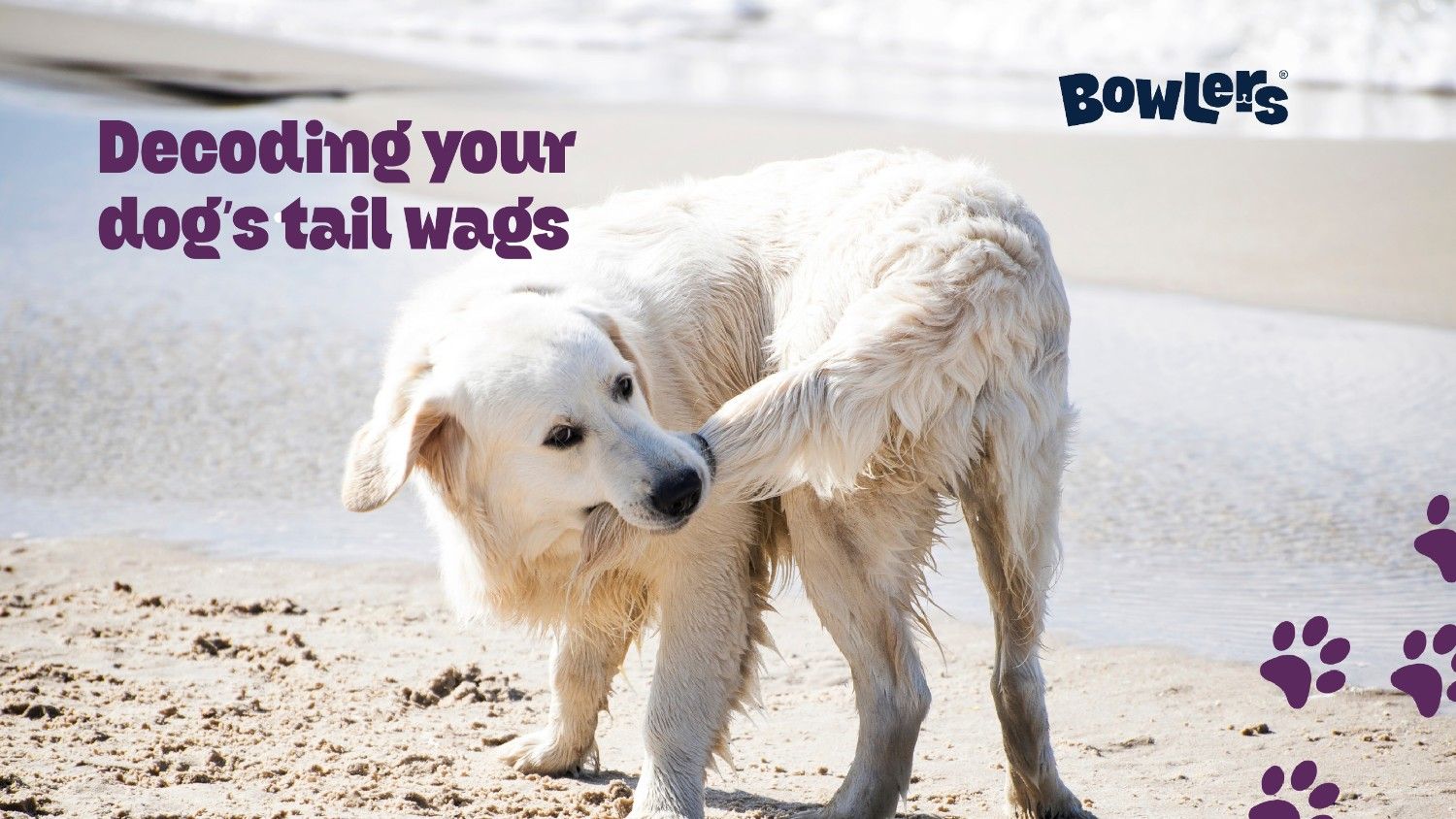
Table of contents
- Why Tail Movements Matter
- Tail Positions and What They Mean
- Combine Tail Signals with Other Body Cues
- How You Should Respond as an Owner
- Useful FAQs: Quick Answers for Pet Parents
- 1. Does wagging always mean a dog is happy?
- 2. Why does my dog tuck its tail between its legs?
- 3. Why does my dog wag more when seeing certain people?
- 4. How do I know if a wag is playful or aggressive?
- 5. My dog wags its tail with its body still. What does that mean?
A wagging tail often makes us think a dog is happy. But that’s only half the story!
Dogs use their tail like an emotional antenna, expressing excitement, anxiety, curiosity, dominance, or even confusion. The speed, direction, and height of the tail tell you far more than you may realise.
Understanding tail signals helps you respond correctly, build better trust, and strengthen your bond, setting the foundation for great communication.
(If you’d like a deeper understanding of how dogs communicate overall, check out the
main article: Understanding Dog Body Language and Communication.)
Let’s decode tail language in a simple, clear way.
Why Tail Movements Matter
Tail gestures aren’t random they are instinctive communication tools. Dogs evolved to use them to signal mood, reassure pack members, make threats, or invite play. A tail is emotion in motion.
Learning to read it correctly helps you:
- Understand your dog’s emotional state instantly
- Prevent aggression, stress, or conflict in new situations
- Improve your response during training and social play
- Build a calmer, more emotionally secure dog
One tail gesture can change a situation, but only if you can read it.
Tail Positions and What They Mean
1. Tail Held High and Stiff
Confidence, alertness, or dominance.
The dog is highly aware of surroundings and may be guarding territory or preparing to challenge.
Look for supporting cues:
- Rigid body posture
- Forward ears
- Intense staring
If paired with growling or stiff stance, refer to Aggressive vs Playful Behavior: Spotting the Difference in Dogs (Section 4).
2. Tail Relaxed and at Mid-Level
This is a calm, neutral emotional state.
Your dog feels secure, content, and open to interaction.
You’ll often see this during casual walks or while resting at home, a sign of comfort and trust.
3. Tail Low or Tucked Under the Body
This is a universal signal of fear, uncertainty, or anxiety.
Your dog may be overwhelmed, stressed, or uncomfortable with what’s happening around them.
Often accompanied by:
- Avoiding eye contact
- Lip licking
- Slow movements
If you see continuous tail tucking, explore comfort techniques in Top Signs Your Dog is Stressed or Anxious (Section 5).
4. Fast Wagging Tail
Excited, happy, ready-to-play energy.This is the classic joyful wag. You’ll see it when you return home to your dog, during play sessions, when the leash comes out, or when it’s Bowlers time.
But speed alone isn’t enough to judge mood. Check eyes and posture too.
5. Slow Wag with Small Sweeps
Uncertain, cautious, evaluating situation.
The dog isn’t fully confident: they’re trying to decide what comes next.
Example: Meeting another dog for the first time, seeing new humans, exploring a strange environment.
6. Tail Wagging More to the Right
Studies suggest right-side wag indicates positive outlook or excitement.
Your dog is more open, friendly, and comfortable.
7. Tail Wagging More to the Left
Often signals unease or heightened alertness. Left-bias wagging has been linked to cautious emotion or mild stress.
This is where reading full body language becomes essential. Because the tail alone never tells the whole story. Eyes, ears, mouth and posture complete the message.
Combine Tail Signals with Other Body Cues
To truly understand your dog, read signals together:
| Tail Signal | Body + Eye Cue | Meaning |
|---|---|---|
| Fast loose wag | Relaxed face, open mouth | Happy, playful |
| High stiff tail | Direct stare, rigid legs | Warning, dominance |
| Tucked tail | Avoided eye contact, low stance | Fear, stress, anxiety |
| Slow uncertain wag | Tilted head, cautious posture | Curious but unsure |
If your dog also uses soft blinks or gentle gazes, dig deeper with Dog Eye Contact Explained (Section 2).
How You Should Respond as an Owner
| What You See | What You Should Do |
|---|---|
| High stiff tail | Stay calm, give space, avoid pushing interaction |
| Relaxed tail | Engage, train, reward good behaviour |
| Tucked tail | Comfort gently, reduce stimuli, use soft voice |
| Fast loose wag | Play, interact, build positive energy |
| Slow hesitant wag | Let your dog approach at their pace, offer reassurance |
Your reaction shapes their emotional response, but more importantly, your calm builds their calm.
Useful FAQs: Quick Answers for Pet Parents
1. Does wagging always mean a dog is happy?
No, wagging can mean excitement, stress, dominance, or worry. Speed + height + direction matters.
2. Why does my dog tuck its tail between its legs?
Usually fear, insecurity, or anxiety. Try calming the environment or refer to anxiety-relief methods in Section 5.
3. Why does my dog wag more when seeing certain people?
Tail wagging is an emotional response. More wagging usually means more positive affection, trust, or excitement.
4. How do I know if a wag is playful or aggressive?
Playful → loose body, soft eyes, relaxed mouth
Aggressive → stiff pose, direct stare, slow intense wag
For clarity, check Section 4 on playful vs aggressive cues.
5. My dog wags its tail with its body still. What does that mean?
Mixed emotion: curious but unsure. Approach gently and let the dog decide how close to come.