Understanding Dog Body Language and Communication
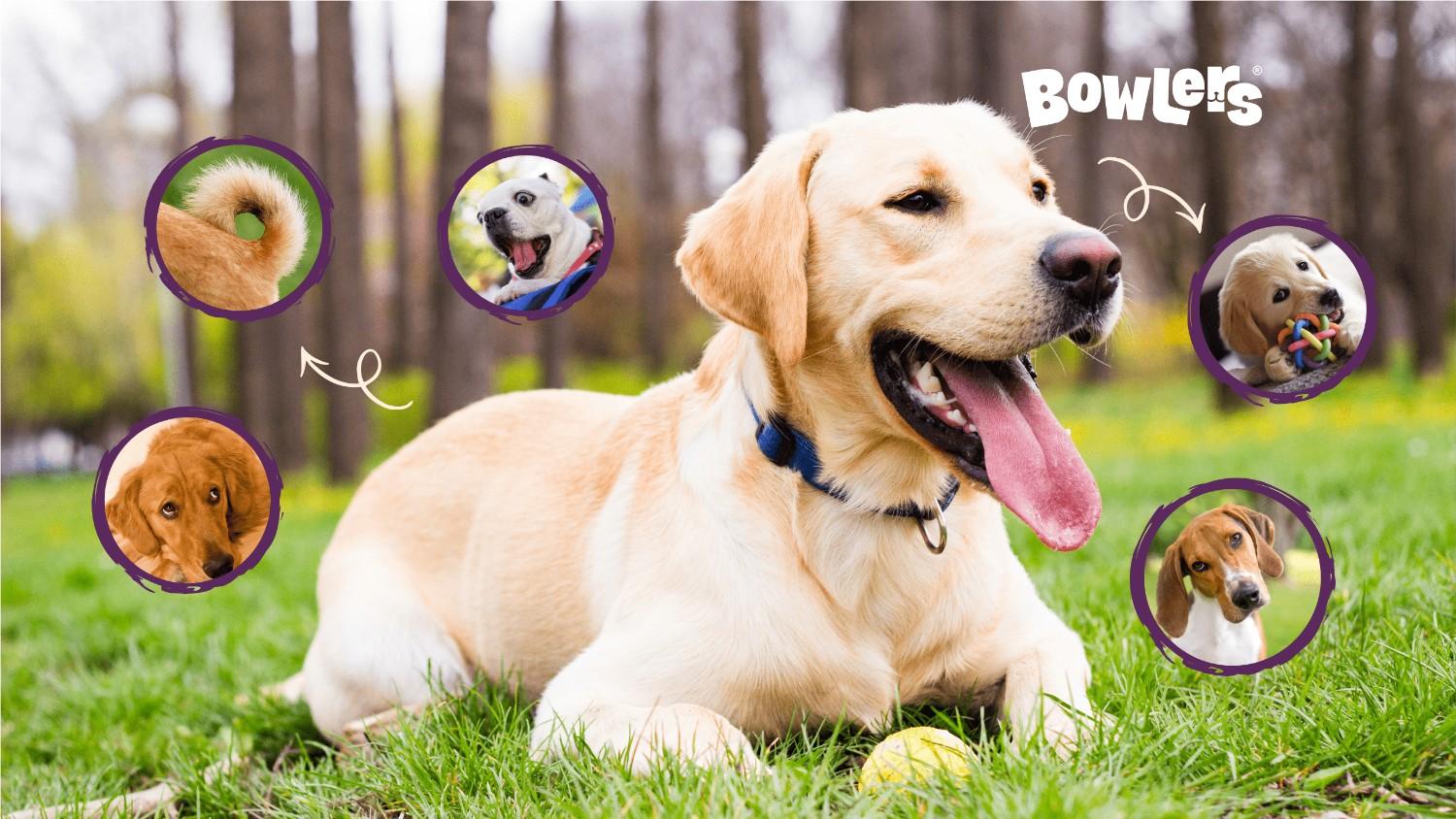
Your dog may not speak your language, but they communicate with you every single day through posture, tail movements, eye expressions, vocal tones, and even the rhythm of their breathing.
Learning to read your dog’s body language is like discovering a simple new language one that deepens trust, strengthens understanding, and turns your bond into something truly intuitive. Whether your pup wiggles with joy when you bring out their Bowlers treats or curls up nervously during thunderstorms, every gesture carries meaning and emotion.
So come, let’s decode these signals together.
Why Dog Body Language Matters
Dogs feel deep love, excitement, anxiety, confusion, and stress. But unlike us, they can’t express emotions verbally. Thankfully, their bodies and actions speak louder than their bark, and by learning to read their subtle cues, you can:
- Respond to your dog’s needs faster
When you understand what your dog’s posture, ears, tail, and expressions are trying to communicate, you can quickly recognize when they’re hungry, anxious, overstimulated, playful, or in pain. This allows you to meet their needs in real time instead of reacting after frustration or discomfort has already set in.
- Reduce behavioral problems and misunderstandings
Many “bad behaviors” are actually signs of stress, fear, confusion, or unmet needs. By identifying the emotional cause behind the action, you prevent problems before they escalate. For example, a growl can be interpreted not as aggression, but as a warning that your dog needs space. Understanding this builds safety instead of punishment.
- Build mutual confidence and emotional trust
When your dog feels seen, understood, and respected, they develop a deep sense of trust in you. They’re more likely to relax, follow cues, and feel secure because they know their emotions matter. This trust becomes a two-way bond where both of you feel safe and connected.
- Strengthen your relationship naturally
Emotional understanding creates a relationship based on connection rather than control. Your dog becomes more affectionate, responsive, and expressive when they feel emotionally supported. Over time, this shared understanding turns everyday moments into meaningful interactions.
Understanding their signals is not just knowledge: it’s empathy.
And empathy builds unshakable companionship.
Key Elements of Dog Communication
Different parts of a dog’s body send different messages. Observing only one cue may mislead you, but reading them together gives you the full emotional picture.
1. Tail Position and Movement
A dog’s tail acts like an emotional antenna. One wag doesn’t always mean happiness. The height, stiffness, and speed matter.
- High, stiff tail → alert, confident, possibly aggressive
- Low, tucked tail → fear or anxiety
- Relaxed wag at mid-level → calm friendliness
To decode tail movements clearly and confidently, continue to Section 1:
How to Read Your Dog’s Tail Movements: A Complete Guide
2. Eyes and Gaze Signals
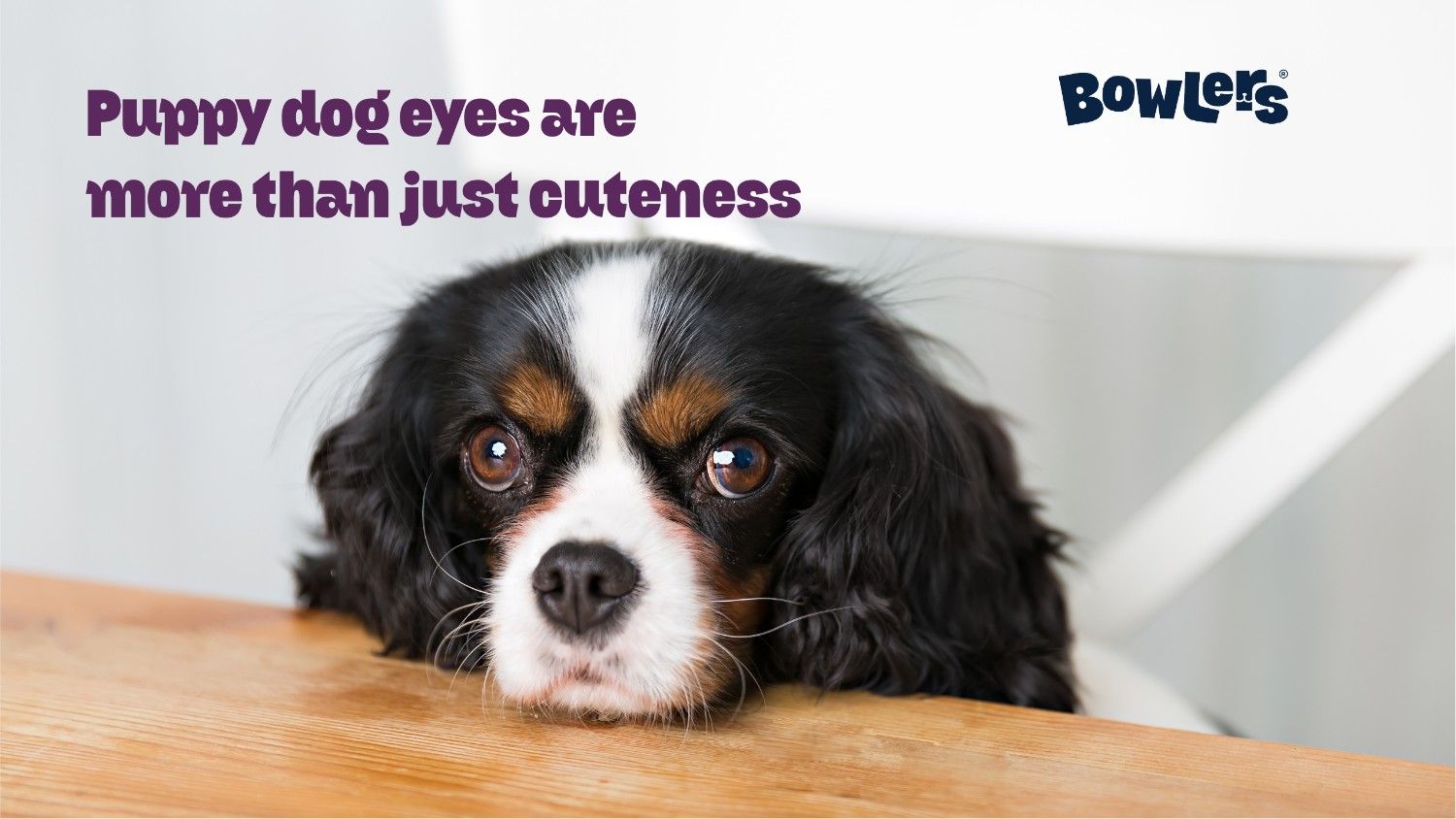
Eyes are windows into your dog’s emotional world. Soft blinking means relaxation. A hard stare might signal discomfort or challenge. Avoided eye contact often indicates stress.
- Wide pupils can indicate excitement or fear, depending on tail and other posture clues
- Slow blinking is a sign of trust and comfort
- Direct stare with still body indicates a warning
Want to master eye signals? Continue learning in Section 2:
Dog Eye Contact Explained: What Your Pup is Trying to Tell You
3. Head Tilting: Cute, Curious and Communicative
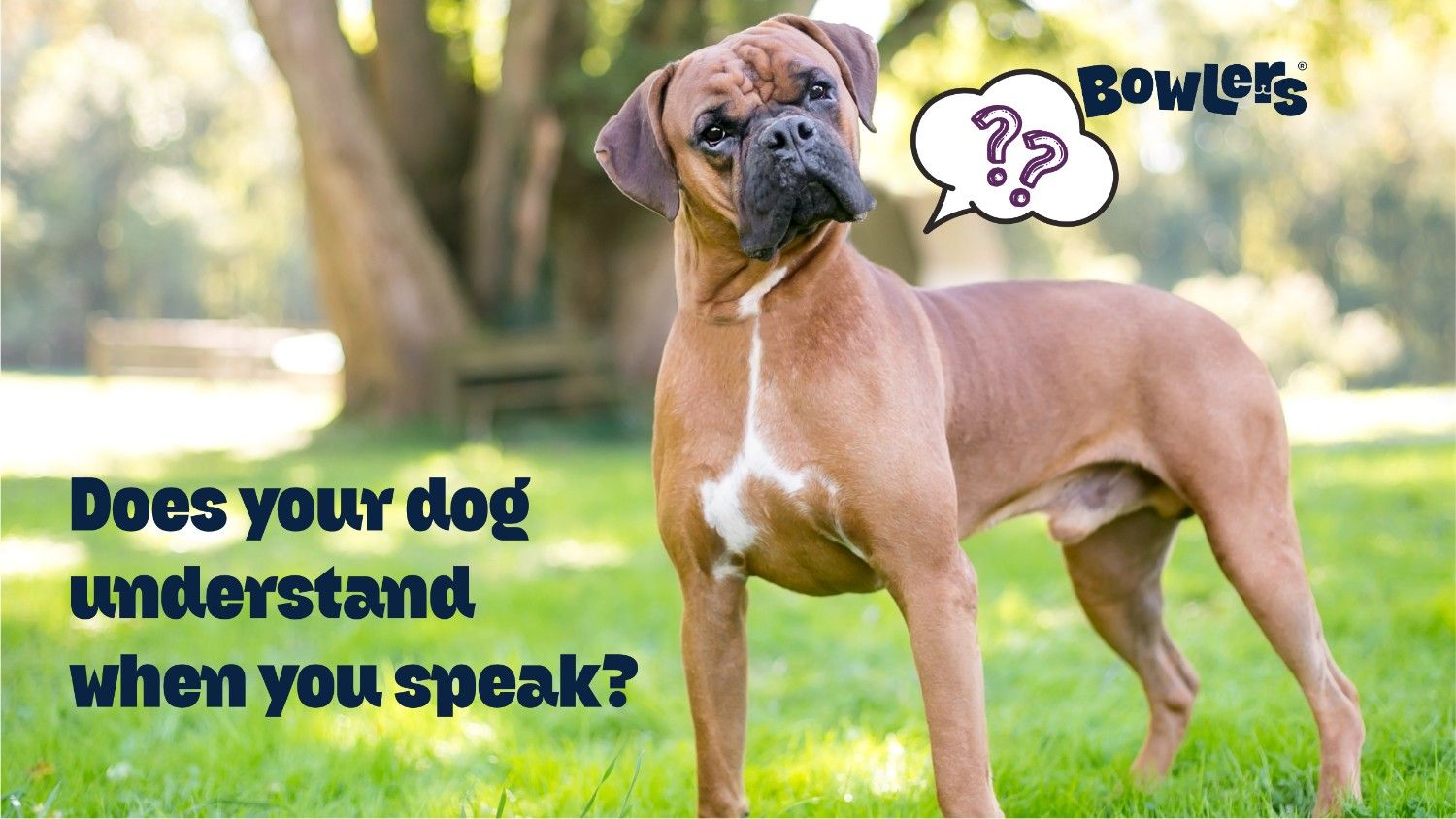
That adorable head tilt is more than a sweet pose. Dogs tilt their head to understand sound better, read our facial expressions, or process what we’re saying. It’s a form of focused listening.
Sometimes, it indicates confusion or problem-solving: and with the right cues, it becomes a gateway to training success.
Full breakdown available in Section 3:
Why Dogs Tilt Their Heads: Cute Habit or Hidden Meaning?
4. Playful vs Aggressive Signals
Not every growl means danger, and not every jump means excitement. Knowing the difference protects your dog in social situations and prevents fear-based reactions.
| Play Mode | Warning / Aggression |
|---|---|
| Loose body, open mouth | Stiff body, closed mouth |
| Wagging tail wide and low | Raised tail held rigid |
| Play bows and bouncy steps | Snarling, prolonged staring |
You’ll learn how to separate friendly excitement from potential threat in Section 4:
Aggressive vs Playful Behavior: Spotting the Difference in Dogs
5. Stress and Anxiety Cues in Dogs
Stress often hides behind subtle behaviors:
- Lip licking
- Yawning (not sleepy, but nervous)
- Pacing or trembling
- Refusing food
- Avoiding eye contact
- Tail tucked down
Understanding these signs early helps you soothe stress before it becomes a behavioral issue.
Learn calming techniques in Section 5:
Top Signs Your Dog is Stressed or Anxious (and How to Help)
The Psychology Behind Dog Behavior
Dogs, much like humans, learn through association, observation, and repetition. Their brains interpret tones, emotions, and body energy rather than just words.
Your energy teaches them more than your commands.
- Calm tone → builds trust
- Sudden loud voice → triggers fear
- Slow approach → signals safety
- Forward leaning posture → signals challenge
Communication is two-way: they read you as much as you read them.
Building a Communication Bond With Your Dog
To speak your dog’s language fluently:
✔ Observe before reacting
✔ Look at the full body, not one signal
✔ Reward good behavior gently
✔ Give space when your dog feels overwhelmed
✔ Use soft tone + positive reinforcement
Over time, you’ll be able to understand your dog with barely any effort.