Balancing Indoor and Outdoor Time for Dogs
Table of contents
- Why Dogs Need Both Indoor and Outdoor Time
- The Benefits of Outdoor Time for Dogs
- Outdoor Dog Playtime Ideas
- Why Indoor Activities Matter Too
- Easy Indoor Dog Activities That Actually Work
- Finding the Right Balance for Your Dog
- Signs Your Dog Needs More Outdoor Time
- Signs Your Dog Needs More Rest & Indoor Calm
- Creating a Balanced Pet Parenting Lifestyle
- The Role of Nutrition in Active Lifestyles
- Indoor Time Is Emotional Time Too
- Common Mistakes Pet Parents Make
- Final Thoughts
- FAQs
Every dog loves the outdoors — the smells, the sounds, the excitement of exploring something new. But they also love the comfort of home: their favorite corner, familiar faces, and those quiet moments curled up beside you. The truth is, dogs need both.
One of the biggest parts of responsible pet parenting is finding the right balance between indoor comfort and outdoor stimulation. Too much indoor time can leave dogs bored and restless, while too much outdoor activity without proper rest can overwhelm them physically and mentally.
Bowlers Pet Food believe a happy dog lifestyle is all about balance — good nutrition, regular movement, mental stimulation, and emotional comfort. In this guide, we’ll explore how to create healthy routines that combine indoor dog activities with meaningful outdoor dog playtime, helping your dog stay active, calm, and emotionally fulfilled.
Why Dogs Need Both Indoor and Outdoor Time
Dogs experience the world differently than humans. Outdoor environments stimulate their senses, while indoor spaces provide security and recovery.
A healthy balance helps support:
- Physical fitness
- Emotional stability
- Better behavior
- Reduced stress and anxiety
- Improved sleep and digestion
When dogs don’t get enough stimulation, they often create their own entertainment — chewing furniture, barking excessively, or becoming hyperactive.
At the same time, constant activity without downtime can lead to exhaustion or overstimulation. That’s why balance matters.
The Benefits of Outdoor Time for Dogs
For dogs, going outside is much more than “just a walk.”
Outdoor time gives them:
- New scents to explore
- Opportunities for socialization
- Mental stimulation
- Physical exercise
- Confidence-building experiences
Even a short walk can mentally tire a dog because they’re constantly processing new information through smell and observation.
Outdoor Play Builds Confidence
Dogs that regularly experience different outdoor environments often become:
- More adaptable
- Less anxious
- Better socialized
- More emotionally balanced
Simple activities like walking in parks, meeting other dogs, or exploring new routes keep life interesting for them.
Outdoor Dog Playtime Ideas
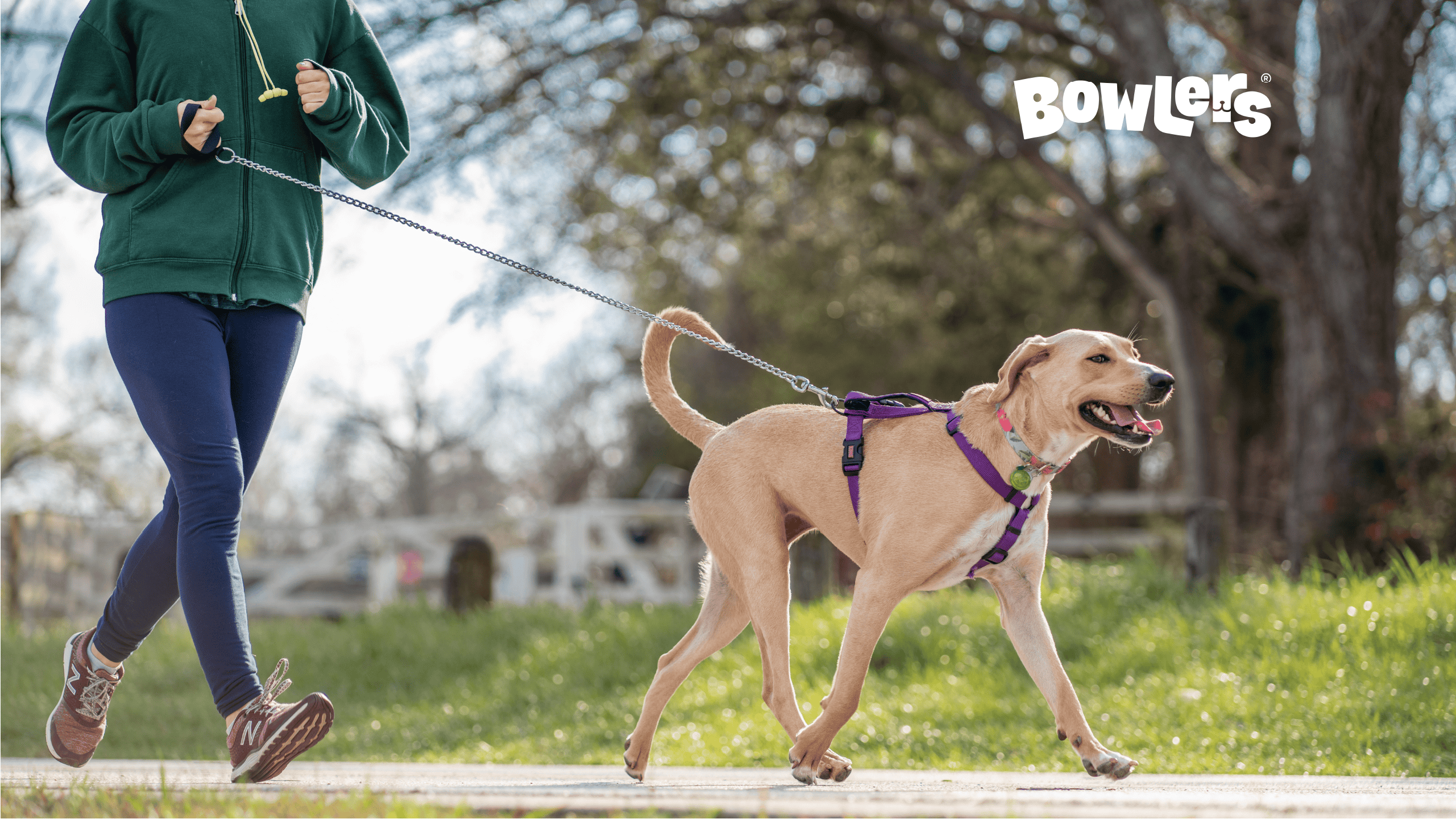
Healthy outdoor dog playtime doesn’t always need to be intense.
Some simple but effective outdoor activities include:
- Daily neighborhood walks
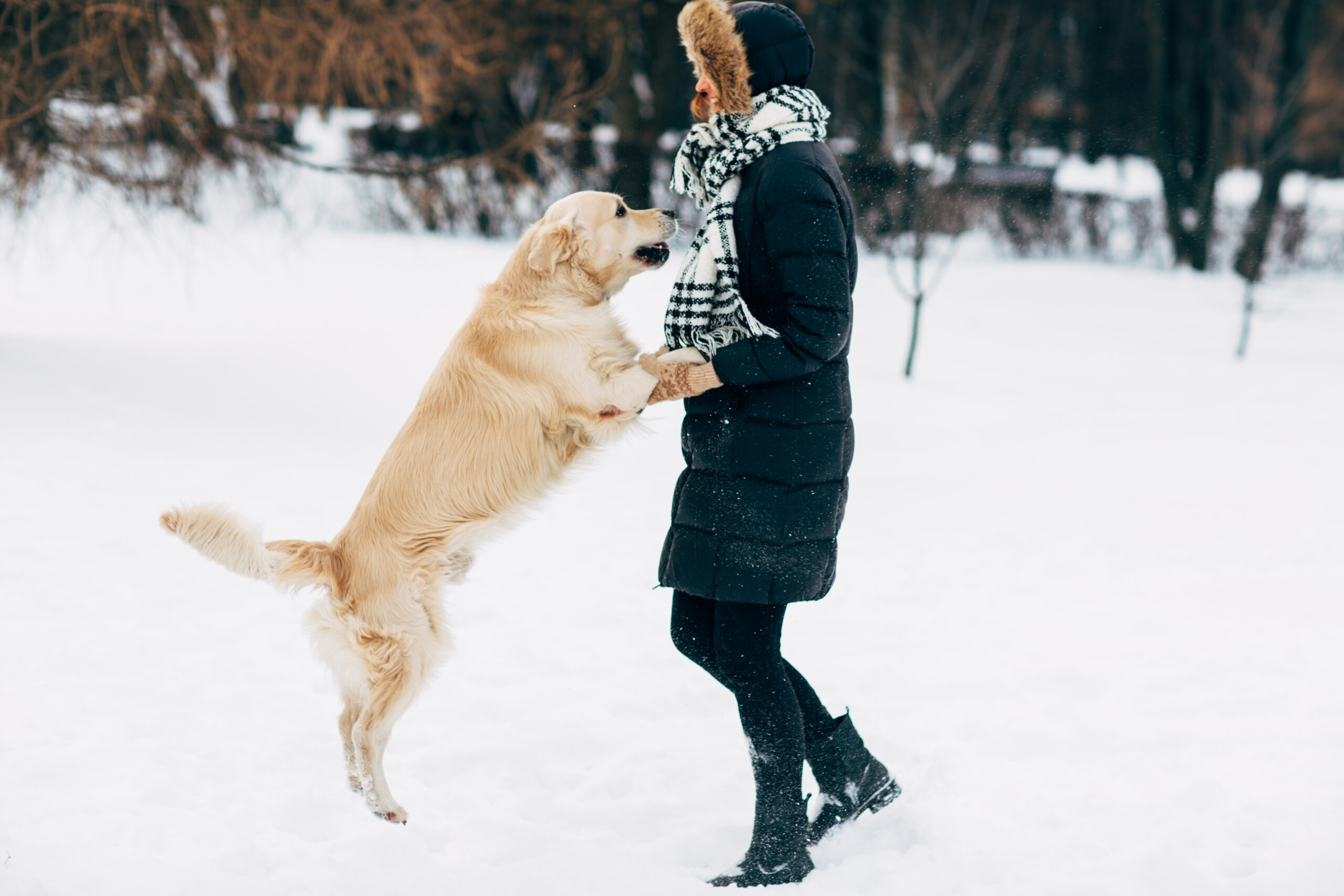
- Fetch in open spaces
- Light jogging
- Nature trail walks
- Social play with other friendly dogs
The goal isn’t exhausting your dog — it’s giving them healthy stimulation and movement.
For breed-specific exercise guidance, you can also read: Exercise Needs of Different Dog Breeds.
Why Indoor Activities Matter Too
Modern pet parenting often means apartment living, busy workdays, unpredictable weather, or limited outdoor access. That’s why indoor dog activities are equally important.
Indoor activities help dogs:
- Stay mentally engaged
- Burn energy safely
- Avoid boredom
- Build confidence
- Strengthen bonding with owners
Some dogs — especially puppies or senior dogs — may even prefer shorter outdoor sessions combined with more relaxed indoor engagement.
Easy Indoor Dog Activities That Actually Work
Not every indoor activity needs expensive toys or complicated setups.
Sometimes the simplest games are the most effective.
1. Hide-and-Seek
Hide treats or toys around the house and encourage your dog to find them.
This stimulates:
- Problem-solving skills
- Natural sniffing instincts
- Mental focus
2. Tug Games
A short tug session can release energy while strengthening your bond.
Just make sure:
- The game stays controlled
- You use safe tug toys
- Your dog learns commands like “drop” or “leave it”
3. Puzzle Feeders & Slow Feeders
Mental stimulation can be just as tiring as physical activity.
Puzzle toys encourage dogs to think, explore, and stay occupied — especially helpful during busy workdays.
4. Indoor Training Sessions
Practicing simple commands like:
- Sit
- Stay
- Spin
- Paw
…keeps dogs mentally active while reinforcing discipline and trust.
For more ideas, explore: Healthy Playtime Ideas for Your Dog at Home.
Finding the Right Balance for Your Dog
Every dog is different.
Some breeds naturally crave outdoor adventure, while others are perfectly happy with moderate exercise and cozy indoor time.
Factors that affect your dog’s ideal balance include:
- Breed type
- Age
- Energy level
- Health condition
- Personality
A Husky’s needs will look very different from a Pug’s.
That’s why observing your dog’s behavior matters more than blindly following fixed schedules.
Signs Your Dog Needs More Outdoor Time
Your dog may need more outdoor activity if you notice:
- Excessive barking
- Hyperactivity indoors
- Destructive chewing
- Restlessness
- Difficulty settling down
Dogs often act out simply because they’re under-stimulated.
Signs Your Dog Needs More Rest & Indoor Calm
On the other hand, too much stimulation may lead to:
- Irritability
- Overexcitement
- Fatigue
- Withdrawal
- Lack of appetite
Healthy dogs need recovery and downtime too.
Creating a Balanced Pet Parenting Lifestyle
A healthy pet parenting lifestyle balance isn’t about entertaining your dog constantly. It’s about creating rhythm and consistency.
A balanced daily routine may look like:
- Morning walk
- Calm indoor rest during work hours
- Short evening playtime
- Training or mental enrichment
- Relaxed family bonding time at night
This structure creates emotional security and balanced energy.
For complete scheduling guidance, you can also explore: Morning & Evening Routine Ideas for Dogs.
The Role of Nutrition in Active Lifestyles
Exercise and play are important, but nutrition fuels everything.
Dogs that stay physically active need balanced meals that support:
- Sustained energy
- Healthy digestion
- Joint and muscle strength
- Coat and skin health
Bowlers Pet Food recipes are designed to support:
- Smooth digestion
- Healthy shiny coats
- Stronger immunity
- Sharper and stronger puppies
When dogs eat well, they recover better, stay active longer, and enjoy healthier routines overall.
Indoor Time Is Emotional Time Too
Sometimes we think dogs only value “activity,” but many dogs simply want connection.
Indoor moments matter because they often include:
- Quiet companionship
- Physical affection
- Emotional comfort
- Family bonding
For dogs, lying next to you while you work or watch TV can feel just as meaningful as a long walk.
That emotional security is a huge part of healthy pet parenting.
Common Mistakes Pet Parents Make
A few common routine mistakes include:
- Assuming walks alone are enough
- Ignoring mental stimulation
- Overexercising high-energy dogs
- Leaving dogs alone without enrichment
- Treating indoor time as “inactive” time
Dogs need both movement and engagement to truly thrive.
Final Thoughts
Creating the right balance between indoor dog activities and outdoor dog playtime is one of the best things you can do for your dog’s physical and emotional well-being.
Some days may include long walks and outdoor adventures. Other days may simply involve indoor games, cuddles, and quiet companionship. Both matter.
FAQs
Q1. How much outdoor time does a dog need daily?
Most dogs benefit from at least 30–60 minutes of outdoor activity daily, depending on breed and age.
Q2. Can indoor activities replace walks?
Indoor activities help with mental stimulation, but outdoor walks are still important for exercise and exploration.
Q3. What are good indoor dog activities?
Puzzle toys, training games, hide-and-seek, and tug games are excellent indoor activities for dogs.
Q4. How do I know if my dog is bored?
Signs include excessive barking, chewing, restlessness, or attention-seeking behavior.
Q5. How do Bowlers support active dog lifestyles?
Bowlers provides balanced nutrition that supports digestion, energy, healthy coats, and overall wellness for active dogs.