Interactive Puzzle Toys for Dogs: Smart Toys
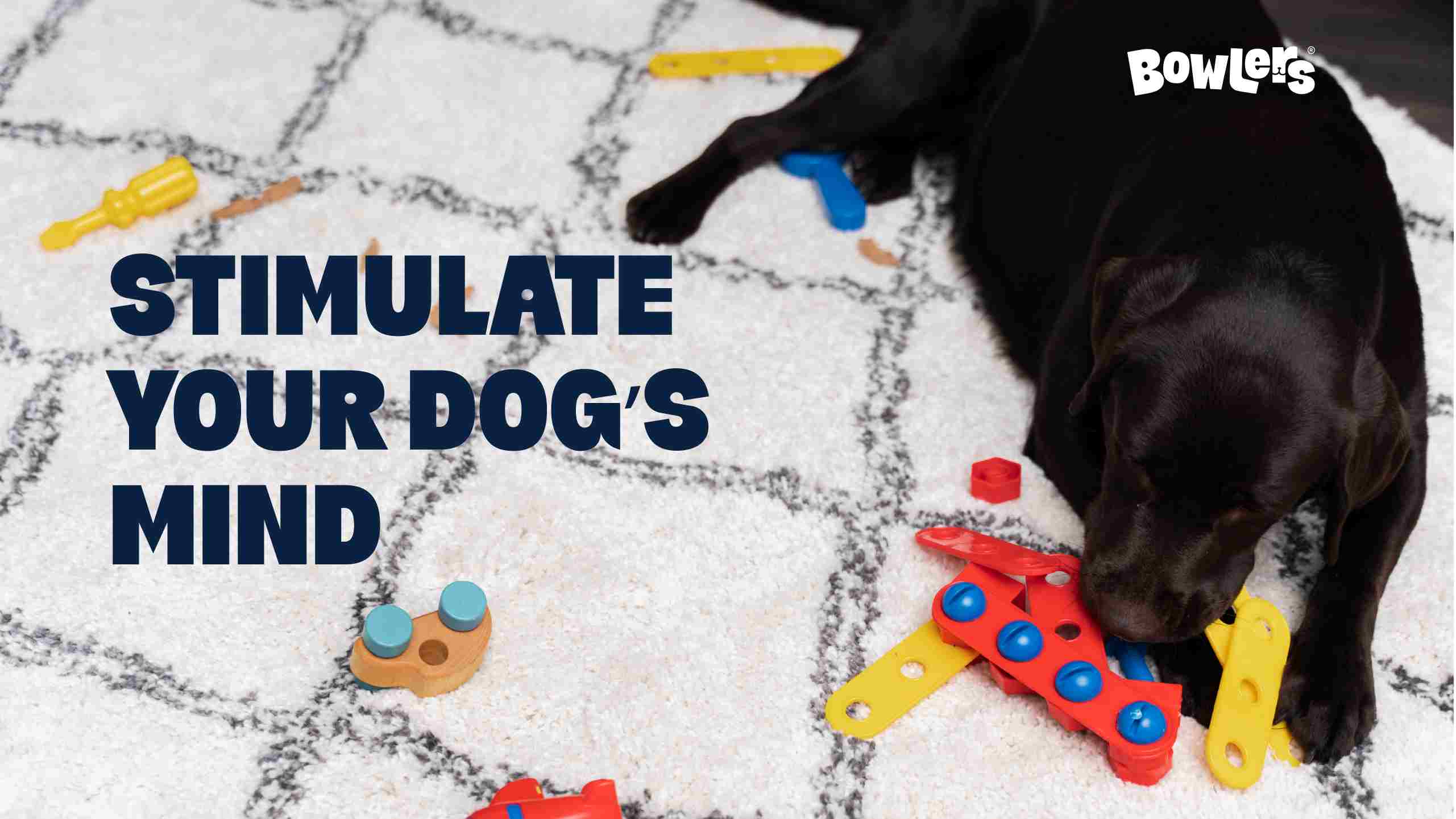
Table of contents
- Why Mental Stimulation Is Important for Pets
- What Are Interactive Puzzle Toys?
- Signs Your Dog Needs More Mental Stimulation
- Types of Puzzle Toys That Stimulate Dogs
- How to Introduce Puzzle Toys to Your Dog
- Tips for Getting the Most Out of Puzzle Toys
- Final Thoughts
- FAQs About Interactive Puzzle Toys for Dogs
Physical exercise matters, but mental activity is just as important for a dog’s daily routine. Dogs need opportunities to think, solve, sniff, search, and work for rewards. That is where interactive dog toys can make a real difference. The right puzzle toy does more than keep your dog busy for a few minutes. It gives them a task, builds focus, and helps channel energy in a healthier direction.
For pet parents, puzzle toys are especially useful for indoor days, high-energy breeds, fast eaters, and dogs that get bored easily. They can also be a practical part of enrichment at home, helping dogs stay engaged without constant supervision.
In this guide, we’ll look at how dog puzzle toys can support focus and behaviour, what types of puzzle toys to consider, how to choose the right level of challenge, and how nutrition and rewards can work alongside enrichment. If you’re building a more complete toy routine, you can also start with our parent guide on Bowlers’ Fun and Engaging Dog Toys for Play and Training for a broader look at toy categories for dogs.
Why Mental Stimulation Is Important for Pets
Physical exercise is essential, but mental activity is equally important for dogs. Without enough stimulation, dogs can become bored, anxious, or hyperactive.
Here are some key benefits of adding smart dog toys and puzzle games to your dog’s routine.
1. Prevents Boredom
Dogs that spend long hours indoors or alone often need structured activities to stay engaged. Puzzle toys can keep them occupied for longer periods.
2. Improves Problem-Solving Skills
Many interactive dog toys require dogs to figure out how to access treats or rewards. This helps strengthen their problem-solving abilities.
3. Reduces Destructive Behaviour
Dogs that lack stimulation may chew furniture or dig excessively. Puzzle toys for dogs provide a productive outlet for that energy.
4. Supports Confidence and Learning
When dogs solve puzzles successfully, it reinforces learning and builds confidence.
5. Slows Down Fast Eaters
Some puzzle toys double as slow feeders, helping dogs eat more slowly and improving digestion.
What Are Interactive Puzzle Toys?
Puzzle toys are a category of interactive dog toys designed to challenge a dog’s thinking and encourage engagement.
Unlike simple chew toys, puzzle toys involve a task that dogs must complete before receiving a reward.
Common puzzle toy formats include:
- Sliding compartments that reveal treats
- Rotating puzzle sections
- Hide-and-seek treat pockets
- Flip or lift lids
- Slow-feeder maze bowls
These toys encourage dogs to think, sniff, and manipulate objects to earn food or treats.
Because they combine play with learning, puzzle toys are often considered among the best brain games for dogs.
Signs Your Dog Needs More Mental Stimulation
Most pet parents focus primarily on their dog’s physical exercise. However, some dogs may need additional cognitive challenges, too. Here are some common indicators:
1. Destructive Chewing
If your dog chews household items despite having toys, anxiety or boredom could be the cause. Introducing smart dog toys can redirect this behaviour.
For dogs that also love chewing, you may want to explore our guide to chew toys, which explains how chew toys support independent engagement.
2. Excessive Barking
Dogs that bark frequently when left alone may be seeking stimulation.
3. Restlessness Indoors
Dogs that pace around the house often benefit from puzzle-based activities.
4. Fast Eating Habits
Some puzzle feeders encourage dogs to work for their food instead of eating too quickly.
Types of Puzzle Toys That Stimulate Dogs
Not all puzzle toys work the same way. Different designs challenge dogs in different ways.
Here are some common types of puzzle toys dogs love:
1. Treat-Dispensing Puzzle Toys
These toys release treats when dogs interact with them correctly.
Benefits include:
- Encouraging problem-solving
- Extending playtime
- Rewarding persistence
Treat-dispensing toys are ideal entry-level interactive dog toys for beginners.
You can fill these toys with treats, or even small portions of your dog’s regular meals. When choosing a nutritious option, explore Bowlers dog food, which is designed to provide balanced nutrition using high-quality ingredients that support digestion, energy levels, and overall wellbeing.
Using healthy food in puzzle toys ensures that playtime also contributes to a dog’s daily nutrition.
2. Sliding Puzzle Boards
Sliding puzzles are one of the most popular smart dog toys for mental enrichment.
These toys contain small compartments that hold treats. Dogs must slide panels or move pieces to uncover the reward.
Why you’ll like them:
- Adjustable difficulty levels
- Encourages paw and nose interaction
- Keeps dogs engaged longer
Sliding puzzles are particularly effective for curious breeds that thrive on problem-solving tasks.
3. Hide-and-Seek Puzzle Toys
Hide-and-seek toys combine scent work with play.
You can hide treats in small compartments or pockets, and let your dogs sniff and search to find them.
These toys encourage:
- Natural scent tracking behaviour
- Focused engagement
- Slower eating
Scent-based puzzles make for the best brain games, as dogs rely heavily on their sense of smell.
4. Puzzle Feeders for Mealtime
Puzzle feeders transform regular meals into mental challenges.
Instead of eating quickly from a bowl, dogs must navigate maze-like paths to access their food.
Benefits include:
- Slowing down fast eaters
- Improving digestion
- Providing daily mental stimulation for pets
Choose complete and balanced pet food options like Bowlers pet food for these toys. When used in puzzle feeders, nutritious kibble turns mealtime into both nourishment and enrichment.
Puzzle toys can also complement training routines by motivating dogs with food rewards. Our blog on Training Toys explains how toys can help reinforce obedience and good habits.
How to Introduce Puzzle Toys to Your Dog
Some dogs immediately understand puzzle toys, while others need guidance.
Here are simple steps to introduce smart dog toys successfully.
1. Start With Easy Puzzles
Choose beginner-level puzzle toys for dogs with simple mechanisms.
2. Demonstrate the Toy
Show your dog how the toy works by opening it slightly or guiding their paw.
3. Use High-Value Rewards
Treats or favourite kibble make the puzzle more motivating.
4. Keep Early Sessions Short
Limit the first sessions to 10–15 minutes to avoid frustration.
5. Gradually Increase Difficulty
Once your dog understands the concept, move to more complex puzzles.
Tips for Getting the Most Out of Puzzle Toys
Puzzle toys are most effective when used strategically.
Here are a few tips.
Rotate Dog Puzzle Toys Regularly
Changing toys every few days keeps them interesting.
Supervise Early Play Sessions
Observe how your dog interacts with the toy to ensure safe use.
Clean Puzzle Toys Frequently
Treat residue can accumulate in puzzle compartments.
Adjust Difficulty Levels
Some toys allow difficulty adjustments to keep dogs challenged.
Final Thoughts
Mental stimulation for pets plays a critical role in their well-being. Without cognitive engagement, dogs can become bored, restless, or destructive.
Puzzle toys offer dogs a simple way to challenge their minds while rewarding their curiosity. From treat-dispensing toys to advanced puzzle boards, these interactive dog toys can turn everyday play into learning opportunities.
The best brain games for dogs keep them engaged, confident, and happy. And when paired with nutritious rewards such as Bowlers dog food, puzzle toys support both mental stimulation and balanced nutrition.
FAQs About Interactive Puzzle Toys for Dogs
1. What are puzzle toys for dogs?
Puzzle toys are interactive dog toys designed to challenge dogs mentally by requiring them to solve tasks to access treats or rewards.
2. Are puzzle toys good for dogs?
Yes, puzzle toys provide ample mental stimulation for pets and help prevent boredom and destructive behaviour.
3. At what age can dogs start using puzzle toys?
Puppies as young as 8–10 weeks can begin using simple puzzle toys designed for beginners.
4. Can puzzle toys reduce dog anxiety?
Yes, interactive dog toys can keep dogs engaged and help reduce anxiety when they are alone.
5. What treats should be used in puzzle toys?
Small treats or balanced kibble such as Bowlers dog food can be used as rewards inside puzzle toys.