Top Signs Your Dog is Stressed or Anxious
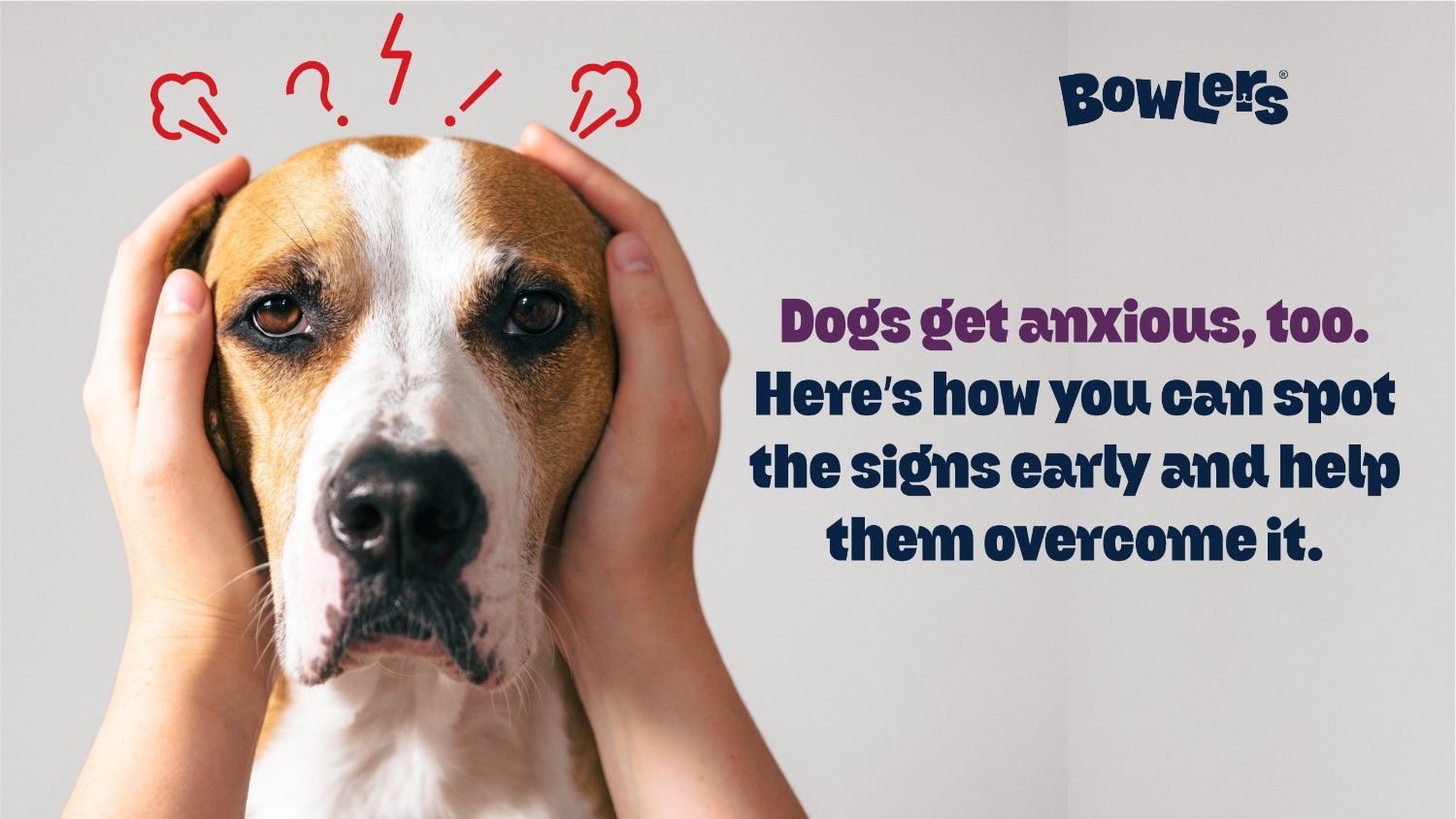
Table of contents
- Why Recognising Stress Matters
- Common Signs of Stress and Anxiety in Dogs
- Emotional Triggers That Cause Anxiety
- How to Calm a Stressed or Anxious Dog
- Natural Remedies to Ease Anxiety
- Natural Learning Path
- FAQs: Quick Answers for Pet Parents
- 1. Can stress make dogs aggressive?
- 2. Why does my dog get anxious suddenly?
- 3. How long does stress last in dogs?
- 4. Can food affect anxiety?
- 5. Should I hug a stressed dog?
Dogs cannot say “I am nervous.” They express it through their body.
Sometimes anxiety is loud (whining, barking, pacing). Other times, it’s so subtle that it often goes unnoticed until tension grows into a larger behavioural issue.
In our main article: Understanding Dog Body Language and Communication, we explored how body cues reveal emotional states. Anxiety is one of the most important emotions to recognise early, because a stressed dog signals discomfort long before a bark or bite happens.
Section 5 focuses on recognising stress signals and helping your dog feel safe again.
Why Recognising Stress Matters
Early detection prevents:
- Aggressive outbursts
- Destructive behaviour
- Social withdrawal
- Fear-based reactions
- Separation anxiety
- Long-term emotional instability
A confident dog is a happy dog: and that confidence grows when we respond gently and correctly.
Common Signs of Stress and Anxiety in Dogs
1. Panting or Pacing With No Heat or Exercise
Excessive panting without activity is often emotional, not physical.
Pacing around a room shows restlessness and inability to settle.
2. Tail Tucked or Held Low
A direct anxiety cue, explained deeply in Section 1: Tail Movement Language.
The lower the tail, the higher the insecurity.
3. Avoiding Eye Contact
Eyes shifting away, slow blinking, unwillingness to hold gaze.
For meaning behind eye signals, see Section 2: Dog Eye Contact Explained.
4. Pinned-Back Ears
Flattened ears signal fear or uncertainty: especially when paired with a lowered body posture.
5. Excessive Yawning or Lip-Licking
These are displacement behaviours: ways dogs self-soothe when overwhelmed.
6. Shaking, Trembling or Freezing in Place
Not always cold: often emotional stress or fear of the environment.
7. Whining, Barking or Growling Sudden Triggers
Vocal output is a final stage: body language appears first.
Emotional Triggers That Cause Anxiety
Dogs may feel stressed because of:
- Loud noises (thunder, fireworks)
- New environments or unfamiliar people
- Change in routine or separation from owner
- Past trauma or negative conditioning
- Over-excited play turning uncomfortable
- Health or digestive discomfort
Sometimes anxiety starts during playful interactions: if the body becomes stiff or growls deepen, revisit Section 4 – Playful vs Aggressive Signals for clarity.
How to Calm a Stressed or Anxious Dog
1. Give Space and Reduce Stimulation
Don’t force touch or interaction. Let your dog come to you on their terms.
2. Soft Voice + Gentle Presence
Calm energy lowers stress faster than commands or restraint.
3. Create Safe Zones at Home
A quiet bed corner, soft blanket, favourite toy: emotional safety matters.
4. Use Slow Petting Instead of Excitement
Long, gentle strokes reassure better than fast playful petting.
5. Practice Confidence-Building Activities
Short walks, sniff time, puzzle toys, structured play.
6. Support Emotional Balance Through Diet (Bowlers Integration)
Dogs with unstable energy may react quicker to stress.
Providing balanced nutrition like Bowlers Dog Food supports:
- Steady energy release
- Better digestion → calmer mood
- Improved cognitive response
- Reduced irritability and hyper-reactivity
A well-filled stomach nurtures a well-regulated nervous system.
Natural Remedies to Ease Anxiety
- Calming chews or treats
- Lavender diffusers (pet-safe usage only)
- Massaging ears and shoulders
- Longer sniff-walks instead of fast walks
- Background calming music
- Slow feeding bowls for mealtime relaxation
Consistency beats intensity: small daily habits build emotional stability for life.
Natural Learning Path
Understanding stress becomes easier when you connect all communication cues:
| Topic | Why It Helps |
|---|---|
| Section 1 – Tail Signals | Anxiety shows clearly through tail height and speed |
| Section 2 – Eye Contact Cues | Stress often begins with gaze avoidance |
| Section 3 – Head Tilt Meaning | Tilt + hesitation sometimes signals uncertainty |
| Section 4 – Play vs Aggression | Stress can escalate into misinterpreted aggression |
| Main Article – Understanding Dog Body Language | Complete framework to read emotions confidently |
All five Sections together form the complete language of dogs.
FAQs: Quick Answers for Pet Parents
1. Can stress make dogs aggressive?
Yes: fear often triggers defensive reactions. Learn early cues (tail + eyes) to prevent escalation.
2. Why does my dog get anxious suddenly?
Changes in environment, loud sound, new pets/people, or internal discomfort can trigger instant stress.
3. How long does stress last in dogs?
Minutes to days depending on the trigger. Comfort, routine, and secure environment reduce duration.
4. Can food affect anxiety?
Absolutely. A stable, balanced diet like Dog Food helps regulate energy spikes and improves behavioural temperament.
5. Should I hug a stressed dog?
Not always. Some dogs want closeness, others need space. Observe body cues first.