Squeaky & Plush Dog Toys: Gentle Playtime Options Dogs Love
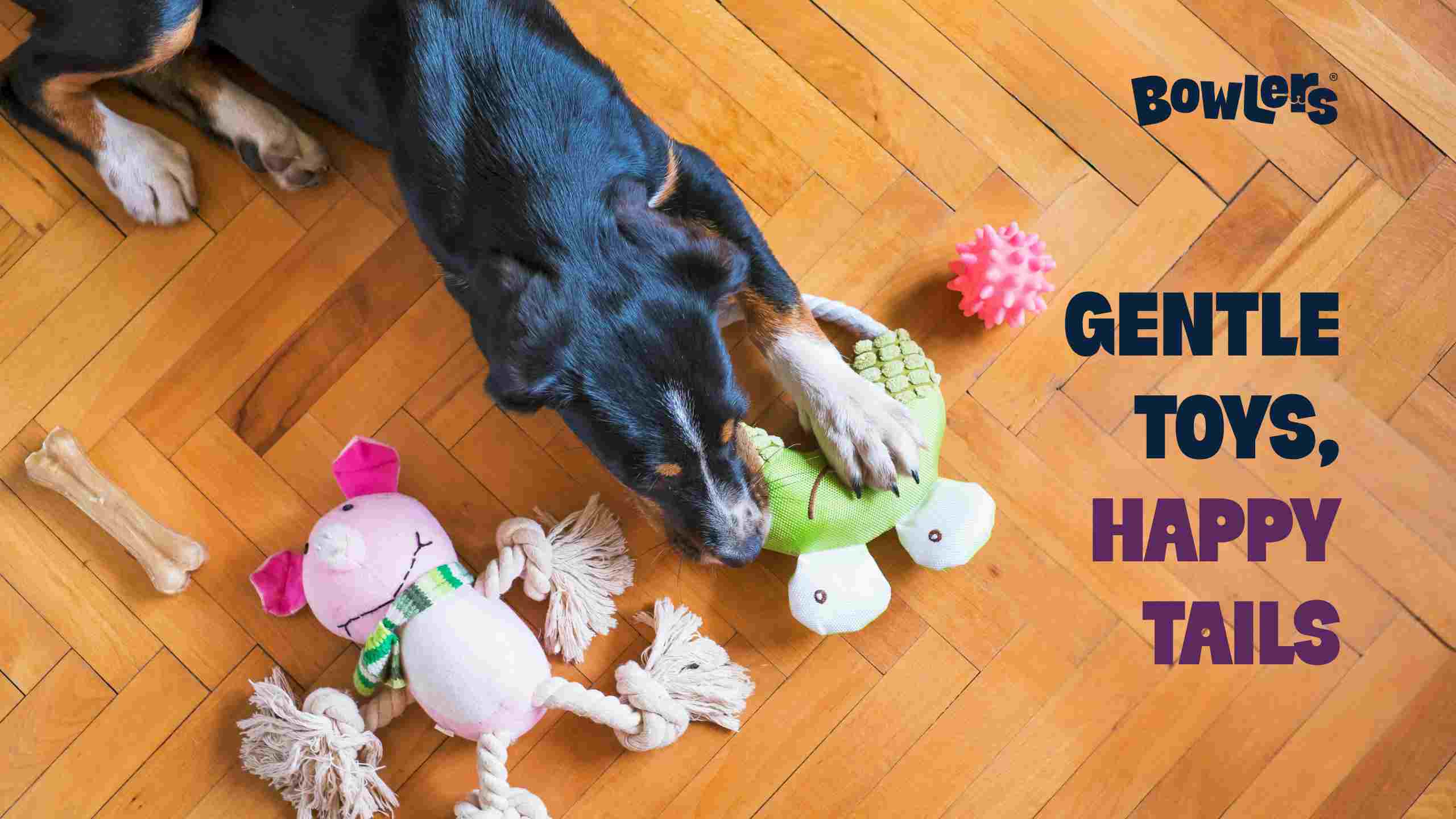
Table of contents
- Why Dogs Adore Soft and Plush Toys
- What Makes Squeaky Dog Toys So Engaging?
- Types of Plush and Soft Toys for Dogs
- Choosing the Right Soft Toys for Your Dog
- How Plush Toys Fit Into a Balanced Play Routine
- Supporting Indoor Play With the Right Nutrition
- Tips to Keep Plush Toy Play Safe and Fun
- Final Thoughts
- FAQs About Plush and Squeaky Dog Toys
Not every dog wants high-energy play all the time. While tug games and chew sessions have their place, many dogs also need slower, calmer interactions. This is where soft toys come in.
From light indoor games to quiet time on the couch, soft toys for dogs offer a different kind of engagement. They are easy to carry, comfortable to hold, and often become a dog’s favourite companion during downtime.
If you’re looking to create a balanced play routine, squeaky dog toys and plush options can support both play and comfort. If you’re exploring a wider mix of toys, you can also refer to our guide on Fun and Engaging Dog Toys for Play and Training for a complete overview.
Why Dogs Adore Soft and Plush Toys
Dogs interact with toys in different ways. Some may chew them, while others love carrying or gently mouthing their toys.
Here are a few plush toys for calm play with pets:
1. Comfortable to Carry
Soft toys are lightweight and easy to pick up, making them ideal for dogs that like to carry objects around the house.
2. Suitable for Gentle Play
Not all dogs engage in rough play. Soft toys are well-suited for light interaction, especially for smaller breeds or older dogs.
3. Encourages Independent Play
Some dogs prefer playing on their own with plush toys, especially during quiet hours.
4. Provides Comfort
Many dogs treat plush toys as comfort objects. These toys often become part of their rest routine.
5. Works Well for Indoor Play
Because they are soft and lightweight, plush toys are ideal for safe indoor play for dogs without causing damage to furniture or surroundings.
What Makes Squeaky Dog Toys So Engaging?
Squeaky toys add an extra layer of interaction.
The sound element in squeaky dog toys stimulates a dog’s curiosity and keeps them engaged for longer periods.
Here’s how squeaky toys enhance play:
1. Encourages Interaction
Dogs quickly learn that pressing or biting the toy creates a sound, which motivates repeated play.
2. Keeps Dogs Mentally Engaged
The cause-and-effect nature of squeaky toys adds a level of mental stimulation.
3. Adds Variety to Playtime
Combining sound with soft textures creates a different experience compared to chew or rope toys.
Types of Plush and Soft Toys for Dogs
There are several types of plush toys for pets, each suited for different play styles.
1. Classic Plush Toys for Everyday Play
These are the most common soft toys for dogs.
They are typically made with fabric exteriors and soft filling, making them easy to carry and cuddle.
Best suited for:
- Small and medium breeds
- Dogs that prefer gentle play
- Indoor environments
These toys are often used during relaxed indoor play between active sessions.
2. Squeaky Toys for Interactive Fun
Because of their interactive element, squeaky dog toys can hold a dog’s attention longer than standard pet cuddle toys.
These toys are ideal for:
- Dogs that prefer interactive play
- Short bursts of activity indoors
- Keeping dogs engaged without high physical effort
For example, the Bowlers rubber toy bat is designed for easy handling and short play sessions indoors. Its shape makes it simple for dogs to pick up and carry, while the material offers a bit more resistance compared to soft toys.
3. Reinforced Plush Toys for Moderate Chewers
Some plush toys for pets are designed with reinforced stitching or layered fabric to improve durability.
These toys work well for:
- Dogs that love soft toys but tend to chew them
- Pet parents looking for slightly longer-lasting plush options
While they are not as tough as chew ropes, reinforced plush toys can still support regular play.
4. Comfort and Cuddle Toys for Pets
Some dogs form attachments to specific toys and use them for comfort. They are usually:
- Soft and lightweight
- Easy to carry
- Used during rest or sleep
These toys are especially helpful for puppies adjusting to a new home or dogs that spend a lot of time alone.
Choosing the Right Soft Toys for Your Dog
Not all soft toys are suitable for every dog. Here are a few factors to consider when selecting soft toys for dogs.
1. Your Dog’s Play Style
- Gentle players benefit most from plush toys
- Moderate chewers may need reinforced options
- Heavy chewers may require supervision during play
2. Size and Breed
Choose toys that are appropriate for your dog’s size. Smaller dogs prefer lightweight toys, while larger dogs may need slightly bigger options.
3. Material Quality
Look for toys made from pet-safe materials with strong stitching to ensure safety.
4. Supervised Play
Soft toys are best used under supervision, especially for dogs that tend to tear toys apart.
How Plush Toys Fit Into a Balanced Play Routine
Plush toys are just one part of a dog’s overall play routine.
For a well-rounded approach, it’s helpful to combine different types of toys:
Pairing Plush Toys With Puzzle Toys
Puzzle toys provide mental stimulation, while plush toys offer relaxation.
If your dog thrives on problem-solving activities, you can explore our guide on Puzzle Toys to understand how they support cognitive development.Using both types of toys ensures your dog stays mentally and emotionally balanced.
Supporting Indoor Play With the Right Nutrition
Indoor play for dogs is often less physically intense than outdoor activity, but it still requires energy and focus.
This is where balanced nutrition becomes important.
Pair play routines with high-quality meals to support your dog’s overall health. We recommend Bowlers dog food, which provides complete and balanced nutrition, support for digestion and gut health, sustained energy for daily activity, and balanced nutrients for healthy skin and coat.
Using nutritious food as part of your dog’s daily routine helps ensure they stay active and engaged, even during lighter play sessions. You can also use small portions of the dog’s regular kibble during playtime as rewards, making toys more engaging without relying on additional treats.
Tips to Keep Plush Toy Play Safe and Fun
Soft toys are best used with a few simple precautions:
1. Rotate Toys Regularly
Switching toys every few days keeps them interesting.
2. Check for Damage Periodically
Inspect toys for loose stitching or torn fabric and replace them if needed.
3. Limit Use for Heavy Chewers
Dogs that chew aggressively may need more durable alternatives for unsupervised play.
4. Use for Calm Playtime
Plush toys are ideal for relaxed environments rather than high-energy play.
Final Thoughts
Not all play needs to be high energy. Soft toys offer a different kind of engagement that supports comfort, gentle interaction, and relaxed play.
From squeaky dog toys to soft cuddle toys, plushes can play an important role in your dog’s daily routine.
When combined with other toys such as puzzle toys and tug toys, they help create a balanced environment that supports both activity and rest.
By choosing the right plush toys for your pet, you can make indoor play both engaging and comforting.
FAQs About Plush and Squeaky Dog Toys
1. Are plush toys safe for dogs?
Yes, soft toys for dogs are safe when used appropriately and under supervision, especially for gentle play.
2. What are squeaky dog toys used for?
Squeaky dog toys are designed to engage dogs through sound, encouraging interaction and play.
3. Can dogs sleep with plush toys?
Yes, many pets use cuddle toys as comfort objects during rest or sleep.
4. How do I clean plush dog toys?
Most plush toys can be cleaned using mild detergent and warm water. Always check care instructions.
5. Are plush toys good for puppies?
Yes, soft toys are suitable for puppies, especially during early development and adjustment periods.