Siberian Husky 101: Personality, Exercise Demands & Real Life Care
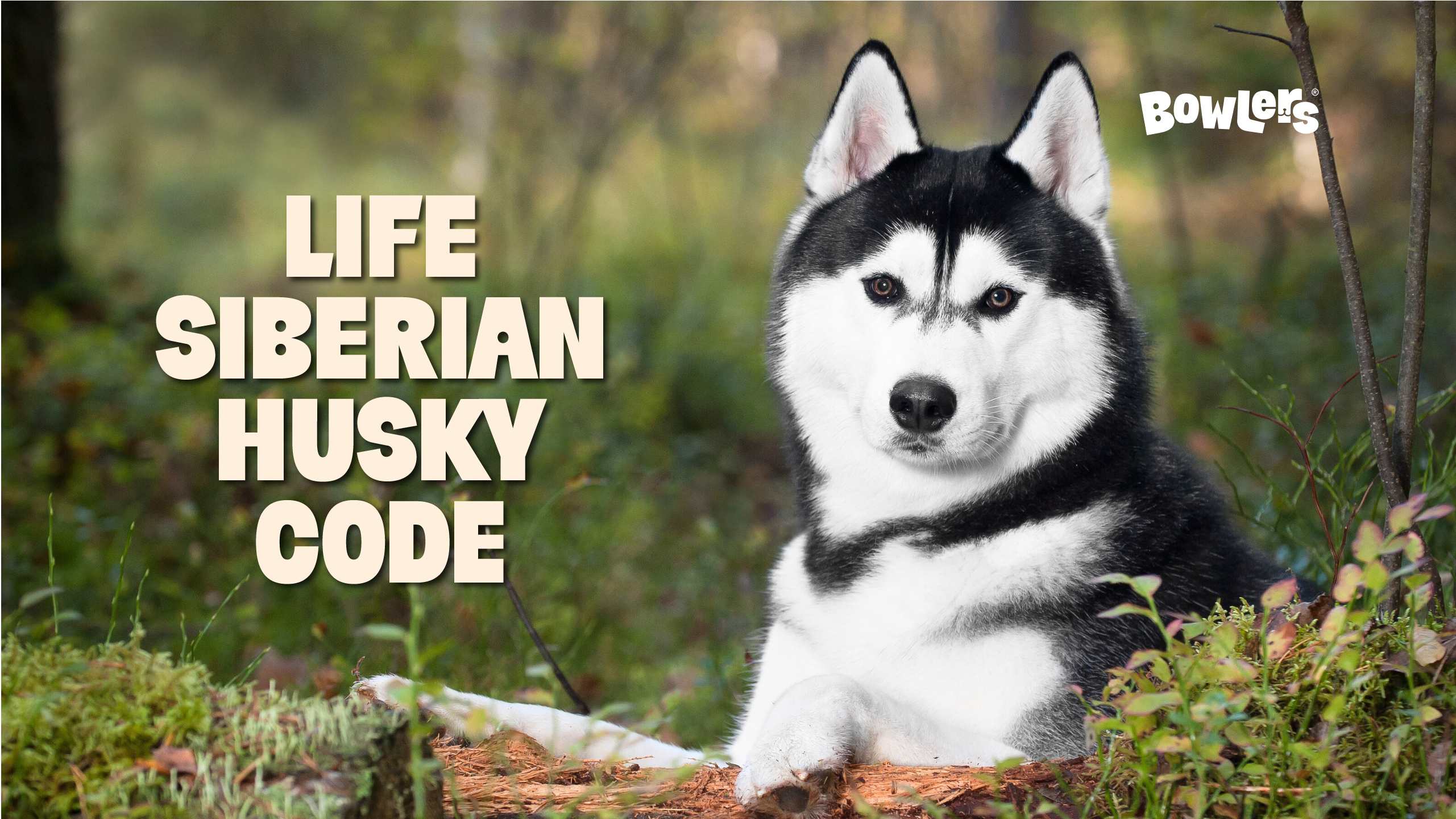
Table of contents
- 1. Husky Origins: Built for Endurance, Not Idleness
- 2. Personality: Playful, Friendly, and Strong-Willed
- 3. Exercise Needs: A Husky’s Non-Negotiable Requirement
- 4. Can Huskies Live in Apartments or Indian Climates?
- 5. Nutrition: Fueling an Active Breed
- 6. Grooming Needs: The Reality of the Husky Coat
- 7. Training a Husky: Smart but Selectively Obedient
- 8. Health Considerations to Watch For
- 9. Is a Husky Right for Your Family?
- 🐕 Frequently Asked Questions About Husky
Striking blue eyes, a wolf-like appearance, and boundless energy the Siberian Husky is one of the most visually captivating dog breeds in the world.
Originally bred to survive harsh Arctic climates and pull sleds across frozen landscapes, Huskies are intelligent, independent, and incredibly athletic. Today, they’re admired not just for their looks, but for their playful spirit and strong bond with humans.
As part of Bowlers’ series on Popular Dog Breeds and Their Unique Characteristics, this guide dives into the Husky’s temperament, exercise requirements, grooming needs, health considerations, and whether this high-energy breed fits into modern Indian homes. We’ll also draw natural comparisons with breeds like the Labrador Retriever, German Shepherd, Golden Retriever, French Bulldog, and Beagle to help dog parents choose wisely.
1. Husky Origins: Built for Endurance, Not Idleness
The Siberian Husky originated in Northeast Asia, bred by the Chukchi people to pull sleds over long distances in freezing temperatures. These dogs were designed for endurance, teamwork, and survival, not guarding or herding.
What this heritage means today
- Huskies have exceptional stamina
- They thrive on movement and purpose
- They are more independent thinkers than obedience-driven breeds
Unlike German Shepherds, who were bred to work closely with humans and follow commands, Huskies are problem-solvers. They’ll often ask, “Why should I?” before obeying, which makes training interesting, to say the least.
2. Personality: Playful, Friendly, and Strong-Willed
One of the biggest misconceptions about Huskies is that they are aggressive or overly dominant. In reality, they are:
- Friendly and social
Huskies love people and usually get along well with other dogs. They are far less territorial than German Shepherds and make poor guard dogs. - Playful and mischievous
Think of them as the pranksters of the dog world. They’re expressive, vocal, and known for their dramatic “talking.” - Affectionate but not clingy
Compared to Golden Retrievers or Labrador Retrievers, Huskies are slightly more independent. They enjoy companionship but also value personal space. - High prey drive
Due to their working roots, they may chase smaller animals, which is something Beagle parents may also relate to because of their hunting instincts.
3. Exercise Needs: A Husky’s Non-Negotiable Requirement
If there’s one thing every potential Husky owner must understand, it’s this:
A tired Husky is a happy Husky.
Daily activity requirements
- 90–120 minutes of exercise daily
- Long walks, jogging, hiking, or structured play
- Mental stimulation through training or puzzle games
Compared to other popular breeds:
- More demanding than Labradors and Golden Retrievers
- Far more active than French Bulldogs
- Similar endurance levels to working-line German Shepherds
Without enough activity, Huskies can become destructive: chewing furniture, digging floors, or trying to escape (they are legendary escape artists).
4. Can Huskies Live in Apartments or Indian Climates?
This is one of the most common questions dog parents ask and the answer depends entirely on commitment.
Apartment living
Huskies can live in apartments only if:
- They get sufficient outdoor exercise
- Mental stimulation is consistent
- The home is well-ventilated
Unlike compact breeds like the French Bulldog, Huskies need space to move and structured routines to burn energy.
Indian weather considerations
Huskies have thick double coats designed for cold climates. In warmer regions:
- Air circulation and cooling are essential
- Outdoor activity should be scheduled during cooler hours
- Hydration and diet quality matter even more
5. Nutrition: Fueling an Active Breed
Huskies are efficient eaters; they often eat less than expected for their size but still need high-quality nutrition to support muscle health, joints, and energy levels.
Feeding guidelines
- Protein-rich, balanced meals
- Ingredients that support joint health and coat condition
- Portion control to match activity levels
Premium pet food tailored for active breeds helps maintain stamina without unnecessary weight gain. Many dog parents today prefer to buy dog food online for consistency, quality checks, and doorstep convenience especially when managing the nutritional needs of high-energy dogs like Huskies.
6. Grooming Needs: The Reality of the Husky Coat
That beautiful Husky coat comes with responsibility.
Grooming essentials
- Brushing 3–4 times a week
- Heavy shedding during seasonal coat changes (“blowing coat”)
- Occasional baths, not frequent ones
Compared to:
- Golden Retrievers – similar shedding, longer hair
- Labradors – less intense coat maintenance
- Beagles – far lower grooming effort
Regular grooming keeps the coat healthy and helps regulate body temperature.
7. Training a Husky: Smart but Selectively Obedient
Huskies are highly intelligent but they don’t aim to please like Labradors.
Training tips
- Start early with basic obedience
- Keep sessions short and engaging
- Use positive reinforcement
- Avoid harsh correction: it tends to backfire
Consistency matters more with Huskies than with eager-to-please breeds like Golden Retrievers. Think of training as a partnership, not a command chain.
8. Health Considerations to Watch For
Huskies are generally a healthy breed, but responsible care includes awareness of potential issues:
- Hip dysplasia
- Eye conditions (cataracts, progressive retinal atrophy)
- Zinc deficiency (skin-related issues)
- Heat sensitivity
Compared to French Bulldogs, who face breathing issues, or German Shepherds, who are prone to spinal problems, Huskies have fewer structural health concerns provided exercise and diet are managed well.
9. Is a Husky Right for Your Family?
A Husky is a fantastic companion if your lifestyle matches their needs.
Ideal Husky homes:
- Active individuals or families
- Homes with time for daily exercise
- Experienced dog parents
- Cooler environments or climate-controlled homes
They may not be ideal for:
- Sedentary lifestyles
- First-time dog owners without support
- Homes where the dog is left alone for long hours
If a Husky isn’t your ideal dog, don’t worry! You can explore more about different dog breeds and their needs on our main blog.
The Siberian Husky is a beautiful, intelligent, and energetic breed that thrives with active owners who can meet its physical and mental needs. While not suited for every household, Huskies can be incredibly rewarding companions when cared for properly.
Understanding your lifestyle before choosing a breed ensures a happier life for both you and your dog.
🐕 Frequently Asked Questions About Husky
1. Are Huskies good family dogs?
Yes, they are friendly and playful, especially with older children.
2. Do Huskies need a lot of exercise?
Absolutely. Daily physical and mental activity is essential.
3. Can Huskies live in warm climates?
Yes, with proper care, hydration, and climate management.
4. Are Huskies easy to train?
They are intelligent but independent. Patience and consistency are key.
5. Do Huskies shed a lot?
Yes. Regular grooming is non-negotiable.