Why Dogs Tilt Their Heads: Cute Habit or Hidden Meaning?
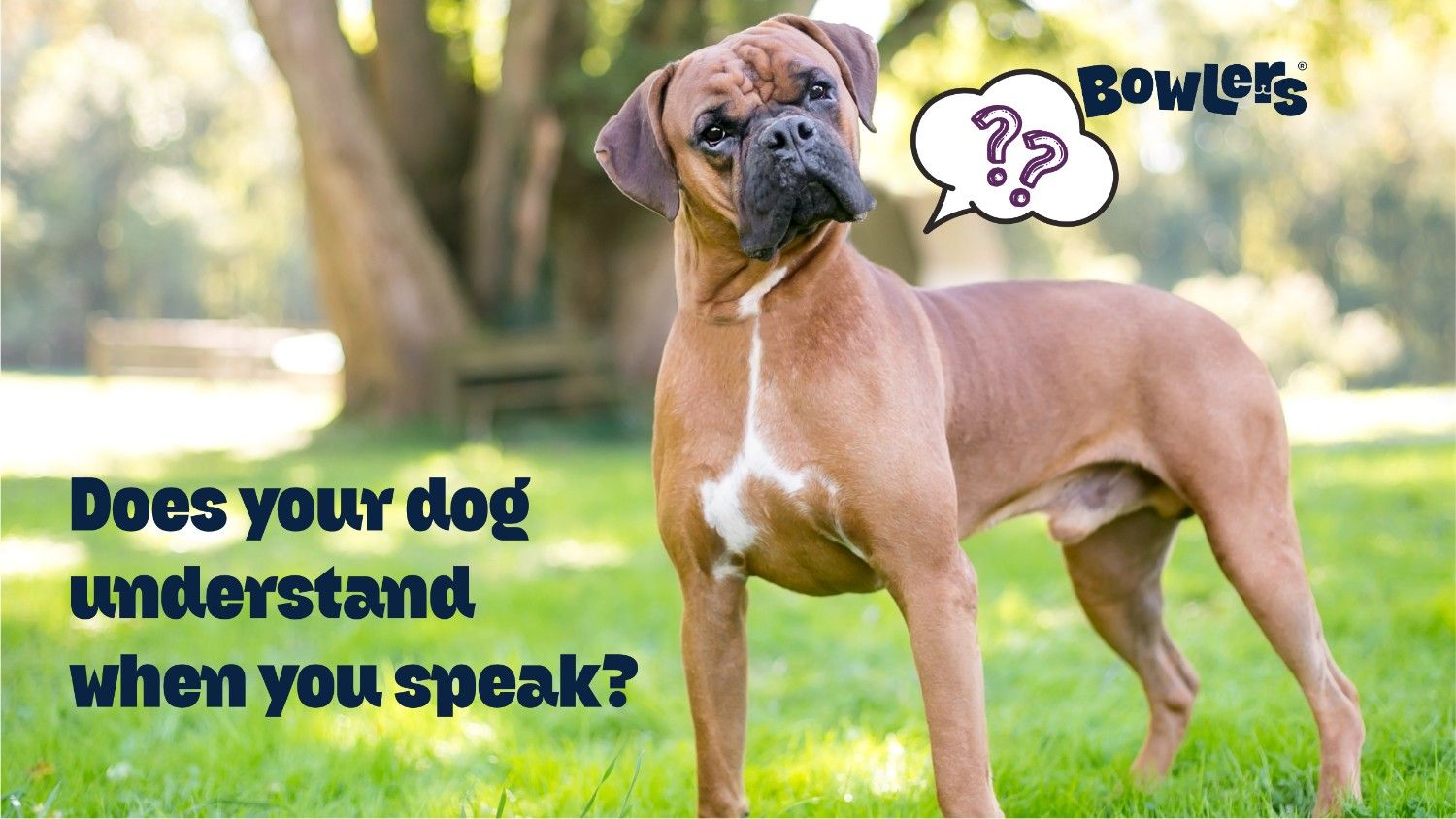
Table of contents
- Why Dogs Tilt Their Heads: The Real Reason Behind This Cute Move
- Combine Head Tilt with Other Body Language
- How You Should Respond to a Head Tilt
- FAQs: Quick Clarity for Dog Parents
- 1. Why does my dog tilt his head at certain words only?
- 2. Is head tilting always positive?
- 3. Why do some dogs tilt more than others?
- 4. Should I encourage head tilting?
- 5. Does a head tilt mean my dog understands me?
Few things warm a dog-parent’s heart like that adorable head tilt: ears perked, eyes bright, expression full of curiosity. It’s charming, funny, and deeply memorable.
But beneath the cuteness lies real communication.
Head tilting isn’t just a sweet quirk. It’s a behaviour rooted in
sensory processing, emotional perception, and understanding human signals.
Just like tail movements and eye contact, head tilt is one more piece of the communication puzzle explored in our
main article : Understanding Dog Body Language and Communication.
Today, let’s break down what that little side-angle really means.
Why Dogs Tilt Their Heads: The Real Reason Behind This Cute Move
A dog tilts its head primarily to understand better: your voice, tone, body cues, or surrounding sounds.
It shows the dog is thinking, analysing, and processing information.
This behaviour signals:
- Curiosity
- Engagement
- Focus on human speech
- Problem-solving
- Emotional connection
The more your dog listens to you with intent, the more likely you’ll see that iconic tilt.
1. Better Sound Perception
Dogs locate sound direction differently than humans.
Tilting their head helps them:
- Pinpoint where the sound is coming from
- Understand tone variations
- Filter noise out of a busy environment
This is why dogs tilt when you say words like “walk,” “treat,” or “ball,” or when they hear unfamiliar sounds.
2. Reading Facial Expressions and Body Cues
Dogs don’t just listen: they watch.
Head tilting improves their visual angle, helping them read your expressions more clearly.
They may be trying to understand:
- Are you happy or serious?
- Are you asking a question or giving a command?
- What emotional tone is in your voice?
If eye contact builds emotional trust (Section 2), head tilt is the moment they try to decode you as a whole.
3. Seeking Emotional Connection
Sometimes the tilt means:
- I’m listening to you.
- Your voice matters to me.
- I want to understand you better.
This behaviour is highest in dogs deeply bonded with their humans.
The tilt becomes a bridge of communication: a moment of mutual attention.
4. Reward-Based Behaviour
If a tilt makes you smile, pet, or praise your dog, they learn that
head tilting = attention + affection.
Dogs repeat behaviours that earn positive reactions.
Sometimes it’s simply: cute face activated for love and treats from Bowlers!
5. Confusion or Uncertainty Signals
Not all tilts mean curiosity.
| Tilt Type | What It Means |
|---|---|
| Slow tilt + relaxed body | Curious, attentive |
| Repeated tilt + stiff posture | Confused or unsure |
| Tilt + low tail or avoidance gaze | Anxiety or discomfort |
| Short tilt + bark/whine | Seeking clarification or attention |
If confusion repeats with stress cues, revisit Section 5 – Stress and Anxiety Signs.
Combine Head Tilt with Other Body Language
A head tilt alone doesn’t give the full meaning. Pair it with eyes, ears, and tail for the complete picture.
| Combined Signal | Meaning |
|---|---|
| Tilt + Soft Eyes | Loving curiosity (Refer Section 2) |
| Tilt + Tail Wag | Friendly engagement (Refer Section 1) |
| Tilt + Raised Hackles | Alert / possible threat (See Section 4) |
| Tilt + Tucked Tail | Nervous uncertainty (See Section 5) |
How You Should Respond to a Head Tilt
- Speak gently: they’re trying to learn
- Use verbal cues consistently
- Reward with praise to reinforce listening
- Avoid overstimulation if confused
You’re watching curiosity bloom in real time. Respond with love: you’re shaping communication skills for life.
FAQs: Quick Clarity for Dog Parents
1. Why does my dog tilt his head at certain words only?
Dogs recognise tone variations. Words linked to strong emotional value (walk, treat, play) often trigger tilting.
2. Is head tilting always positive?
Mostly yes, but repeated tilting with stiff body or distress may indicate confusion or anxiety.
3. Why do some dogs tilt more than others?
Intelligent, people-focused dogs show more tilt as they try to understand cues better. Personality plays a role.
4. Should I encourage head tilting?
If curiosity-driven, yes reward softly. If stress-driven, reduce pressure and provide comfort.
5. Does a head tilt mean my dog understands me?
It means they’re trying to understand, processing sound, expression, and emotion together. It’s a bonding moment.